Blade Wars: Ranking the Most Legendary anime swords Across Six Iconic Series
When it comes to the glittering world of anime, nothing cuts deeper than a well‑forged blade, and the debate over which anime swords truly reign supreme has split forums for years. Before you plunge into the rankings, swing by our comprehensive otaku hub to get a broader view of anime weaponry. Fans argue, creators respond, and merch sales skyrocket, turning swords into cultural icons. In this deep dive we’ll slice through hype, weigh lore against design, and crown the ultimate edge in six landmark series.
The recent hype around Demon Slayer‘s signature Nichirin blade illustrates how a single sword can fuel both narrative tension and massive merchandise streams, a trend explored in our analysis of the franchise’s latest film.
Cutting Through the Noise: How anime swords Shape Modern Storytelling

Rurouni Kenshin’s sakabatō as a visual shorthand
The first pillar of our ranking rests on the undeniable influence anime swords have on narrative pacing and character arcs. Take the iconic blade from Rurouni Kenshin, a weapon that mirrors the protagonist’s struggle between violence and redemption. Its design, a simple yet elegant sakabatō, became a visual shorthand for pacifism, influencing countless later series.
Bleach’s cursed sword as a plot engine
Meanwhile, the massive, cursed sword in Bleach serves as a plot engine, its ever‑changing abilities reflecting Ichigo’s evolving powers. Production studios recognize these tools as more than props; they’re storytelling devices that can dictate episode structure, merchandise strategy, and even international licensing deals.
- Over a hundred blades catalogued on the official project page
- Presence across shōnen, seinen, and slice‑of‑life titles
- Impact on merch‑driven revenue streams
Old Guard Perspective: Historical Context of Iconic Blade Legends

From samurai cinema to hybrid aesthetics
Looking back to the early 80s, swords in anime were often borrowed from samurai cinema, serving as cultural signifiers rather than original concepts. Series like Samurai Champloo re‑imagined Edo‑era weaponry with hip‑hop flair, signaling a shift toward hybrid aesthetics.
The rise of the “super‑sword” era
The 90s ushered in the “super‑sword” era, where weapons gained personalities—think Zangetsu’s sentient soul in Bleach. Studios such as Toei and Madhouse began hiring dedicated weapon designers, a trend that mirrored the rise of “mecha‑design” departments. Market shifts toward overseas streaming later forced creators to make swords visually distinct for global audiences, leading to exaggerated proportions and vibrant color palettes.
This evolution reflects broader industry patterns: from modest, story‑first designs to high‑budget, merch‑driven spectacles that dominate today’s anime economy.
Technical Crunch: Lore Mechanics and Design of the Top anime swords

Lore‑driven power systems
Beyond aesthetics, the mechanics behind each blade dictate its narrative weight. In Fate/Stay Night, the sword Excalibur isn’t merely a cutting instrument; it’s a conduit for holy energy, quantified by a “Mana” stat that directly influences battle outcomes. For fans looking to map the entire Fate timeline, our definitive Fate watch order guide offers a step‑by‑step roadmap.
Cursed designs as metaphor
Conversely, the cursed sword in Tokyo Ghoul operates on a “regeneration decay” algorithm, making it a double‑edged metaphor for the protagonist’s own humanity loss. Production designers often collaborate with mythologists to embed authentic cultural references—such as the use of the Japanese “tachi” curvature to symbolize a character’s forward‑leaning ambition.
These design choices affect animation pipelines: a blade with intricate runes demands additional key‑frame work, while a simple silhouette allows for faster turnaround. Understanding these layers reveals why certain swords become fan favorites: they blend lore depth with feasible animation execution.
Future Implications: What the Next Generation of anime swords Might Hold
Interactive and cross‑media possibilities
The trajectory of anime swords points toward an integration of digital interactivity and cross‑media storytelling. With the rise of VR concerts and AR mobile games, future blades may exist as both on‑screen assets and collectible NFTs, granting owners in‑world abilities or exclusive episode access.
Live‑rendered designs and evolving curses
Studios are already experimenting with “live‑rendered” swords that adapt their glow and texture based on viewer sentiment data collected in real time, a concept that could redefine fan engagement. Moreover, the growing appetite for darker, morally ambiguous narratives suggests upcoming swords will carry more nuanced curses—perhaps weapons that evolve based on the wielder’s choices, echoing the branching storylines of visual novels.
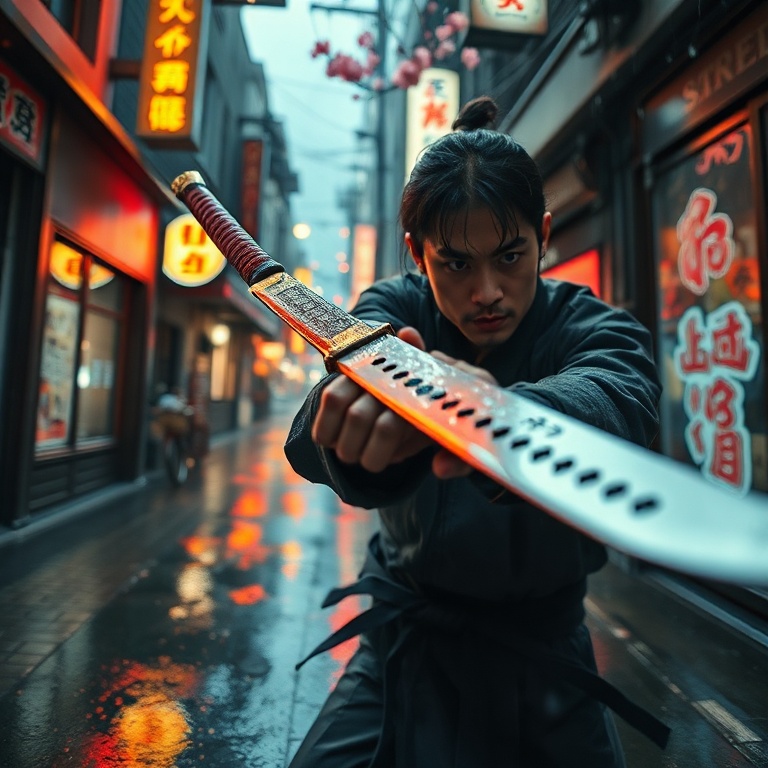
Listen, kid, the moment you start treating a sword like a fashion accessory, you’ve already lost the soul of the story. The best blades are forged in narrative fire, not just CGI budgets. If a studio can’t give you a reason to care about why that katana glints in the rain, you’re just watching a glorified commercial.
And don’t even get me started on the merch‑driven hype cycles. I’ve seen entire seasons built around a weapon that can’t even cut through a single plot hole. When the next “ultimate sword” drops, make sure it’s earned, not just slapped on for the sake of a limited‑edition figurine. That’s the only way the legacy of anime swords stays sharp.
Related Guides & Further Reading
Check out the anime swords archives.