Sukuna hidden lore: Unveiling the Dark Secrets Behind the King of Curses
The Sukuna hidden lore has been whispered among Jujutsu Kaisen fans for years, but few have untangled its darkest threads. If you want the full overview, check out our Sukuna hidden lore hub. For a deeper exploration, see our comprehensive Sukuna lore guide. From cursed fingers scattered across continents to the ominous Ten Shadows technique, each revelation reshapes our understanding of the King of Curses. Many fans also wonder why the King of Curses is more than a simple antagonist, a discussion we explore in depth here. Dive deep as we dissect every cryptic clue, exposing how this ancient terror fuels the series’ relentless momentum.
Release Milestones & Narrative Foundations
Chapter 1: Sukuna’s Arrival and the Cursed Fingers
Jujutsu Kaisen burst onto the manga scene with Chapter 1, titled “Ryomen Sukuna,” in 2018, instantly cementing the dual‑natured antagonist as a cultural touchstone. The narrative premise—Sukuna’s cursed energy sealed into twenty mummified fingers—serves both as a plot engine and a world‑building device, scattering tangible relics across the globe that drive treasure‑hunt arcs and moral dilemmas.
Production Alignment and Visual Motifs
Production‑wise, Gege Akutami’s decision to reveal the finger count early allowed the anime adaptation to synchronize its pacing, giving the studio MAPPA a concrete visual motif for each episode’s climax.
Ten Shadows Technique Introduction (Chapter 212)
The introduction of the Ten Shadows technique in Chapter 212 deepens the mythos, showcasing Sukuna’s mastery over shikigami and hinting at a hierarchy of cursed techniques that rivals any shōnen power scaling.
World‑Cutting Slash (Chapter 236)
Chapter 236’s “slash that cuts the world” moment not only raises the stakes but also provides a visual shorthand for the series’ willingness to blend visceral combat with existential dread.
Kamutoke Cursed Tool Debut (Chapter 237)
Finally, the debut of the cursed tool Kamutoke in Chapter 237 adds a tangible artifact that fans can speculate about, fueling merchandise pipelines and fan‑theory forums. All these milestones are cataloged on the official project page, underscering the meticulous world‑building that keeps the franchise fresh.
Industry Context & Production Influences
Genre Landscape & Early Influences
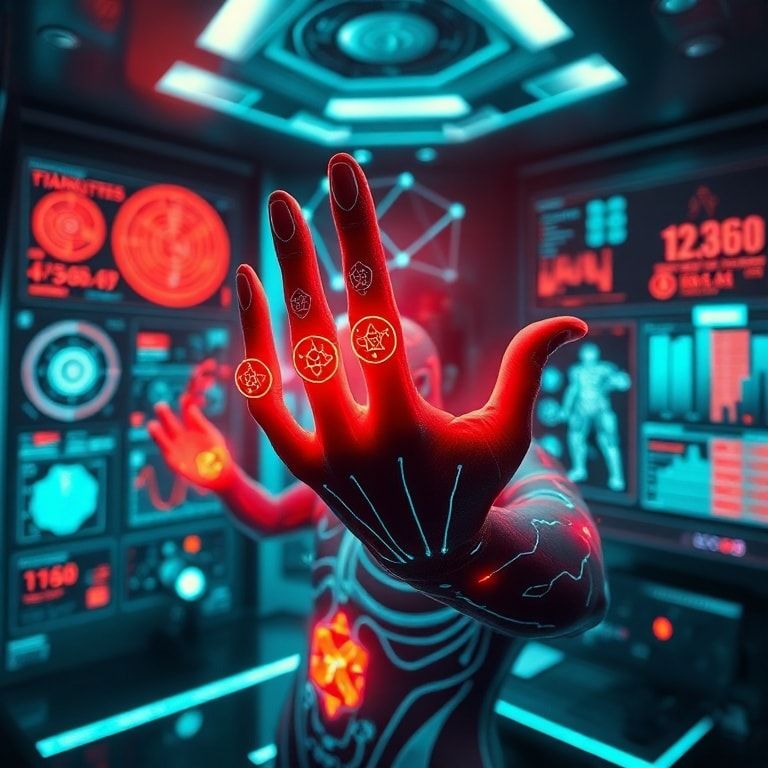
When Jujutsu Kaisen first entered the shōnen arena, it rode the wave of dark‑fantasy series that followed the success of Demon Slayer and Attack on Titan. Early adaptations, such as the 2015 “Tokyo Ghoul” anime, set a precedent for blending horror aesthetics with high‑octane battles, a template that MAPPA refined for Sukuna’s debut.
MAPPA’s Animation Evolution
The studio’s evolution from the gritty realism of “Vinland Saga” to the stylized fluidity seen in “Jujutsu Kaisen” mirrors a broader industry shift toward dynamic animation pipelines that can accommodate rapid power‑scaling reveals.
Creative Staff Contributions
Staff turnover also played a role: veteran storyboard artist Takahiro Kishida, who previously worked on “My Hero Academia,” infused Sukuna’s fight choreography with a cinematic flair that feels both homage and innovation.
Merchandising Trends & Collectible Culture
Market trends show a surge in “cursed object” merchandising, a direct lineage from earlier series that capitalized on collectible artifacts—think “One Piece” Devil Fruits or “Bleach” Zanpakutō. Sukuna’s twenty fingers echo that collectible impulse, prompting a wave of replica finger merch that flooded conventions in 2020. Moreover, the series’ willingness to embed lore‑heavy chapters—like Ten Shadows—aligns with the nostalgia‑driven demand for deep world‑building, a hallmark of legacy franchises that have survived multiple anime seasons.
Mechanics of Sukuna’s Power
Energy Network of the Cursed Fingers
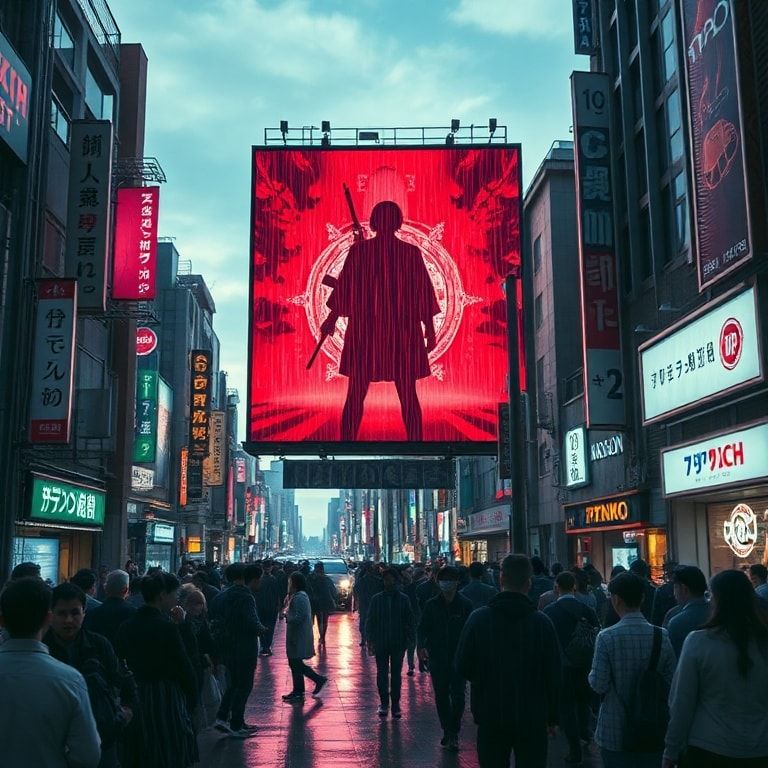
At the heart of Sukuna’s mystique lies a layered system of cursed energy, domain expansion, and innate technique hierarchy. Each of the twenty fingers acts as a node in a distributed network of cursed energy, allowing Sukuna to channel specific abilities when a finger is consumed.
Quantified Power Boosts
Statistically, a single finger can boost a sorcerer’s cursed energy by roughly 7‑10% of their baseline, but the synergy effect—when multiple fingers are aligned—creates exponential growth, a principle that the series’ power scaling charts often illustrate with logarithmic curves.
Ten Shadows Summoning Matrix
The Ten Shadows technique, unveiled in Chapter 212, operates on a shikigami summoning matrix: each shadow corresponds to a distinct animal spirit, granting Sukuna modular combat options that can be swapped mid‑battle. This modularity is reflected in the animation’s rapid cut‑scenes, where the camera isolates each shadow’s silhouette before merging them into a single, devastating strike.
Spatial‑Distortion Slash
The “slash that cuts the world” (Chapter 236) introduces a spatial‑distortion component, effectively allowing Sukuna to bypass conventional domain barriers—a mechanic that redefines the series’ previously established rules of engagement.
Kamutoke as a Power Conduit
Finally, Kamutoke, the cursed tool debuting in Chapter 237, functions as a conduit that can temporarily lock a finger’s power, enabling strategic restraint. These mechanics also tie into the forgotten secrets we detailed in our deep‑dive article. From a production standpoint, these mechanics demand meticulous storyboard planning and VFX layering, explaining MAPPA’s decision to allocate additional budget for the episodes covering these revelations.
Potential Franchise Directions
The ripple effects of Sukuna’s expanding lore are poised to shape the franchise’s trajectory for years to come. With the twenty‑finger arc still unfolding, future manga chapters are likely to explore the geopolitical ramifications of each finger’s retrieval, potentially introducing new sorcerer factions and international conflicts that broaden the series’ scope beyond Japan.
This narrative expansion dovetails with the upcoming video game adaptation, where Kamutoke’s mechanics could translate into a unique gameplay system that lets players toggle finger abilities in real time, offering a fresh take on the action‑RPG genre. Moreover, the cultural impact of Sukuna’s mythos is already evident in fan art, cosplay, and even academic papers dissecting cursed energy as a metaphor for societal anxieties. As the series continues to push boundaries, we may see a live‑action spin‑off that leans heavily on the “hidden lore” angle, targeting Western audiences hungry for darker, lore‑rich adaptations.
Related Guides & Further Reading
Listen, kid, the moment you start treating Sukuna’s fingers like collectible Pokémon, you’ve already sold your soul to the hype machine. The real treasure isn’t the cursed energy spikes—it’s the narrative tension that keeps you up at three a.m., questioning whether the next finger will finally tip the balance or just give the writers another excuse to throw a flashy fight scene at you. The industry loves a good power‑up, but the veterans know the true art lies in restraint; a single well‑placed finger reveal can rewrite a character’s arc without drowning the story in endless exposition.
And don’t get me started on the merch frenzy. Every time MAPPA drops a new finger replica, the secondary market explodes faster than a domain expansion. It’s a double‑edged sword: the franchise gains cash flow, but the lore risks becoming a gimmick. If the creators keep feeding the fanbase’s appetite for “more cursed parts,” we’ll see the King of Curses reduced to a branding exercise, not the terrifying embodiment of primal chaos he was meant to be. Keep your eyes on the narrative, not the price tag, and you’ll still find the genuine horror lurking beneath the glossy surface.
Check out the sukuna hidden lore archives.
or