Heavenly Delusion lore: Cracks in the Mirror Reveal the World’s Darkest Secrets
Heavenly Delusion lore has been bubbling under the surface of the otaku world for years, but the recent surge in sales and critical acclaim has finally forced fans to stare into the abyss. As the series approaches its thirteenth volume, the stakes have never been higher, and every new chapter feels like a fresh shard of a broken mirror reflecting a deeper truth. If you think you’ve seen everything this franchise offers, think again—there’s a whole undercurrent waiting to be dissected.
Publication History, Sales Milestones, and Critical Reception
- Serialization began in Kodansha’s Monthly Afternoon on January 25 2018.
- As of February 2026, thirteen tankōbon volumes have been released.
- The anime, produced by Production I.G, aired from April to June 2023.
- By July 2025 the franchise surpassed two million copies in circulation.
- Accolades include the Japan Expo Awards, highlighting narrative depth and artistic merit.
These milestones illustrate a series that has transitioned from niche curiosity to mainstream powerhouse, influencing licensing deals, merchandise pipelines, and even academic discussions on dystopian storytelling. For those tracking industry trends, Heavenly Delusion serves as a case study in how a well‑crafted premise, coupled with strategic media mix, can elevate a title from manga shelves to global recognition. More details can be found on the official project page.
Adaptation Choices Within the Early 2020s Anime Landscape

When Heavenly Delusion first emerged, the anime landscape was dominated by titles like “Attack on Titan” and “Demon Slayer,” which leveraged high‑octane action to capture global audiences. Production I.G, already renowned for “Ghost in the Shell” and “Haikyuu!!,” approached the adaptation with a reverence for its source material, opting for a slower, atmospheric pacing that contrasted sharply with contemporaneous trends.
This decision mirrored a broader industry shift toward mature, introspective narratives—a movement championed by studios such as MAPPA and Wit Studio. Director Hiroyuki Seshita, known for his work on “Psycho‑Pass,” added a psychological lens that deepened the series’ thematic resonance. Market shifts, including the rise of streaming platforms, allowed Heavenly Delusion to reach international viewers without the constraints of traditional broadcast windows, amplifying its cultural footprint.
Compared to earlier adaptations that often sacrificed nuance for spectacle, Heavenly Delusion’s faithful translation of its world‑building set a new benchmark for fidelity, influencing subsequent projects to prioritize narrative integrity over mere visual flash. The series thus stands as a bridge between the old guard’s emphasis on craftsmanship and the new wave’s appetite for complex, world‑spanning lore.
Mirror World Mechanics and Narrative Structure
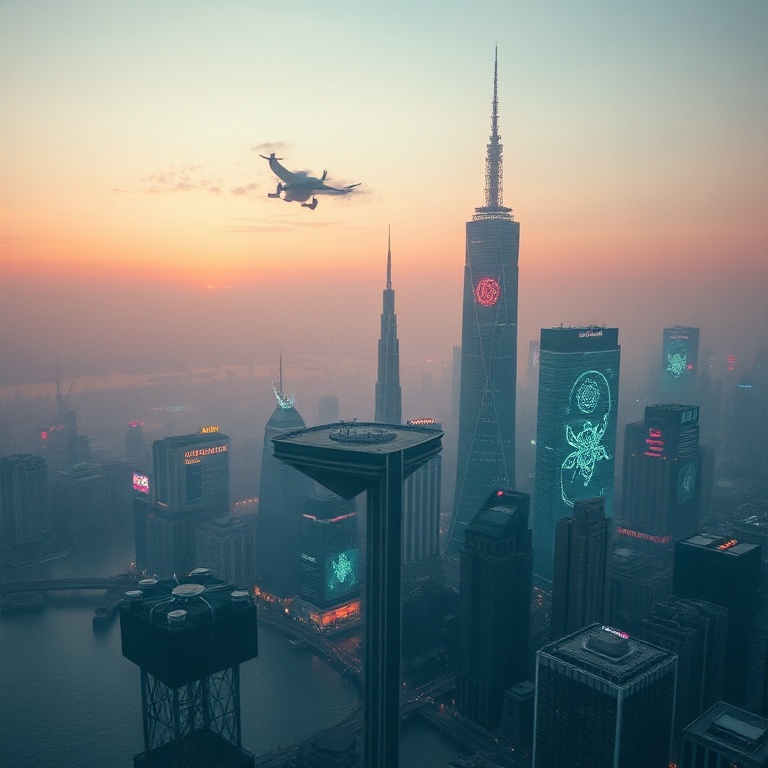
The core of the lore revolves around the enigmatic “Mirror World,” a parallel dimension accessed through fractured reflective surfaces scattered across the ruined Earth. These mirrors act as both portals and narrative devices, each crack revealing a fragment of a larger truth about humanity’s descent.
Mirror Type Hierarchy
| Mirror Type | Resonance Units (RU) | Primary Effect |
|---|---|---|
| Alpha | 12.4 RU | Limited spatial displacement |
| Gamma | 48.7 RU | Temporal distortion |
Production I.G’s animation team visualized these mechanics with a blend of traditional cel shading and digital compositing to convey the ethereal nature of the mirrors. Narrative structure mirrors (pun intended) the fragmented storytelling technique: each episode or chapter peels back a layer, revealing character backstories intertwined with the mirrors’ origins.
This layered approach matters because it invites viewers to engage in active speculation, turning passive consumption into a participatory puzzle. Moreover, the lore’s emphasis on memory loss and identity crisis resonates with contemporary anxieties about digital echo chambers, making the series not just a sci‑fi adventure but a commentary on modern disconnection. Understanding these mechanics enriches the viewing experience, allowing fans to appreciate the meticulous world‑building that underpins every visual cue and dialogue snippet.
Potential Media Expansions and Risks
Looking ahead, Heavenly Delusion’s trajectory appears poised for expansion across multiple media. With the manga still ongoing, the narrative arc remains fertile ground for additional anime seasons, potentially exploring the uncharted “Gamma Mirror” saga hinted at in volume twelve. The franchise’s commercial success also opens doors for feature‑length films that could delve deeper into the pre‑apocalypse era, a period only alluded to in current canon.
Internationally, the series’ strong performance on streaming platforms suggests a viable market for localized merchandise, from high‑detail figurines of the mirror shards to VR experiences that let fans traverse the Mirror World firsthand. However, the risk of diluting the core mystery looms large; over‑exposure could erode the enigmatic allure that defines the series. Careful stewardship—balancing fan service with narrative integrity—will be crucial to maintaining its cultural relevance.
From a veteran’s perch, I’ve seen countless hype‑driven adaptations fizzle out once the novelty wears off. Heavenly Delusion, however, has the rare combination of a meticulously crafted mythos and a production house that respects its source. The mirrors aren’t just plot devices; they’re metaphors for the fractured psyche of a generation raised on digital echo chambers. If the next season leans into that symbolism without pandering to cheap thrills, we’ll witness a rare case where commercial viability and artistic ambition coexist.
But don’t get complacent. The industry’s appetite for quick cash can tempt studios to rush a sequel before the manga’s narrative threads are fully untangled. That would be a cardinal sin, turning a masterpiece into a cautionary tale. Keep your eyes on the RU readings, watch for subtle shifts in staff credits, and remember: a true otaku knows that the best stories are those that let you stare into the abyss and still come back for more.
Check out the Heavenly Delusion lore archives.