Nostrils of Destiny: How Anime Nose Evolution Redefined Iconic Heroes
When you glance at a shōnen hero’s profile, the shape of his nose can betray more than just artistic whimsy—it’s a silent storyteller of era and audience. The anime nose evolution tracks shifting cultural tastes, studio budgets, and even political undercurrents. Ignoring these subtle curves means missing the hidden code that defines a generation.
Early Experimentation and the Shift to Digital Shading
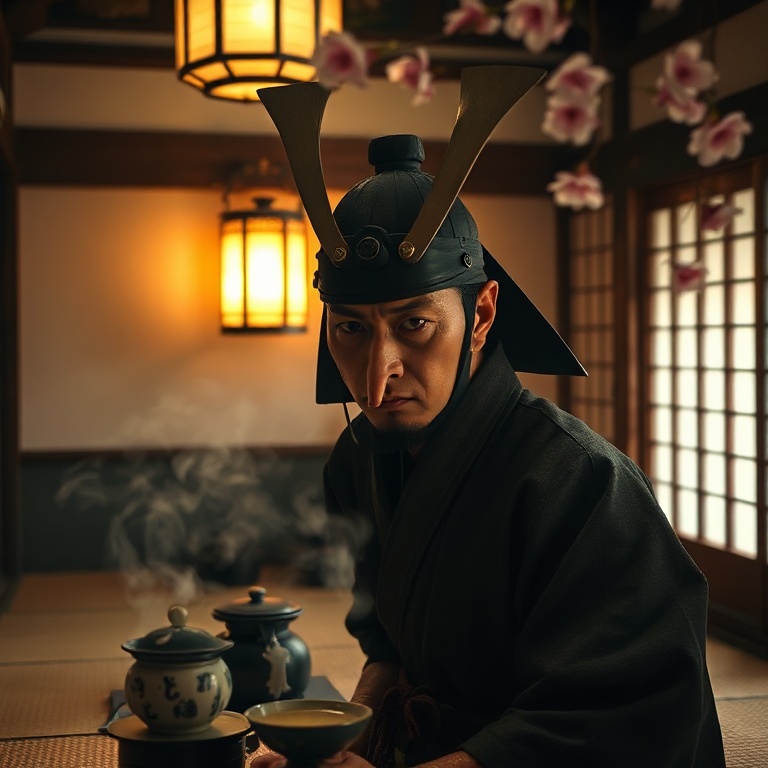
The modern discourse on character aesthetics often cites the Wikipedia entry on official project page as a foundational reference. Within that article, the evolution of facial features—particularly noses—emerges as a barometer of industry shifts.
Late‑1990s: Angular Designs for Hyper‑Energy
- Studios such as Gainax experimented with exaggerated, angular noses to convey hyper‑energy, a shift detailed in our trend analysis of nose evolution.
- These sharp silhouettes served as visual shortcuts for action‑driven narratives.
Early‑2000s: Rounded Profiles Enabled by Digital Tools
- Digital coloring tools allowed subtler shading, prompting a pivot toward softer, rounded noses.
- Budget reallocations funded more nuanced key frames, reducing reliance on stark silhouette cues.
- Global streaming platforms encouraged cross‑cultural readability; a pronounced, cartoonish nose that reads well on a 4:3 CRT may appear garish on a 16:9 HD display.
Consequently, the nose became a strategic design element, balancing iconic recognizability against the desire for realism. Understanding this context clarifies why certain franchises rebooted with altered nasal structures, signaling both a homage to legacy and an adaptation to contemporary visual standards.
Classic Series: Nostalgic Nostrils and Cultural Signifiers
Looking back at the golden age of anime—think 1970s mecha and 1980s shōjo—noses served as cultural signifiers.
| Series / Genre | Nose Style | Interpretation |
|---|---|---|
| “Mobile Suit Gundam” (1970s mecha) | Pronounced, triangular | Rugged masculinity echoing post‑war Japanese cinema |
| “The Rose of Versailles” (1980s shōjo) | Delicate, button‑like | Western aristocratic aesthetics romanticized during Japan’s economic boom |
Studio staff turnover also played a role; veteran character designers like Yoshiyuki Sadamoto carried over their hand‑drawn sensibilities, while younger artists introduced sharper, more angular features influenced by Western comic books. Market shifts, such as the 1985 OVA boom, demanded eye‑catching designs for limited‑run releases, prompting studios to exaggerate noses for instant visual impact on crowded VHS shelves. These decisions mirrored Japan’s own grappling with identity, oscillating between traditional values and rapid modernization.
Production Techniques: Anatomy, Rigging, and Viewer Perception

2D Rigging Considerations
- The nose often anchors the facial rig; a longer bridge provides a clear pivot for eye‑line shifts.
- A flatter bridge simplifies lip‑sync overlays.
- Tools like Toon Boom Harmony let animators isolate the nasal region and apply gradient layers that react to lighting, essential for dramatic backlighting.
3D Mesh and Displacement
- Studios map high‑resolution meshes onto the nose, using displacement maps to simulate pores and cartilage.
- This detail becomes crucial for close‑up emotional beats.
Camera Angle Effects
- Low‑angle shots exaggerate length, suggesting authority.
- High‑angle shots compress the nose, conveying vulnerability.
Psychological Associations
- Research shows viewers subconsciously link sharper noses with antagonism and rounded noses with approachability, a dynamic explored in depth in why nose design acts as a secret weapon.
- Designers manipulate nasal geometry to steer emotional responses, making the nose a covert narrative device.
Emerging Trends and Future Directions for Anime Nose Design
AI‑Generated Defaults
As AI‑driven character generators become mainstream, algorithms trained on decades of visual data may default to the most statistically “successful” nose shapes—potentially homogenizing designs unless deliberately curated.
VR‑Ready Facial Fidelity
The rise of virtual reality storytelling demands three‑dimensional facial fidelity; noses will need to convey depth cues that translate across head‑mounted displays, prompting studios to invest in motion‑capture rigs that capture subtle nasal movements during speech.
Global Representation
Global fanbases are urging greater representation, encouraging creators to experiment with diverse nasal features reflecting different ethnicities. This diversification could spawn new sub‑genres where nose design becomes a cultural identifier, much like hair color does today.
Industry Insider’s Take on Nose Design
Listen, kid—if you think the next big plot twist is a new power‑up, you’re missing the point. The real power‑up is the nose you draw. A well‑placed bridge can make a protagonist feel like a seasoned veteran, while a stubby, cute button‑nose can turn a side‑kick into a meme‑machine overnight. Studios that ignore this subtle weapon are like samurais fighting with wooden swords; they look the part but lack the cutting edge.
My two decades on the road taught me that trends come and go, but the nose? That’s the silent contract between creator and viewer. When a franchise decides to “modernize” its lead, the first thing they tweak is the nasal silhouette—because it’s the quickest way to signal change without rewriting the script. So, keep your eyes on the bridge, not just the battle. The future of anime will be decided in the space between the eyes, and that space starts with a well‑drawn nose.
Related Guides & Further Reading
Check out the anime nose evolution archives.