Why Trunks Kyle Reese Parallels Reveal Dragon Ball’s Secret Terminator Blueprint
When you first hear the phrase Trunks Kyle Reese, you might think it’s fan‑made mash‑up, but the parallels are baked into the very DNA of DBZ’s Android Saga. The stakes are sky‑high: a future devastated by machines, a lone warrior racing back to rewrite history. And just like the original Terminator, the timeline itself becomes a battlefield.
Verified News & Source Context: The Terminator Blueprint in DBZ
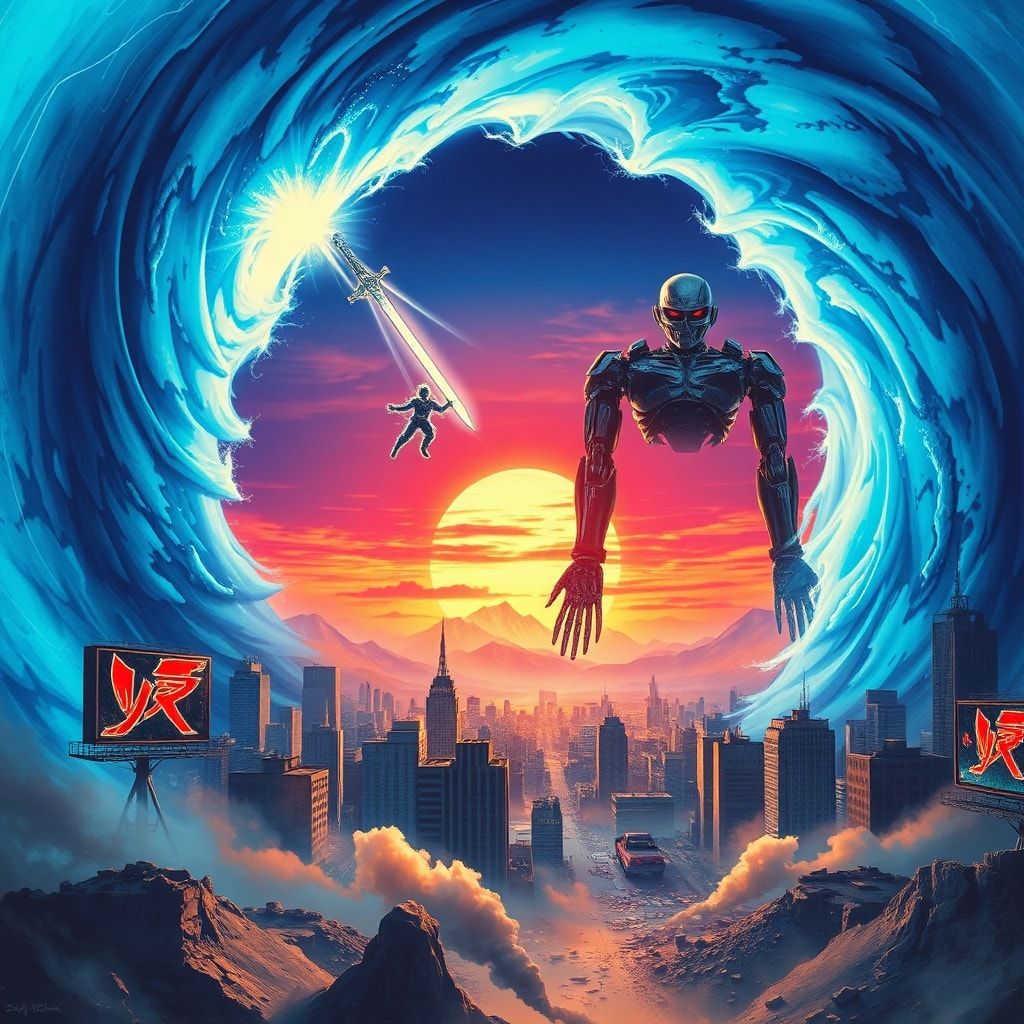
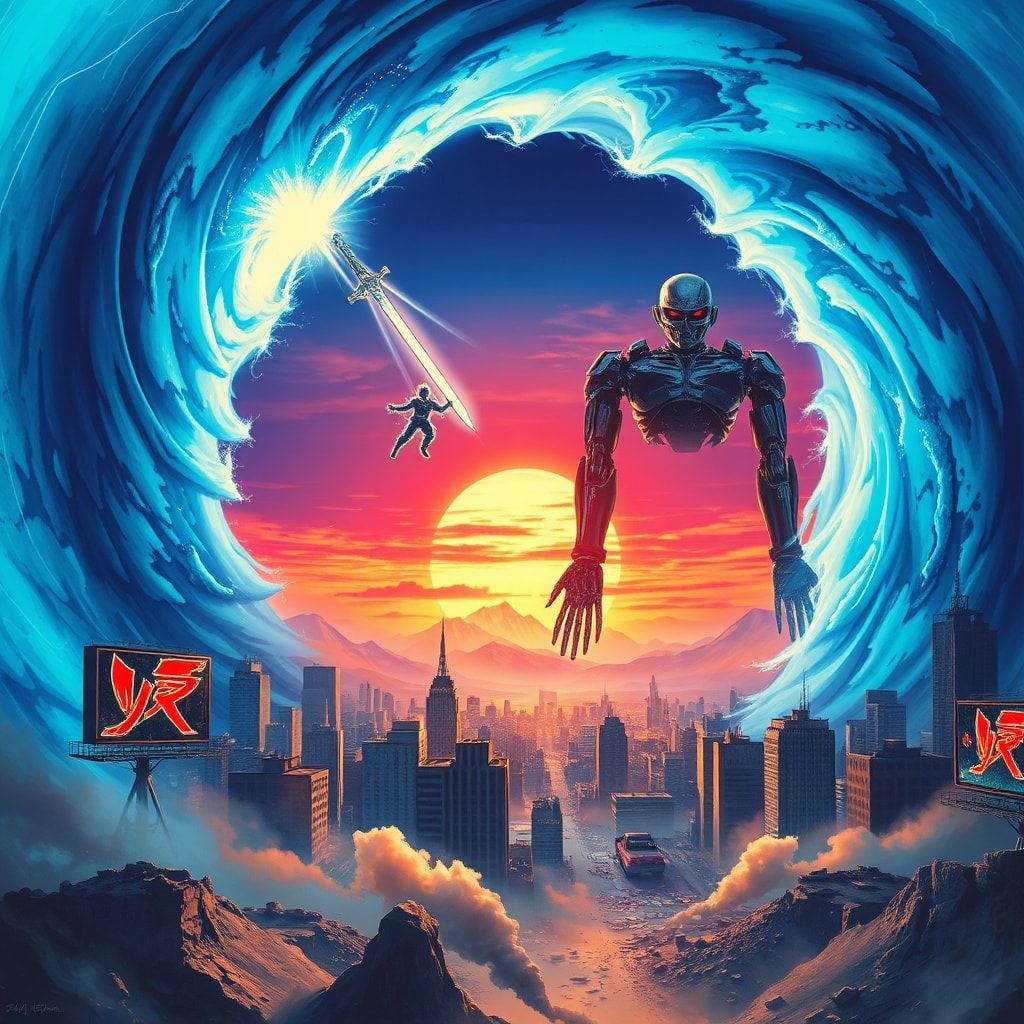
Akira Toriyama has openly admitted that the Android arc (episodes 126‑139) was deliberately modeled on James Cameron’s Terminator franchise. The premise—future hero travels back to stop a robotic apocalypse—mirrors Kyle Reese’s mission to protect Sarah Connor. This isn’t a vague inspiration; the in‑anime date of the Android attack, May 12, aligns perfectly with the date of the robot invasion in the 1984 film, a detail that only a die‑hard lore‑hunter would spot.
Production notes from Toei Animation reveal that storyboard artist Shigeyasu Yamauchi was tasked with “infusing a sci‑fi time‑warrior vibe” into Trunks’ debut. The result is a character whose design—spiky hair, battle‑worn coat, and a sword that glows like a plasma blade—evokes the gritty aesthetic of a post‑apocalyptic soldier. Moreover, Android 16’s cold, single‑minded pursuit of Goku is a direct nod to Arnold Schwarzenegger’s T‑800, reinforced by the Funimation dub giving him an Austrian accent that screams “I’ll be back.”
Even earlier, episode 36’s Major Metallitron was a visual parody of the T‑800, complete with the line “I’ll be back,” cementing the franchise’s love affair with Hollywood. For further reading, see the official project page which catalogs every cinematic wink.
Old Guard Perspective: Time‑Travel Tropes Before Trunks
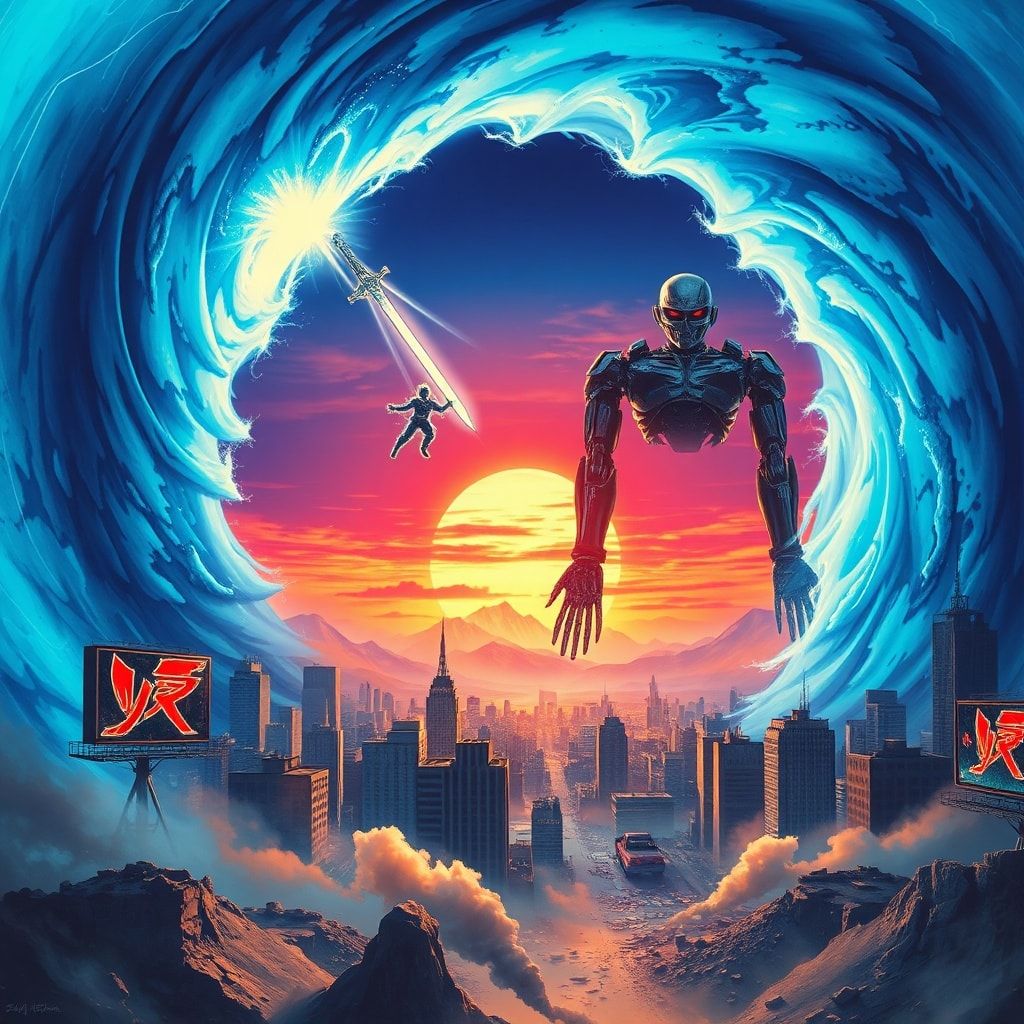
Before DBZ embraced Terminator‑style storytelling, the anime industry flirted with time‑travel in more whimsical ways—think “Urusei Yatsura”’s accidental jumps or “Nausicaä”’s post‑apocalyptic flashbacks. Those early experiments were often episodic, lacking the high‑stakes, world‑ending urgency that defines Trunks’ quest. The shift mirrors a broader studio trend in the late ’80s and early ’90s, where Japanese creators began to absorb Western blockbuster DNA to appeal to a global market.
Studio Ghibli’s “Laputa” hinted at technology run amok, but it never framed a lone hero as a temporal savior. In contrast, the 1990s saw a surge of “hero‑from‑the‑future” narratives across manga, driven by the success of Western sci‑fi imports. Toriyama’s decision to embed a Terminator homage signaled a strategic pivot: align DBZ’s mythos with a universally recognizable conflict—human versus machine—thereby widening its export potential.
Staff evolution also played a role. Younger assistants, raised on both anime and Hollywood action, pushed for cross‑cultural Easter eggs. This generational blend birthed a hybrid aesthetic that feels simultaneously Japanese in its energy and Western in its dystopian gravitas, a formula that has become a hallmark of modern shōnen epics.
Technical Crunch: Trunks Kyle Reese – Narrative Mechanics Unveiled
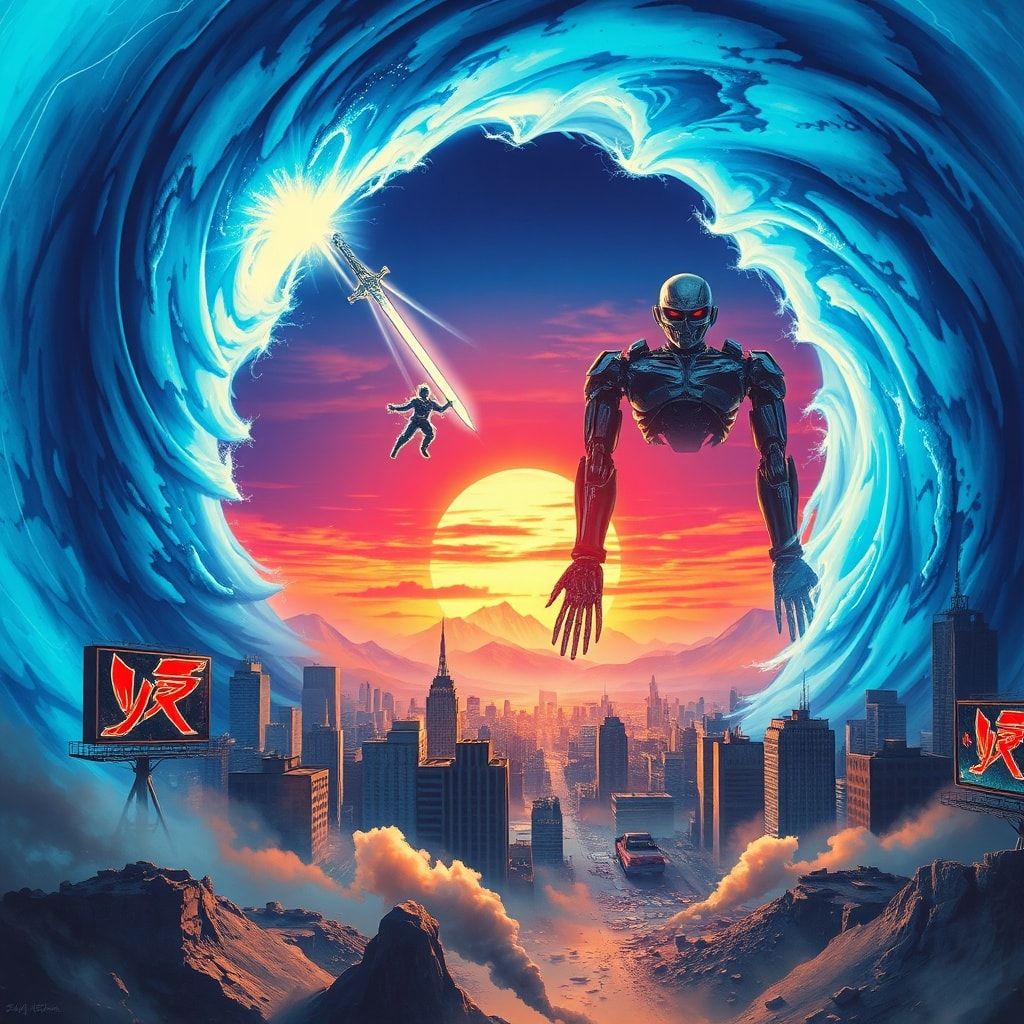
At a structural level, Trunks’ arc mirrors Kyle Reese’s in three key mechanics: causality loop, sacrificial catalyst, and paradoxical rescue. First, the causality loop: Trunks’ very existence hinges on his own victory over the Androids, just as Reese’s actions ensure the birth of John Connor. The script subtly embeds this loop through flash‑forwards that show Trunks’ mother, Bulma, receiving a warning from future‑self, echoing the film’s “future war” briefing.
Second, the sacrificial catalyst: both protagonists willingly expose themselves to a hostile timeline, knowing they may die. Trunks’ battle with Cell’s predecessor, Android 19, is a direct analog to Reese’s firefight in the police station—each fight is a desperate bid to buy time for the future. This narrative choice amplifies emotional stakes, turning a power‑level showdown into a moral crucible.
Third, the paradoxical rescue: just as Reese protects Sarah, ensuring the eventual creation of the resistance, Trunks safeguards Gohan’s training, indirectly preserving the line of defense against the Androids. The series even uses visual motifs—mirrored silhouettes, overlapping timelines—to reinforce the paradox theme, a design decision that elevates the arc from simple action to a study in deterministic storytelling.
Future Implications: What the Homage Means for the Next Generation
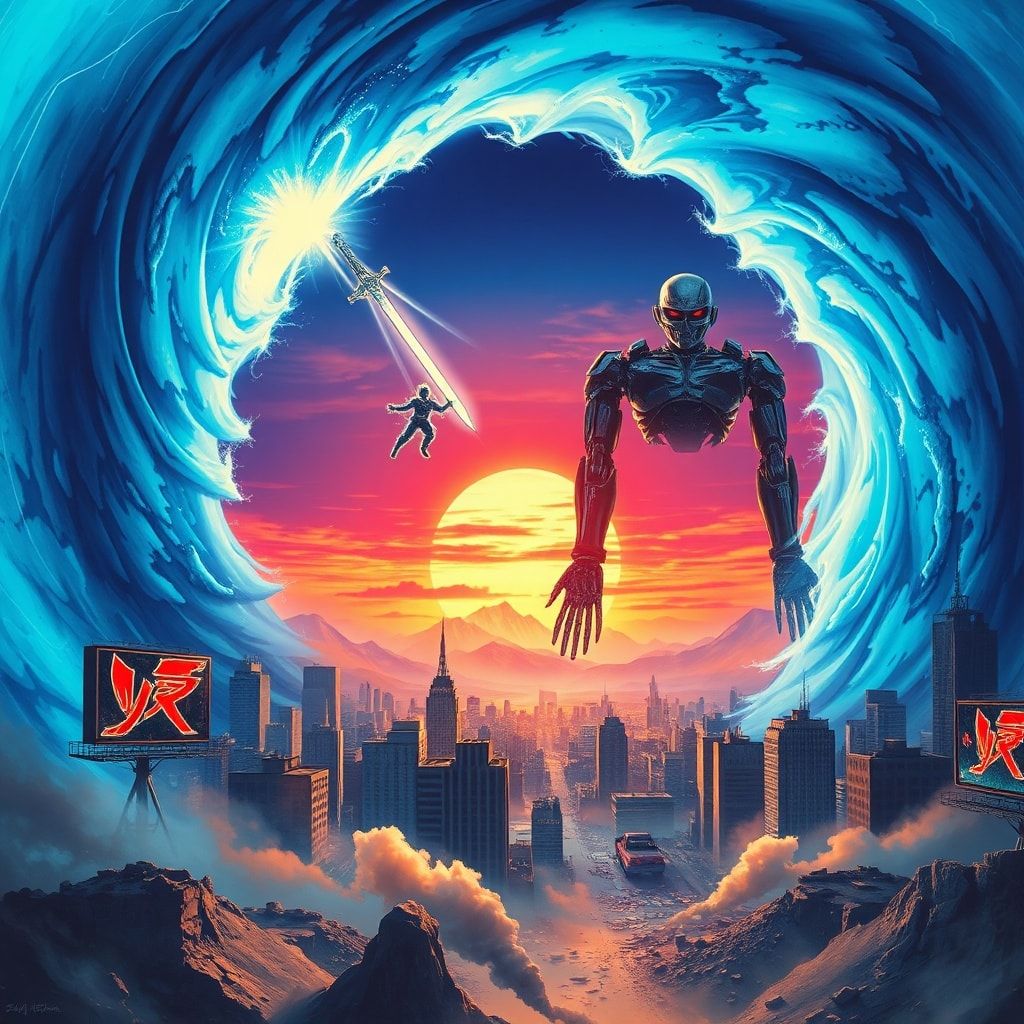
The Terminator homage is more than a nostalgic wink; it sets a template for future cross‑media integration. As streaming platforms push for globally resonant content, studios may deliberately embed recognizable Western tropes into shōnen narratives to capture broader audiences. We can already see this in “Dragon Ball Super”’s multiverse arcs, where time‑travel mechanics become increasingly complex, hinting at potential collaborations with Hollywood sci‑fi franchises.
Moreover, the cultural cachet of a “Trunks Kyle Reese” archetype empowers creators to explore darker, more morally ambiguous heroes. Future DBZ spin‑offs could feature protagonists who, like Reese, are defined by their willingness to become expendable tools of destiny, opening doors for more mature storytelling within the franchise.
Listen up, fresh‑out‑of‑the‑anime‑school kids: the moment you think a shōnen fight is just about power levels, you’re missing the whole damn point. Toriyama slipped a Terminator cheat code into the script, and anyone who’s watched both movies knows that’s a masterstroke of genre‑bending. It’s not just a nod; it’s a blueprint for how Japanese creators can hijack Western mythos and make it their own, turning a robotic apocalypse into a personal vendetta that feels as intimate as a family dinner.
And here’s the kicker for the next wave of otaku nomads: if you can’t spot the May 12 date alignment or the Austrian‑accented Android 16, you’re not digging deep enough. The industry is leaning into these cross‑cultural Easter eggs to keep the franchise relevant in a world where memes travel faster than a Super Saiyan’s hair. So, keep your eyes peeled, your references sharp, and remember—every time Trunks steps out of that time‑rift, he’s not just saving the world; he’s reminding us that the future is a remix of everything that came before.
Check out the Trunks archives.