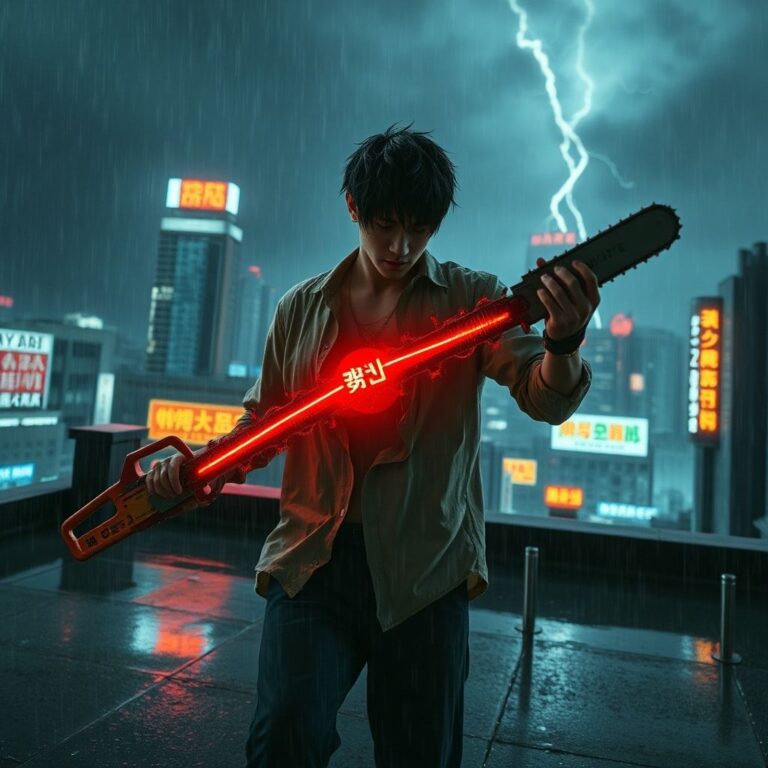
Why chuunibyou slice life Anime Are the Underrated Gems of 2026
If you think chuunibyou slice life stories are just teenage whimsy, think again. The genre blends earnest everyday moments with flamboyant delusions, creating a tension that mirrors real adolescent identity crises. Missing out means ignoring a cultural wave that’s reshaping modern anime storytelling.
Early Works that Laid the Foundations

Before “Love, Chunibyo & Other Delusions,” the chuunibyou trope lingered in the shadows of more conventional high‑school comedies. Early examples like “Sakurasou no Pet na Kanojo” hinted at characters adopting grandiose personas, but they remained peripheral.
The real turning point arrived with Kyoto Animation’s 2009 OVA “K‑On!” where a minor character’s exaggerated self‑image foreshadowed a broader appetite for delusional heroism. Simultaneously, the light novel market saw a surge in titles that glorified internal fantasy worlds, supplying studios with ready‑made source material.
By the early 2010s, production committees recognized the commercial viability of pairing slice‑of‑life settings—high school clubs, everyday errands—with the flamboyant, often comedic, self‑delusion of chuunibyou protagonists. This synergy attracted both the “cute girls doing cute things” demographic and older teens craving meta‑commentary on adolescence.
The success of “Love, Chunibyo & Other Delusions” validated the hybrid model, prompting series like “The Disastrous Life of Saiki K.” and “Rascal Does Not Dream of Bunny Girl Senpai” to experiment with similar tonal blends. Merchandising also adapted: figurines now sport both mundane school uniforms and the over‑the‑top armor of imagined alter‑egos, reflecting a market that embraces dual identities.
Case Study: Love, Chunibyo & Other Delusions (2012‑2014)

The series “Love, Chunibyo & Other Delusions” (“Chuunibyo demo Koi ga Shitai!” in Japanese) became a benchmark for the sub‑genre.
| Aspect | Details |
|---|---|
| Airing period | October 4 2012 – March 26 2014 (two seasons, 24 episodes + 2 OVAs) |
| Episode length | 24 minutes each, allowing concise storytelling and comedic timing |
| Director | Tatsuya Ishihara (known for “The Melancholy of Haruhi Suzumiya”) |
| Writer | Jukki Hanada (credits include “Steins;Gate” and “Violet Evergarden”) |
| Opening themes | Zaq’s “Sparkling Daydream” (season 1) and “Voice” (season 2) |
| Studio | Kyoto Animation – praised for meticulous animation and subtle emotional cues |
For the full official details, visit the official project page.
How Chuunibyou Slice‑Life Marries Reality and Fantasy
Delusion Framing and Visual Cues
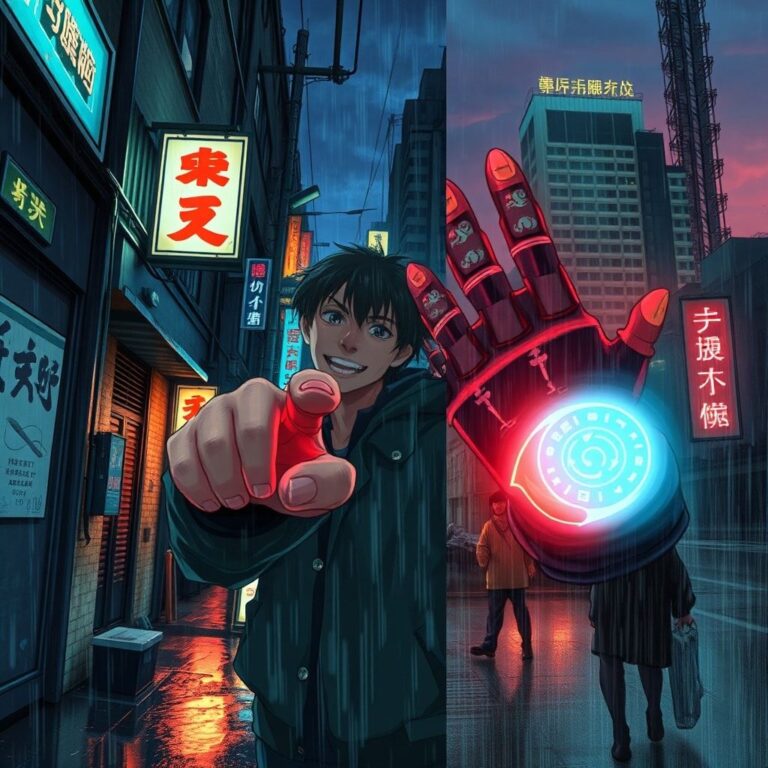
The series employs glowing auras, stylized text, and exaggerated sound effects to externalize a character’s internal monologue, turning subjective delusion into an objective cinematic language. This “delusion framing” lets viewers experience imagined powers without breaking the grounded setting.
Episode Rhythm and Color Palette
Statistically, episodes allocate roughly 60 % screen time to mundane interactions (classroom banter, club activities) and 40 % to fantasy interludes, maintaining pacing while satisfying the audience’s craving for spectacle. Production design reinforces the balance: muted earth tones dominate everyday scenes, while saturated neons signal delusional sequences.
Production Techniques
Kyoto Animation’s layered animation cells enable seamless blending of the two realms. Sound design mixes diegetic school ambience with non‑diegetic synth motifs, creating an auditory metaphor for the protagonist’s inner turbulence.
Emerging Trends and Future Directions
Higher‑Budget Visual Experiments
Streaming platforms have shown willingness to fund niche sub‑genres, opening the possibility for immersive sequences—potentially integrating VR‑style elements or interactive episode structures.
Genre Hybrids and Cross‑Media Potential
Growing global appetite for meta‑narratives suggests future series could blend chuunibyou tropes with sci‑fi mecha, historical drama, or other genres, creating hybrid experiences that attract broader demographics.
Cultural Ripple Effects
The archetype continues to influence fashion, music, and internet memes, reinforcing its status as a touchstone of modern otaku identity. As the line between online persona and offline self blurs, chuunibyou slice life may evolve into commentary on digital self‑construction, offering fresh thematic ground for creators.
Critical Perspective on Execution
And let’s be real: the market’s saturated with half‑baked attempts that mimic the surface aesthetics without grasping the psychological nuance. Those titles end up as forgettable filler, while the true gems—like the series we dissected—continue to inspire fan‑art, cosplay, and even academic papers on adolescent identity formation. If you’re hunting for the next big thing, skip the noise and study the mechanics we just broke down. The future belongs to creators who can balance the flamboyant with the heartfelt, not those who merely chase the next viral meme.
Check out the chuunibyou archives.
Check out the chuunibyou archives.
or
or