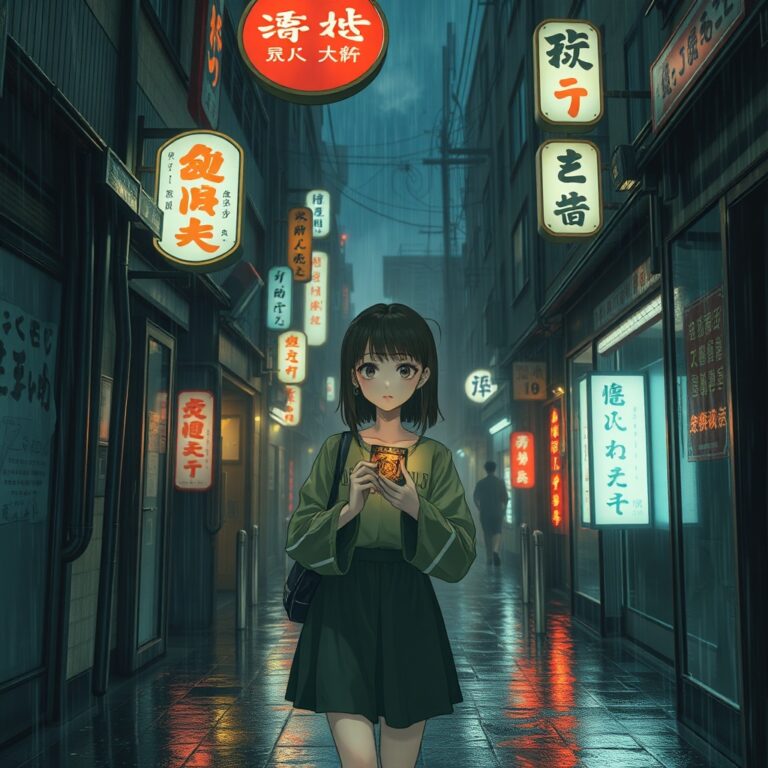
Why Poor Male Rich Female Romance Anime Dominate the Season: A Deep Dive
When a penniless protagonist collides with a billionaire heiress, the sparks aren’t just romantic—they’re economic fireworks. The poor male rich female romance anime trope has become a playground for both heart‑flutter and social commentary. Dive into why this clash of wallets fuels some of the most compelling storytelling today.
The Rise of the Poor‑Male / Rich‑Female Romance Trope in Anime
Early examples that set the stage
Before “Rich Girl Caretaker,” the trope found early expression in classics like “Kimi ni Todoke” (though not strictly class‑based) and more directly in “Maid‑Sama!” where the male lead’s modest background clashes with the heroine’s elite school status. Studios such as J.C. Staff and A‑1 Pictures cultivated these dynamics during the early 2010s, capitalizing on the audience’s fascination with socioeconomic mobility.
Shift toward web‑novel origins
The late 2010s saw a pipeline that favored rapid adaptation cycles, exemplified by titles like “The Irregular at Magic High School.” Brain’s Base’s involvement with “Rich Girl Caretaker” marks a continuation of this trend, yet their reputation for layered narratives adds gravitas. Staff evolution is evident: director Shūsei Morishita, previously an episode director on “Baccano!”, brings a flair for intertwining multiple character arcs, while writer Aya Yoshinaga’s experience on romance‑driven series ensures the dialogue balances humor with earnestness.
Streaming‑era production strategy
Market analysis shows a steady rise in streaming platforms seeking short‑run series that can be binge‑watched, aligning with the five‑episode format and catering to viewers with limited time yet high expectations for production value.
Rich Girl Caretaker: Production Snapshot
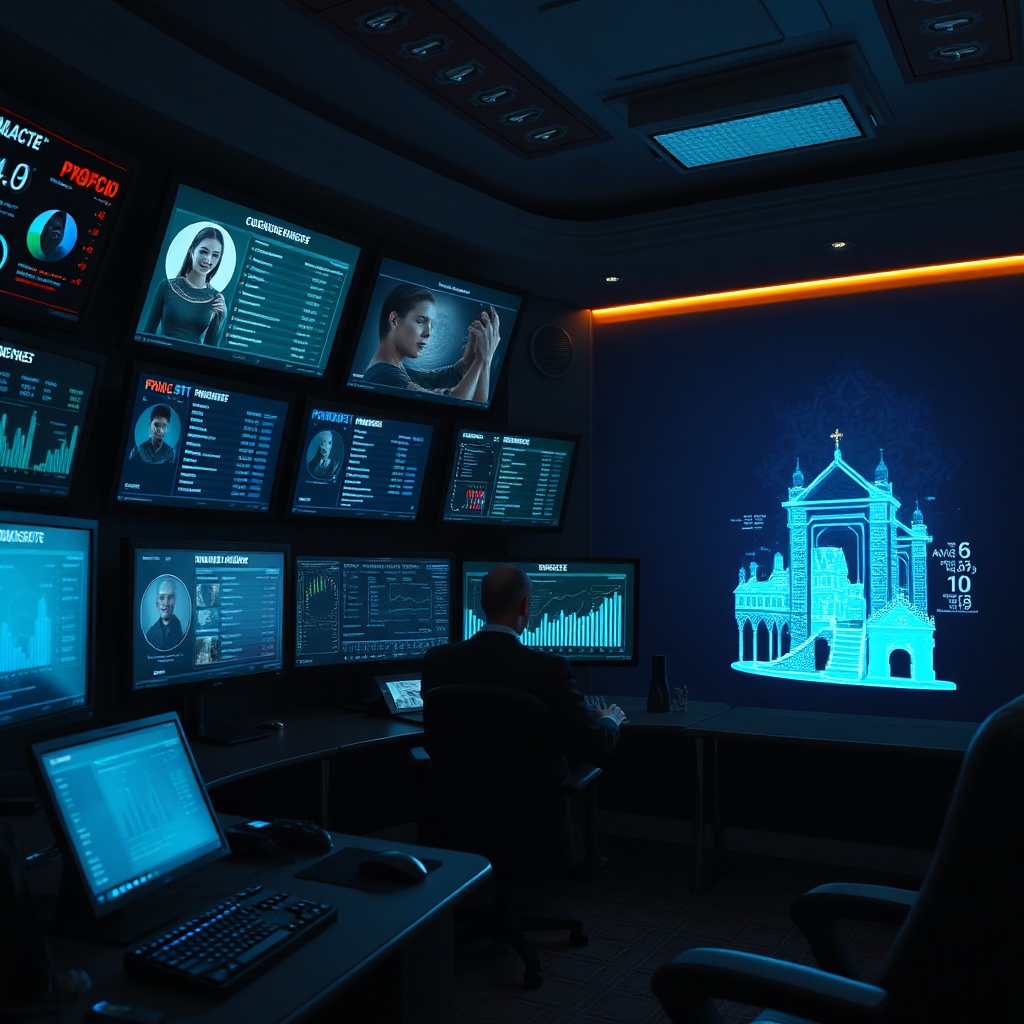
The series official project page confirms that the anime adaptation of “Rich Girl Caretaker” launched on July 5 2026, delivering a concise five‑episode run. This brevity is unusual for a romance adaptation, suggesting a strategic focus on high‑impact storytelling rather than filler arcs.
| Aspect | Details |
|---|---|
| Source material | Web novel serialized on Shōsetsuka ni Narō (Apr 2020 – Oct 2021); light novel by Hobby Japan’s HJ Bunko (May 2021, 12 volumes); manga on Comic Fire (Jul 2021, 6 tankōbon) |
| Animation studio | Brain’s Base |
| Director | Shūsei Morishita |
| Series writer | Aya Yoshinaga |
| Music composers | Natsumi Tabuchi, Hanae Nakamura, Mayo Kurihara |
Narrative Devices and Visual Design in Rich Girl Caretaker
At the heart of “Rich Girl Caretaker” lies a meticulously crafted socioeconomic framework. The male lead’s financial status is quantified through a “Debt Meter,” a visual gauge that fluctuates with each episode, providing viewers a tangible sense of his struggle. Conversely, the heroine’s wealth is represented by a “Luxury Index,” which not only tracks material assets but also social capital, influencing plot decisions such as venue choices for dates.
This dual‑meter system creates a feedback loop: as the protagonist’s debt decreases, the heroine’s Luxury Index subtly adjusts, reflecting the narrative’s theme that love can recalibrate power dynamics. Production design reinforces this through contrasting color palettes—muted earth tones for the male’s environment versus vibrant golds for the female’s settings—enhanced by Natsumi Tabuchi’s score that alternates between minimalist piano and grand orchestral swells.
Story structure follows a “four‑act” rhythm:
- Inciting incident (wealth clash)
- Rising tension (misunderstandings)
- Climax (financial crisis)
- Resolution (mutual growth)
This formula ensures each episode delivers a complete emotional arc while contributing to the overarching character development, a technique that has become a hallmark of successful romance anime in the streaming era.
Sequel Prospects and Cultural Impact
The concise five‑episode format leaves ample narrative threads dangling, ripe for expansion. Fan speculation points toward a second season that could explore the protagonists’ post‑marriage financial management, a topic rarely tackled in romance anime but increasingly relevant in a world where audience demographics skew older and more financially aware.
Additionally, the franchise’s cross‑media presence—light novel, manga, and anime—creates opportunities for spin‑offs focusing on supporting characters, such as the heroine’s rival heiress or the male lead’s childhood friend, each offering fresh perspectives on class disparity.
Culturally, the series contributes to a growing discourse on wealth inequality in Japanese media, echoing societal concerns amplified by recent economic reports. By humanizing both ends of the financial spectrum, the anime encourages empathy rather than caricature, potentially influencing future creators to embed nuanced socioeconomic commentary within romantic narratives.
What’s truly salty is how the production team managed to squeeze a full‑blown emotional rollercoaster into just five episodes. That’s a masterclass in pacing—no filler, no wasted beats. The animation quality stays high, the music swells at just the right moments, and the character arcs feel earned, not forced. If the studio decides to green‑light a sequel, they’ll have to maintain that razor‑thin balance between romance and realism, or risk turning the whole thing into a shallow cash‑grab. Either way, the franchise has set a new benchmark for how class‑gap romances can be both entertaining and thought‑provoking.
Check out the broke male rich female anime archives.