Amsterdam budget guide: How to Roam the City for Under $150 in 3 Days
Dreaming of windmills, canals, and cheap cheese, but your wallet screams “nope”? The Amsterdam budget guide is your ticket to a three‑day adventure that stays under $150, and it’s not a fantasy. Check out our complete Amsterdam budget hub for a bird’s‑eye view of all the savings tips. In a city where coffee costs more than a train ticket, you’ll need clever hacks to keep the cash flowing. Miss this and you’ll end up paying for a souvenir you’ll never use while the real Amsterdam slips by.
Amsterdam Public Transport: Ticket Options & Prices

Public transport in Amsterdam is a labyrinth of trams, buses, metros, and regional trains, but the city has cleverly capped daily costs for OVpay users at €10, regardless of how many hops you make. This means that a single day of unlimited rides can be budgeted like a coffee—predictable and cheap. The GVB 1‑day ticket mirrors this price, offering the same freedom for cash‑paying tourists, while the 2‑day ticket drops the per‑day cost to €8, a modest discount for the indecisive wanderer. For those who plan to venture beyond the city core, the Amsterdam Travel Ticket bundles GVB rides with NS regional trains for €20 a day, a bargain if you’re eyeing Zaanse Schans or Haarlem. The most inclusive option, the Amsterdam & Region Travel Ticket, covers GVB, Connexxion, AllGo, EBS, and NS trains at €44 for three consecutive days—ideal for the power‑traveler who refuses to miss a single museum. All these figures come straight from the official project page, ensuring you’re not chasing phantom discounts. If you’re trying to stretch even tighter, our guide on surviving Amsterdam on a shoestring shows how to eke out a $50‑a‑day itinerary.
Ticket Types and Costs
| Ticket | Price | Validity | Coverage | Notes |
|---|---|---|---|---|
| OVpay Daily Cap | €10 | Per calendar day | All GVB trams, buses, metros (city‑wide) | Automatic cap; rides after €10 are free |
| GVB 1‑day Ticket | €10 | 24 hours from first use | All GVB trams, buses, metros | Physical ticket, can be lost |
| GVB 2‑day Ticket | €16 | 48 hours from first use | All GVB trams, buses, metros | Effective €8 per day, but must be used consecutively |
| Amsterdam Travel Ticket | €20 per day | 1‑day / 3‑day options | GVB + NS regional trains | Good for day trips (e.g., Zaanse Schans, Haarlem) |
| Amsterdam & Region Travel Ticket | €44 | 3 consecutive days | GVB, Connexxion, AllGo, EBS, NS trains | Best for extensive regional travel |
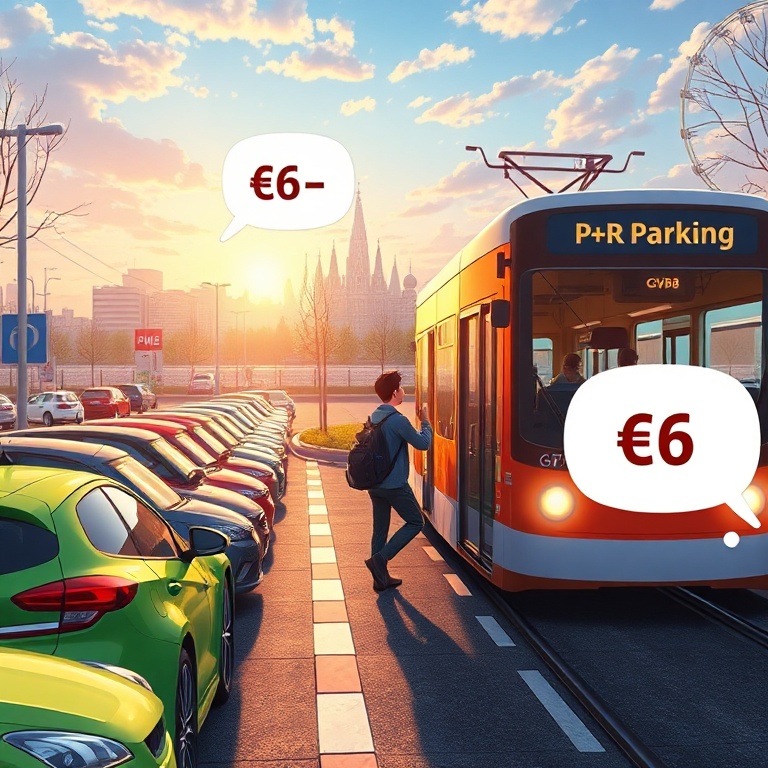
| P+R Parking | €6 | Per vehicle per day | Includes one GVB ride | Cheap gateway from outskirts |
How Budget Travel in Amsterdam Has Evolved Since the Early 2000s
Back in the early 2000s, budget travelers in Amsterdam relied on paper maps, single‑ticket purchases, and the dreaded “tourist tax” that ate into every euro. Hostels were the only affordable lodging, and the concept of a city‑wide travel card was a distant dream.
Fast forward to today, and the OVpay cap is a game‑changer, echoing the broader shift toward contactless, data‑driven mobility seen across Europe. The old guard—travel agencies that once sold bundle packages—now compete with apps that instantly calculate the cheapest route, factoring in caps and discounts. This evolution mirrors the rise of “micro‑tourism” where short, intensive stays are optimized for cost, not comfort. Studios like the Dutch National Tourist Board have embraced this trend, promoting budget‑friendly itineraries on social media, while local businesses have adapted by offering “pay‑what‑you‑can” meals and free museum days. The result is a more inclusive cityscape where a backpacker can sip a free coffee at a museum café while a millionaire tours in a private boat—both experiencing the same canals, just through different lenses. For more budget‑friendly ways to roam the city, see our companion guide.
Understanding the OVpay Daily Cap and Ticket Mechanics

At first glance, the €10 daily cap for OVpay looks like a simple flat‑rate, but the mechanics are layered.
- The system monitors each tap‑in and tap‑out, aggregating the fare in real time; once the €10 threshold is reached, subsequent rides are automatically free for the remainder of the day. This eliminates the need for manual ticket validation and prevents accidental overspending—a common pitfall for tourists juggling multiple transport modes.
- The GVB 1‑day ticket is a physical token that costs the same (€10) but can be lost or forgotten, whereas OVpay lives in your wallet, immune to such mishaps.
- The 2‑day ticket’s €16 price point translates to €8 per day, but it only activates after a 24‑hour window, meaning you can’t split the days arbitrarily.
- The Amsterdam Travel Ticket’s inclusion of NS trains adds a strategic layer: if you plan a day trip to the tulip fields, the €20 ticket saves you roughly €5 compared with buying separate GVB and NS tickets.
- The Amsterdam & Region Travel Ticket’s broader coverage is a cost‑benefit puzzle—if you intend to hop between regional buses and trains, the €44 three‑day price becomes a steal; otherwise, you’re paying a premium for unused services.
Understanding these nuances lets you tailor the optimal ticket to your itinerary, squeezing every cent out of the system.
Scaling the Amsterdam Budget Guide for Global Nomads
The success of the Amsterdam budget guide signals a broader shift toward hyper‑localized, data‑rich travel playbooks that can be replicated worldwide. As more cities adopt contactless fare caps and integrated ticketing, the template—combine official fare data, real‑time cap mechanics, and cost‑effective lodging tips—becomes a universal blueprint for budget nomads. Tech platforms could soon auto‑generate city‑specific guides, pulling from transit authority APIs to calculate daily caps, suggest optimal ticket combos, and even forecast crowd levels for attractions. This would empower travelers to plan on the fly, reducing reliance on static guidebooks and fostering a more sustainable tourism model where visitors disperse evenly, easing pressure on hotspots.
Listen up, fresh‑blood wanderers: the golden age of “just wing it” travel is over. The moment you step off that tram, the city’s data will be whispering your next move—if you’re willing to listen. Ignoring the OVpay cap is like leaving your wallet on the canal; you’ll regret it when the night falls and the cheap stroopwafel you coveted is out of reach.
My two‑decade‑long trek across continents taught me that the real treasure isn’t the souvenir, but the mastery of the system that lets you stretch a buck until it snaps. Amsterdam’s transport cap is a lesson in efficiency—apply that mindset to every city, and you’ll turn a $150 budget into a passport of experiences. Remember, the world rewards the savvy, not the spendthrift.
Related Guides & Further Reading
Check out the Amsterdam budget guide archives.