Anime City Ikebukuro: Kadokawa’s Bold Bet to Turn Ikebukuro into a World‑Class Anime Destination
Anime City Ikebukuro is poised to become the next pilgrimage hotspot for otaku worldwide, but can a single development truly reshape Japan’s tourism map? Kadokawa’s ambitious Studio One Base promises to flood the district with fresh content and jobs. The stakes are high: a successful rollout could ignite a new economic engine, while a stumble might relegate the dream to another fleeting hype.
For visitors planning their route, the site’s comprehensive travel hub offers detailed itineraries, budgeting tips, and transport options across Japan.
Studio One Base: The Core of Anime City Ikebukuro
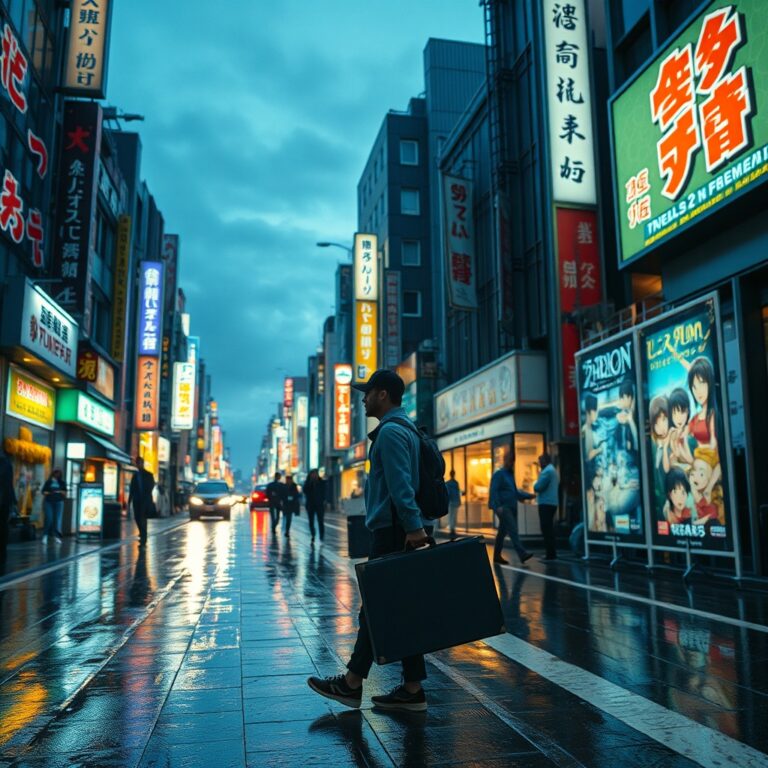
On March 5 2026 Kadokawa announced a partnership to transform Ikebukuro into a “World‑Class Anime City.” The centerpiece, Studio One Base, is slated to open in the autumn of 2026 within the iconic Sunshine City complex. Spanning roughly 4,628 ㎡, the facility will house about 400 staff members—animators, writers, producers, and support crews—once fully operational. This scale is comparable to a mid‑size corporate campus, signaling Kadokawa’s intent to centralize a significant portion of its production pipeline under one roof. The location inside Sunshine City is strategic: the mall already draws millions of shoppers annually, offering immediate foot traffic and a built‑in audience for promotional events, merchandise stalls, and fan meet‑ups. By embedding the studio in a commercial hub, Kadokawa can seamlessly blend content creation with consumer experiences, turning every floor of the building into a potential showcase for upcoming series. The official press release provides the full details: official project page. This move not only cements Ikebukuro’s status as a production hotspot but also sets a precedent for how anime studios can integrate directly with urban retail ecosystems.
From Akihabara to Ikebukuro: A Historical Shift in Anime Pilgrimage
For decades, Akihabara has been the de‑facto Mecca for anime fans, its electric streets lined with maid cafés, figurine shops, and endless rows of electronics. Yet the rise of a curated anime travel guide has shown that fans will journey far beyond traditional otaku districts when a narrative promise is strong enough. Ikebukuro, historically known for its bustling department stores and the massive Sunshine City, has flirted with anime culture through events like “Ikebukuro Anime Expo,” but never with the infrastructural commitment Kadokawa now offers. This shift mirrors the broader industry trend where studios are no longer content to be behind‑the‑scenes factories; they are becoming brands that sell experiences. The old guard—studios like Toei and Sunrise—once relied on broadcast slots and merchandise sales, but the modern market demands immersive environments. Kadokawa’s decision to anchor a full‑scale production hub in Ikebukuro reflects a strategic pivot: create a living, breathing showcase that fuels both content creation and tourism, thereby diversifying revenue streams and deepening fan engagement.
Crunching the Numbers: What 4,628 ㎡ and 400 Staff Mean for Production
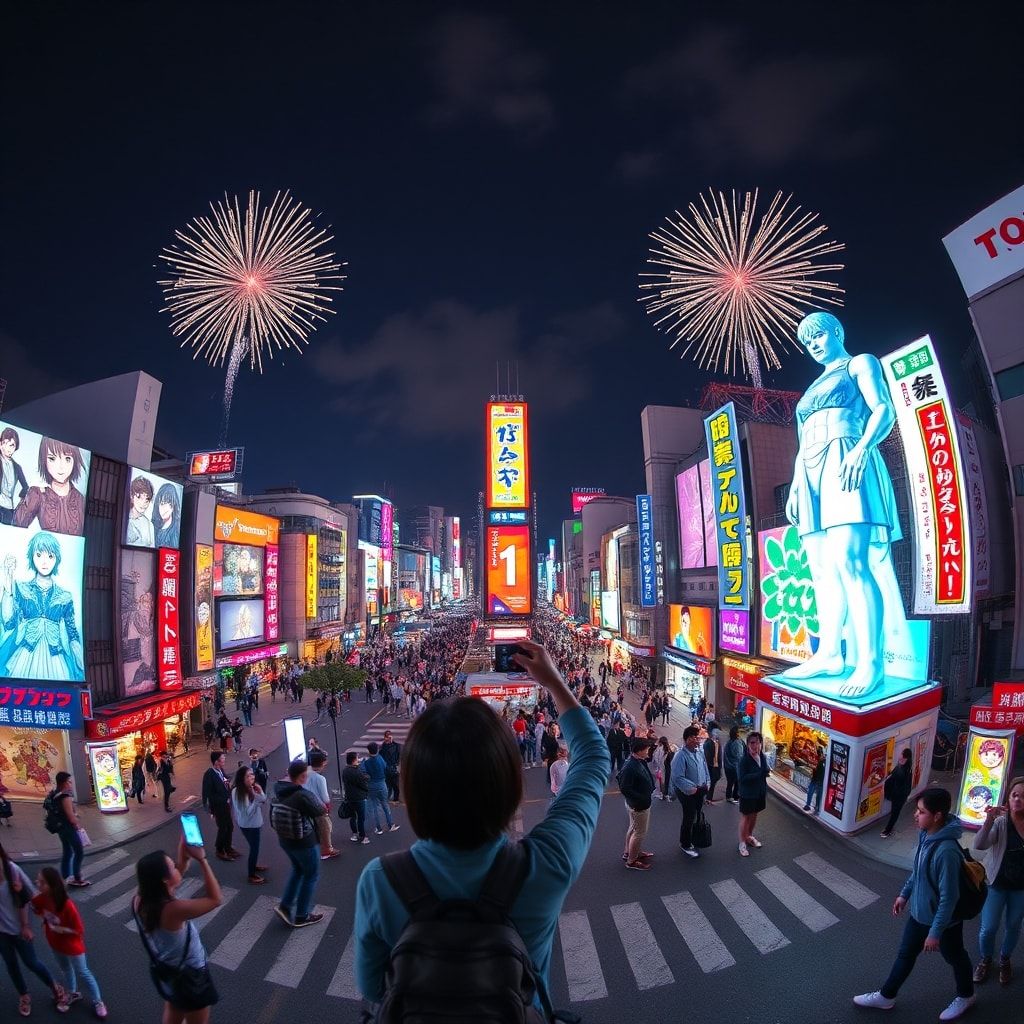
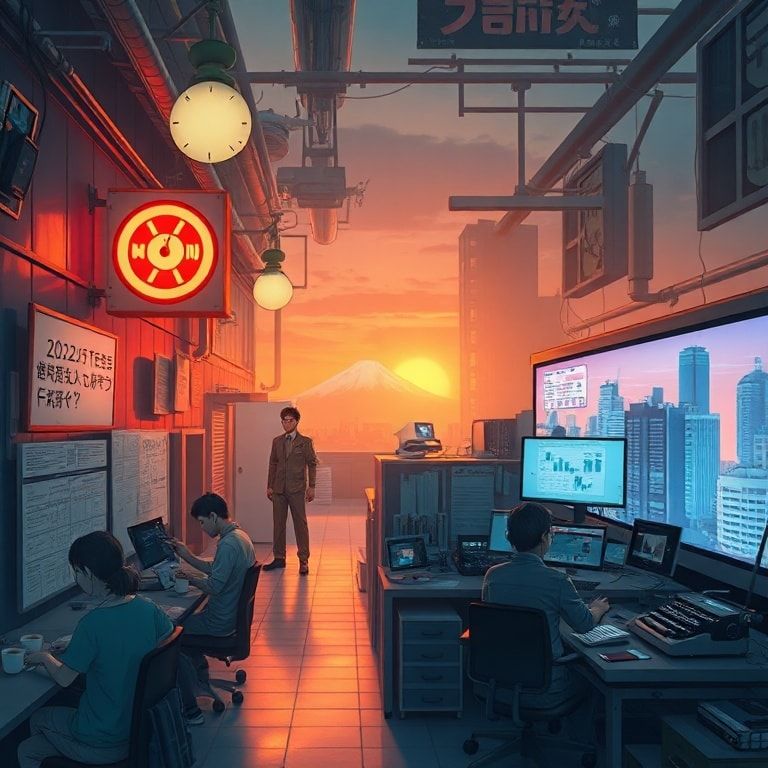
The raw figures—4,628 ㎡ of floor space and a projected workforce of 400—translate into tangible production capabilities. At roughly 11.5 ㎡ per employee, the studio offers generous room for collaborative zones, sound stages, motion‑capture rooms, and post‑production suites, far exceeding the cramped cubicles typical of legacy studios. This spatial generosity enables simultaneous development of multiple series, allowing Kadokawa to stagger releases and maintain a steady pipeline of content across TV, streaming, and theatrical formats. Moreover, the concentration of talent in one location fosters cross‑pollination of ideas: a director working on a shōnen title can easily consult with a writer on a slice‑of‑life drama, potentially spawning hybrid genres. The proximity to Sunshine City also means immediate access to marketing channels—live‑streamed panels, pop‑up shops, and fan‑generated content can be rolled out in real time, creating a feedback loop that informs creative decisions. Economically, the 400‑person staff will inject roughly ¥30 billion annually into the local economy through wages, housing, and ancillary services, a figure comparable to a mid‑size corporation’s regional impact. In short, the numbers aren’t just statistics; they are the scaffolding for a new production paradigm that blends creation, distribution, and consumer interaction under one roof.
Looking Ahead: How Anime City Ikebukuro Will Redefine the Industry
The long‑term ramifications of Kadokawa’s venture extend far beyond the immediate boost to Ikebukuro’s foot traffic. By establishing a world‑class production hub within a commercial district, the company sets a template for other studios to follow, potentially sparking a wave of “anime city” developments across Japan and even abroad. This model could accelerate the integration of AR/VR experiences into everyday urban spaces, turning cityscapes into interactive storyboards that promote new releases in situ. For creators, the proximity to a captive audience means instant market testing: pilot episodes can be screened on large digital billboards, and real‑time fan reactions can shape narrative arcs before a series even hits streaming platforms. From a business perspective, the synergy between content and commerce could unlock new licensing structures, where merchandise sales are directly tied to on‑site experiences, driving higher profit margins. Industry watchers can follow the anime pilgrimage Japan guide for insights on upcoming hotspot projects.
Listen, kid, the moment you hear “Anime City Ikebukuro” you’ve already been sold a dream wrapped in neon. Kadokawa’s got the cash, the clout, and a building that already smells of ramen and ambition. But remember, every time a studio tries to turn a district into a theme park, the locals either cash in or get trampled. The real test will be whether the 400‑strong crew can churn out hits that aren’t just filler for the souvenir shops. If they manage a few breakout series that actually resonate, Ikebukuro could become the new Shibuya of otaku culture—buzzing, profitable, and forever changing the way we consume anime.
Don’t be fooled by glossy press releases; the infrastructure is only as good as the stories it produces. Kadokawa’s gamble could either cement Ikebukuro as the next pilgrimage hotspot or leave it as a glossy footnote in the annals of over‑hyped urban projects. Either way, the ripple effect will be felt across the industry—studios will scramble to emulate the model, investors will sniff out the next “anime city,” and fans will keep lining up for that perfect selfie with a holographic hero. Strap in, because the future of anime tourism is about to get a whole lot louder.
Related Guides & Further Reading
Check out the Ikebukuro archives.