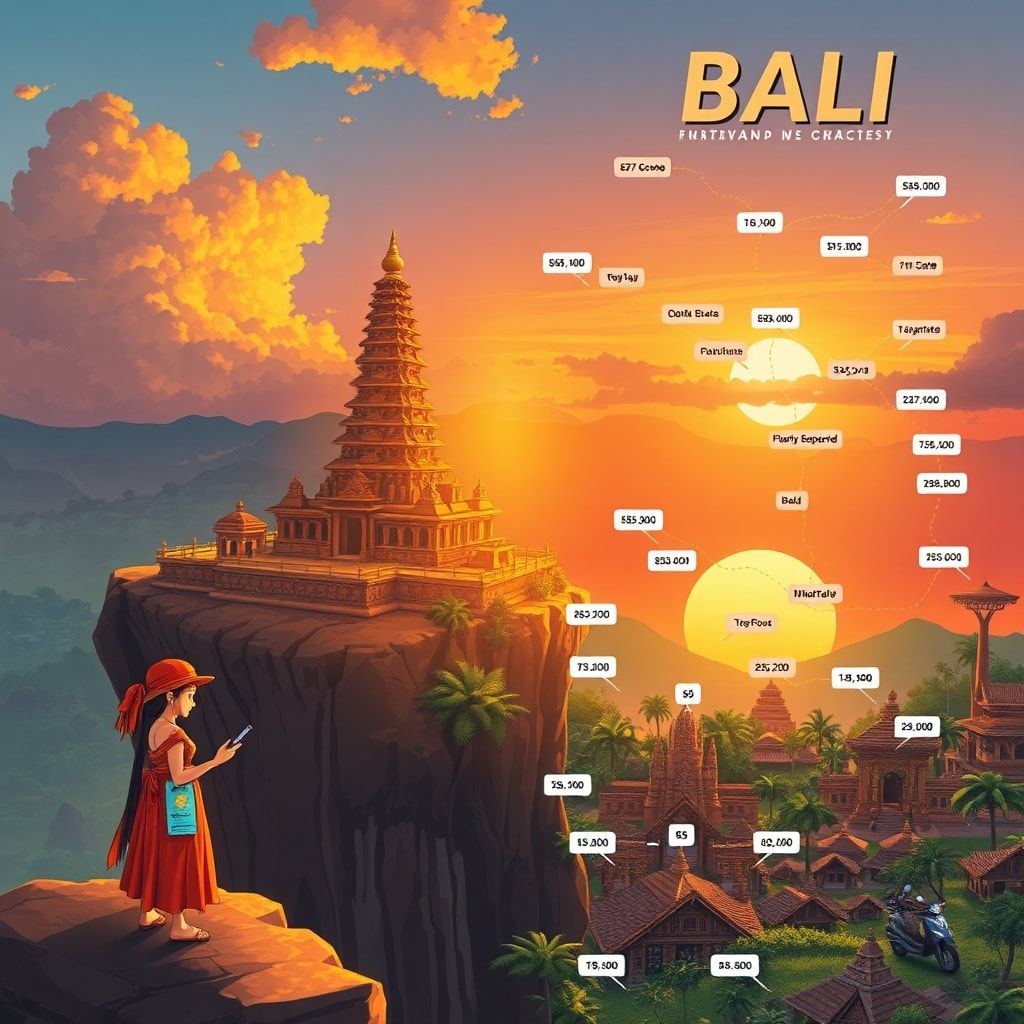
Bali Budget Breakdown: How to Stretch ₹32,000 Across 8 Epic Days
Planning an 8‑day escape to the Island of the Gods without blowing your bank account? The Bali budget breakdown is your secret weapon, turning a modest ₹32,000 into sun‑kissed beaches, temple hikes, and midnight warungs. Miss the math and you’ll be swapping surfboards for hostel laundry queues – a fate no otaku nomad tolerates. For a full overview, see our comprehensive Bali budget guide. Explore the central Bali budget hub for a step‑by‑step roadmap. For more destination ideas across Indonesia, head over to our travel hub.
Verified Insights: Pura Lempuyang Fees and the Real Cost of Bali’s Sacred Sites

First, as highlighted in our shoestring itinerary guide, let’s decode the numbers that most guidebooks gloss over. The entrance ticket for Pura Lempuyang is IDR 50,000 for locals and IDR 100,000 for foreign visitors – a modest fee that, surprisingly, bundles a mandatory sarong and sling. This isn’t a gimmick; the sarong respects the sanctity of the site, while the sling keeps your camera gear safe on the steep ascent. Add a shuttle from the parking lot to the main gate for an extra Rp50,000 per person, and you’ve got a clear picture of the baseline cost for a must‑see sunrise trek.
Why does this matter for a tight budget? Those few hundred rupees add up, but they also replace the need for a pricey guide. The official project page confirms the operating hours (07:00‑17:00 WITA) and the cultural nuance that Hindu worshippers may enter outside these windows for ceremonies. Knowing the schedule lets you time your visit to avoid the midday crowds, saving on extra transport or last‑minute ticket surcharges. Moreover, the GPS‑locked coordinates of Tanah Lot (‑8.6207292, 115.0865564) and its hour‑long drive from Ngurah Rai International Airport mean you can map a logical route that minimizes fuel consumption – a crucial factor when every rupiah counts.
Old Guard Lens: How Bali Travel Guides Have Evolved Since the Early 2000s
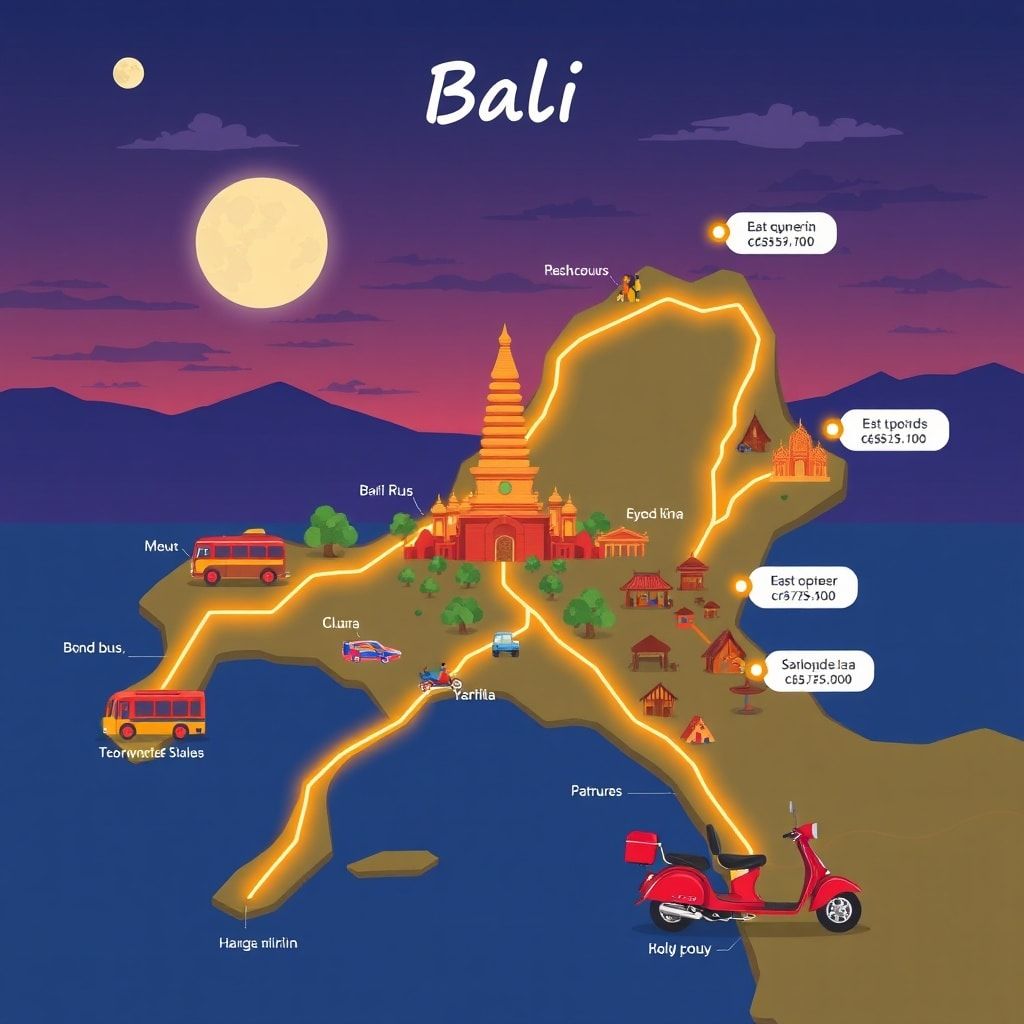
Back in the early 2000s, budget travel to Bali was a niche pursuit, chronicled in printed guidebooks that listed static prices and generic itineraries. Those tomes often ignored the nuanced fee structures of temples like Pura Lempuyang, treating them as a flat “entry fee” without mentioning the sarong or shuttle add‑on. Fast forward to today, and the digital age has democratized data: crowdsourced platforms, official tourism sites, and even anime‑inspired travel vlogs now break down each expense to the rupiah.
The shift reflects broader industry trends. Studios that once produced glossy travel magazines have pivoted to agile content teams that can update pricing in real time. Staff evolution is evident in the rise of “local influencers” who blend cultural insight with pop‑culture aesthetics, making the budget breakdown not just a spreadsheet but a story. Market shifts toward experiential travel mean tourists now value authenticity over convenience, prompting guide creators to highlight rituals, dress codes, and timing – all of which directly affect the bottom line. This evolution empowers the modern traveler to plan a trip that feels both frugal and richly immersive, a balance the old guard could only dream of.
Technical Crunch: Bali Budget Breakdown Numbers, Transport, and Hidden Expenses

Transport is the wildcard, as our backpacker’s wallet guide explains. For a detailed itinerary, check out our budget itinerary guide. Renting a scooter costs around IDR 60,000‑70,000 per day (≈₹600‑₹700). For eight days, that’s ₹4,800, but you can shave costs by using local “bemo” minibusses for longer hops – a ride from Kuta to Ubud is roughly IDR 15,000 (₹150). Factor in the Pura Lempuyang ticket (IDR 100,000 ≈₹1,000) plus the shuttle (IDR 50,000 ≈₹500). Add a modest buffer of ₹1,5 00 for unexpected fees (extra sarong rentals, souvenir bargaining, or a rain‑day museum entry). Summing these line items lands you at roughly ₹28,500, leaving a safety net of ₹3,500 for spontaneous activities like a sunset cruise at Tanah Lot or a traditional dance show. The math proves that with disciplined allocation, the Bali budget breakdown can comfortably cover the island’s highlights without sacrificing comfort. For a deeper dive into affordable transport options, see our step‑by‑step Bali budget guide.
Future Implications: Scaling Your Bali Adventure on a Shoestring in 2025 and Beyond
The next wave of budget travel will be shaped by sustainability and tech integration. As Bali pushes for greener tourism, eco‑hostels offering carbon‑offset stays will become more affordable, potentially lowering accommodation costs further. Meanwhile, blockchain‑based ticketing could streamline temple entry fees, automatically bundling sarong rentals and shuttle services into a single QR code, eliminating hidden costs and saving travelers time.
Culturally, the island’s growing popularity among anime fans means more niche tours that blend pop‑culture with heritage – think “Studio Ghibli‑inspired” walks through rice terraces. These experiences will likely be priced competitively to attract the otaku nomad crowd, reinforcing the viability of a sub‑₹32,000 itinerary. However, the risk lies in over‑tourism; if visitor numbers surge, authorities may raise fees to protect sites, nudging the budget breakdown upward. Savvy travelers will need to stay ahead of policy changes, leveraging real‑time data apps and community forums to adjust their plans on the fly.
Don’t let the fear of missing out lock you into overpriced packages. The true art of a Bali budget breakdown lies in flexibility: book your scooter a day early to snag a discount, haggle politely for souvenir prices, and always carry a spare sarong – you never know when a temple will call you to its gates. In the end, the memories you forge under that Balinese sun will outshine any receipt, and that’s the ultimate ROI for any otaku nomad.
Related Guides & Further Reading
Check out the Bali travel archives.