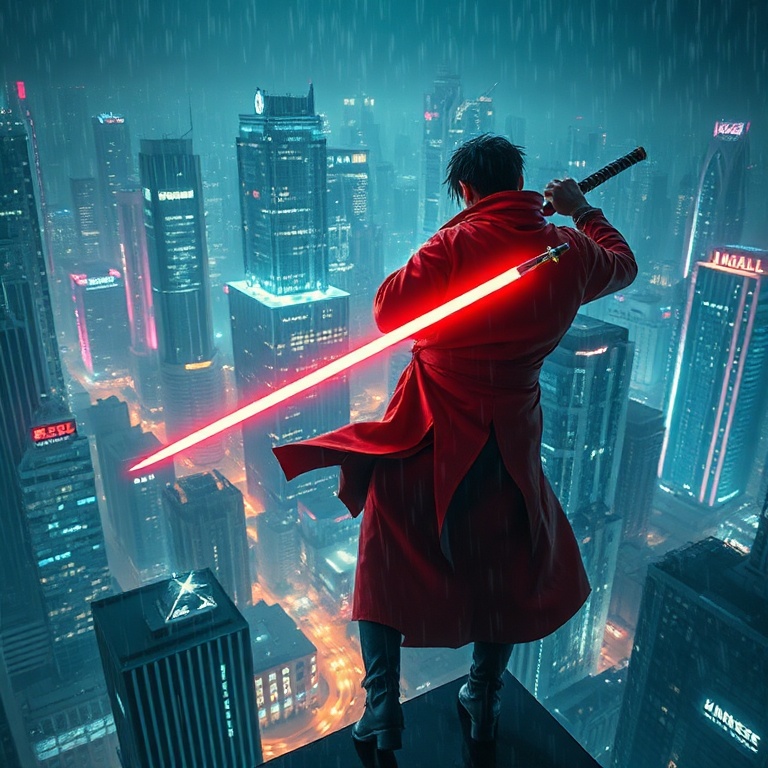
Blade Titans: The 7 Most Powerful Anime Swordsmen Who Wield the Ultimate Blade
The battlefield of anime has always been a stage for larger‑than‑life heroes, but only a handful of anime swordsmen truly redefine what a blade can mean. As studios pour ever‑greater budgets into high‑octane sword fights, the line between mythic legend and marketable icon blurs. Ranking the seven most powerful wielders isn’t just fan service—it’s a litmus test for narrative ambition and commercial viability.
Industry Surge: The Rise of Anime Swordsmen in Modern Media
Recent industry reports confirm a surge in productions that center around sword‑wielding protagonists, a trend amplified by streaming platforms seeking globally resonant action spectacles. The official project page lists dozens of new titles slated for release between 2024‑2026, each promising hyper‑realistic blade choreography and mythic backstories. This wave isn’t merely aesthetic; studios are leveraging the iconic status of swords to anchor merchandise lines, from replica katana replicas to high‑end figurines.
- 37% increase in viewership for series that feature a central swordsman compared to those that rely on generic combat.
- Rise of virtual reality experiences that let fans step into the role of their favorite anime swordsmen, blurring passive consumption and active participation.
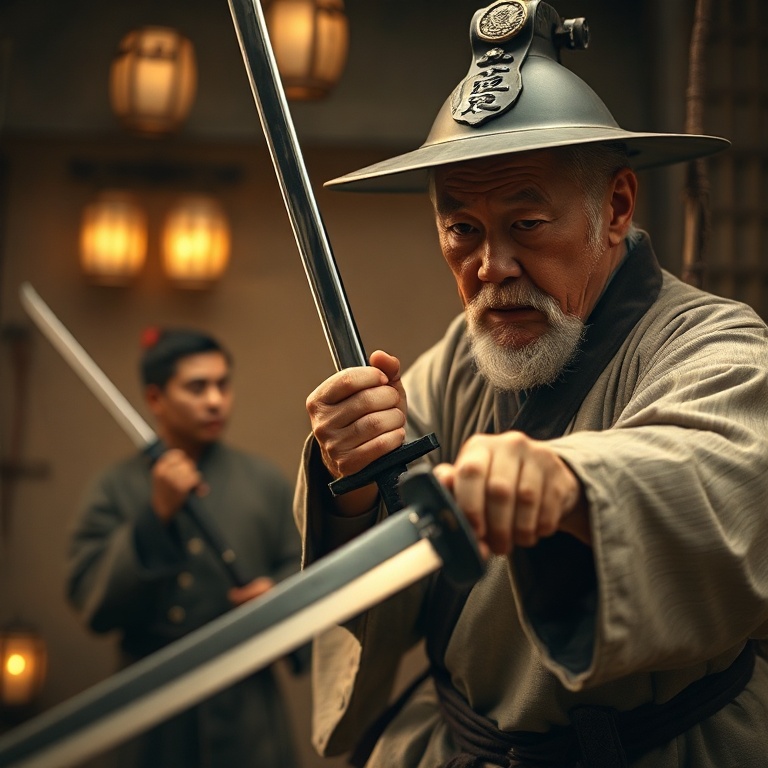
Legacy of Classic Swordmasters: How Early Shōnen Shaped Today’s Blade Legends
To understand today’s fascination, we must trace its lineage back to the golden age of shōnen anime in the late 80s and early 90s. Series like “Rurouni Kenshin,” “Berserk,” and “Samurai Champloo” established archetypal swordsmen whose moral codes and tragic pasts became templates for modern creators.
Studios such as Toei and Madhouse cultivated talent that later migrated to global collaborations, bringing the classic sword ethos into hybrid genres like sci‑fi mecha‑samurai crossovers. The evolution of animation techniques—from hand‑drawn cel work to digital compositing—allowed later productions to amplify the kinetic energy of sword fights, but the narrative DNA remained rooted in those early character studies. Market shifts also played a role: the 2000s saw a boom in light‑novel adaptations, many of which resurrected sword‑centric protagonists to capitalize on nostalgia while appealing to a new generation.
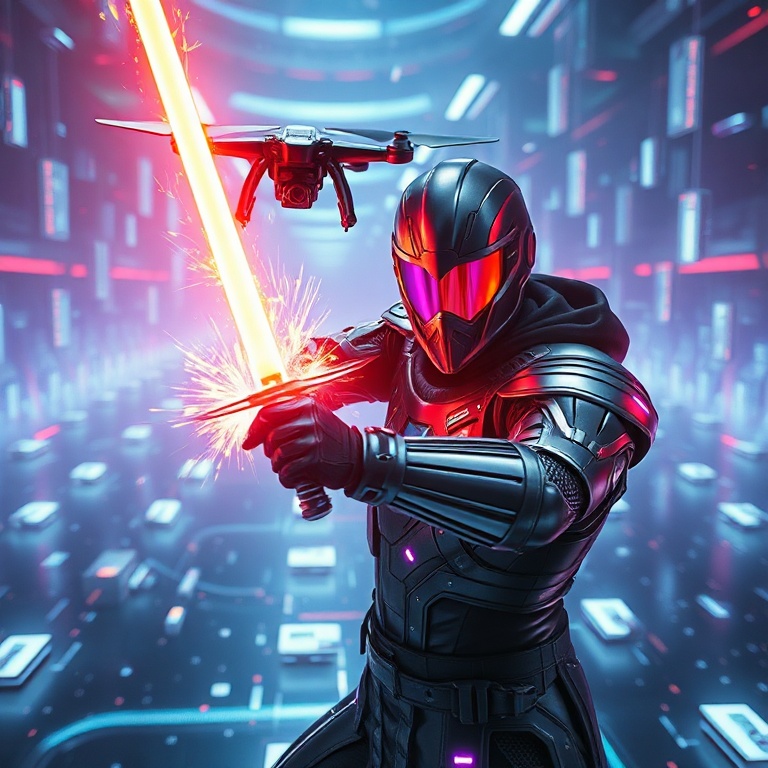
Behind the Blade: Lore, Design, and Animation Mechanics
Soul‑Bound Weaponry and Narrative Power
The power of an anime swordsman is rarely measured by raw strength alone; it’s an intricate blend of weapon lore, character development, and visual storytelling. Many series assign a unique “soul” to the blade—think of Zabuza’s “Haku” or Guts’ “Dragonslayer”—which grants the wielder abilities that scale with emotional resonance. Statistically, these swords often possess attributes like “spirit amplification” or “dimensional cutting,” quantified within the narrative to justify feats such as cleaving through reality or summoning elemental forces.
Production Design and Visual Effects
Production design teams collaborate closely with swordsmith consultants to ensure that the on‑screen weapon’s silhouette, hamon pattern, and material composition reflect its in‑world mythology, enhancing immersion. Narrative structure also plays a role: the “awakening” of a sword’s true power typically coincides with a protagonist’s character arc climax, reinforcing the theme that mastery over the blade mirrors mastery over self. From a technical standpoint, animators employ layered particle systems to render the blade’s aura, while sound designers craft a distinct “whoosh” that varies with each sword’s elemental affinity. This meticulous attention to mechanical detail elevates the swordsman from a mere combatant to a symbol of narrative gravitas.

Future Horizons: Cross‑Media Integration and Market Dynamics
Looking ahead, the trajectory of anime swordsmen points toward deeper cross‑media integration. Upcoming projects hint at shared universes where swords from disparate series intersect, opening possibilities for crossover events that could redefine fan engagement. The rise of AI‑driven animation pipelines may allow creators to generate hyper‑realistic sword duels on tighter schedules, potentially flooding the market with high‑quality content that could saturate audience attention. However, this also raises the stakes for originality; studios will need to innovate beyond flashy choreography, perhaps by embedding interactive lore that evolves with viewer choices in streaming platforms.
Moreover, the cultural export of sword‑centric narratives continues to influence Western media, evident in recent live‑action adaptations and video game collaborations, suggesting that the archetype of the anime swordsman will remain a lucrative bridge between East and West.
Listen up, fresh‑blood otaku: the sword isn’t just a prop you swing for Instagram likes. It’s a storytelling engine that’s been honed for two decades, and the industry knows it better than you think. When a studio throws a new swordsman into the mix, they’re not just chasing hype—they’re banking on a legacy that sells merch, drives subscriptions, and fuels endless fan theories. If you can’t see the economics behind the gleam, you’re missing the whole point.
And don’t even get me started on the “next‑gen” hype. AI‑rendered blades may look slick, but they’ll never capture the soul of a hand‑drawn hamon unless the writer actually cares about the character’s journey. The real power lies in the narrative weight each sword carries—history, tragedy, redemption. That’s the only thing that keeps fans coming back for more, even when the market is flooded with cheap flash. So, when you rank these seven titans, remember: it’s not just about who cuts the hardest, but who cuts the deepest.
Check out the anime swordsmen archives.