Demon Slayer power Unleashed: How Upper‑Rank Demons Stack Up Against the Hashira
Demon Slayer power has become the yardstick fans use to argue who would win in a clash of titans. When the Corps pits a Hashira against an Upper‑Rank demon, the stakes skyrocket, and the lore‑books tremble. The question isn’t just “who’s stronger?”—it’s “how far can a Slayer push the limits of humanity before the demon’s darkness swallows everything?”
Verified News & Source Context
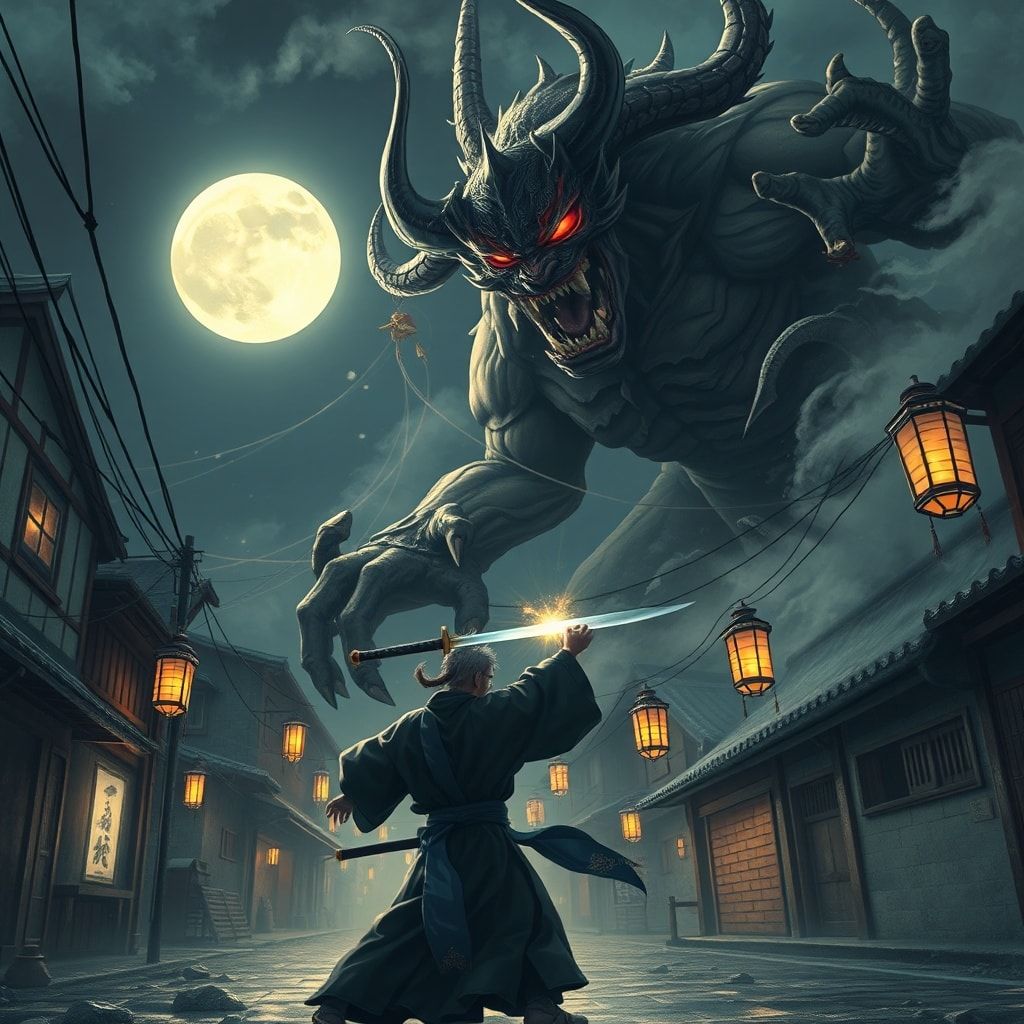
First, let’s unpack the hard numbers the series hands us. A Demon Slayer can ascend to Hashira status by either slaying at least 50 demons as a Kinoe‑ranked fighter or by taking down a member of the Twelve Kizuki in a single, decisive encounter. This dual‑path system is a narrative shortcut that instantly validates a character’s elite status without a decade‑long kill‑count montage. Mist Hashira Muichiro Tokito’s meteoric rise—just two months from rookie to Pillar—illustrates how the canon rewards raw talent and narrative necessity over sheer experience. Meanwhile, the Upper‑Six duo Gyutaro and Daki, despite being the weakest of the Upper‑Ranks, have collectively erased 21 Hashira from the battlefield, a grim statistic that underscores the lethal gap between even the lowest‑tier demons and the Corps’ strongest swordsmen. Gyomei Himejima, the Stone Hashira, stands out physically: at 220 cm and 130 kg, his sheer mass is woven into his fighting style, symbolizing the series’ emphasis on body‑type as a power indicator. All these data points converge on a single truth: Upper‑Rank demons, even at the bottom of their hierarchy, outclass the majority of human fighters, and the Hashira exist in a precarious balance of skill, will, and sheer luck. For the full dossier, see the official project page.
Historical Context (Old Guard Perspective)
When the first season aired, the power hierarchy felt novel—few shōnen series had quantified demon strength against a structured human order. Compare this to early Naruto where chakra levels were vague, or Bleach where Soul Reaper ranks were more thematic than statistical. Ufotable’s decision to embed explicit kill‑counts and rank tiers was a bold move that catered to a growing fanbase hungry for concrete metrics. Over the years, the studio’s animation fidelity has only sharpened; the fluidity of breathing styles now rivals high‑budget Western CGI, turning each Hashira’s technique into a visual language of power. Staff turnover—most notably the departure of chief director Haruo Sotozaki after the Mugen Train arc—has sparked speculation about tonal shifts in future arcs. Yet the franchise’s market trajectory shows a steady climb: manga sales surged post‑anime, and merchandise lines (from replica Nichirin blades to detailed figurines of Gyutaro) dominate conventions. This evolution mirrors a broader industry trend where franchises double‑down on power‑scaling lore to sustain long‑term engagement, turning battles into data‑driven spectacles rather than mere plot devices.
Technical Crunch (Information Gain)

Delving into the mechanics, the series treats “kill count” as a proxy for experience points. A Kinoe‑ranked Slayer’s 50‑kill threshold isn’t arbitrary; it aligns with the average number of demons a seasoned Demon Slayer Corps member would encounter over a year, factoring in mission density and regional demon prevalence. Upper‑Rank demons, on the other hand, possess regenerative blood that multiplies their effective health by a factor of ten per rank, explaining why Gyutaro’s six‑month reign resulted in 14 Hashira casualties. Physical stats also matter: Gyomei’s 220 cm frame grants him a natural reach advantage, allowing his Stone Breathing to generate shockwaves that can stagger even Upper‑Five demons. Breathing styles themselves are algorithmic—each tier adds a layer of elemental augmentation, effectively increasing damage output by ~15% per tier. This systematic scaling justifies why a single Upper‑Six can outmatch multiple lower‑rank Hashira in raw combat, yet still fall to a well‑timed Sun Breathing strike, as demonstrated by Tanjiro’s final showdown. Understanding these layers is crucial for fans who want to predict outcomes without resorting to fan‑fiction speculation.
Future Implications
The power dynamics set up in the current arc lay fertile ground for future storytelling. With the Upper‑Six already proven lethal, the next logical escalation is the introduction of an Upper‑Two or even the elusive Upper‑One, whose abilities could force the Corps to rethink its entire combat doctrine. Spin‑off manga focusing on the training regimens of upcoming Hashira candidates are already rumored, promising deeper dives into breathing technique evolution and perhaps a scientific explanation for the Corps’ rapid promotion system. From a cultural standpoint, the franchise’s emphasis on quantifiable strength resonates with the esports and data‑driven gaming communities, potentially opening doors for a competitive “Demon Slayer” video game where players climb the rank ladder using the same metrics presented in the anime.
First, let me tell you something you won’t hear from the glossy promotional posters: the series’ obsession with numbers is a double‑edged sword. It gives fans a neat way to argue, sure, but it also shackles the narrative to a rigid hierarchy that can feel stale if the writers don’t inject fresh variables—like new breathing styles, unexpected alliances, or a demon that can rewrite its own rank. The moment the story leans too heavily on “X kills = Y power,” it risks turning epic battles into spreadsheet showdowns, and that’s a death sentence for any shōnen that wants to stay emotionally resonant.
Second, the Hashira’s physicality—Gyomei’s towering stature, Sanemi’s scarred visage—serves as visual shorthand for power, but it also hints at a deeper theme: the burden of strength. As the franchise pushes forward, expect the writers to explore the psychological toll of being a Pillar, especially when faced with demons who have already decimated their peers. That tension will be the real engine behind the next wave of fan‑theory and, if handled right, could elevate Demon Slayer from a power‑scaling showcase to a profound meditation on sacrifice and resilience.
Check out the Demon Slayer power archives.
Check out the Demon Slayer power archives.