Helsinki Budget: How to Roam the Finnish Capital Without Emptying Your Wallet
Dreaming of a Nordic adventure but your wallet screams “nope”? The Helsinki budget mindset flips that script, turning pricey myths into cheap thrills. Strap in, because the next four days could rewrite your travel playbook.
Verified News & Source Context

HSL’s day tickets are sold for durations ranging from a single day up to a marathon‑style 13‑day stretch, granting travelers the freedom to hop on any bus, tram, metro, or commuter train without fretting over individual fares. This flexibility is a game‑changer for budget‑savvy tourists who want to explore the archipelago, design districts, and even venture into neighboring Espoo on a single purchase. Validation is a one‑time affair: slide the disposable card through a reader at the start of your first journey, then simply flash it on buses; trams, metros, and commuter rails only demand proof when a conductor or inspector asks, cutting down on the dreaded ticket‑checking drama.
A €100 penalty looms over anyone caught without a valid ticket, plus the cost of the missed ride – a steep reminder that cheap travel still demands respect for the system. For groups larger than 50, HSL forces you to pre‑order tickets via a dedicated group form, available both on paper and through the app, ensuring bulk travelers don’t clog the kiosks. Purchasing options are plentiful: traditional ticket machines, kiosks, sales points, or the free HSL mobile app, which syncs instantly with your phone’s wallet. All of this is outlined on the official project page, a treasure trove for anyone wanting to master Helsinki’s public‑transport economy.
Helsinki Budget: Historical Context of Public Transport Savings
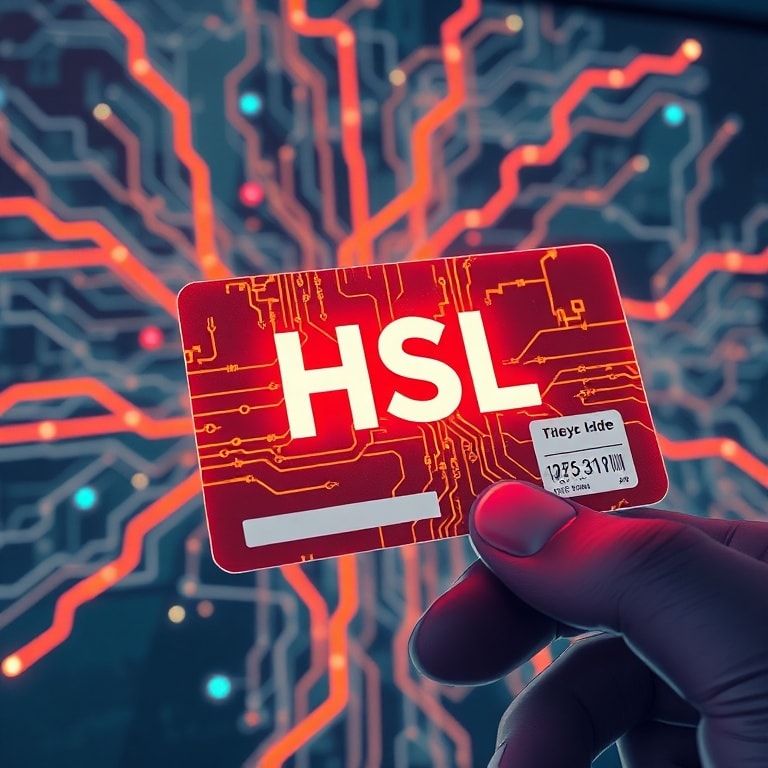
Back in the early 2000s, Helsinki’s transport fare system resembled a labyrinth of paper tickets, zone‑based pricing, and a bewildering array of discounts that left even locals scratching their heads. The introduction of the HSL (Helsinki Regional Transport Authority) in 2010 marked a seismic shift, consolidating multiple operators under one umbrella and rolling out the now‑familiar day‑ticket model. Compared to the clunky single‑ride tickets of the past, today’s multi‑day passes cut administrative overhead and, crucially, lowered the per‑journey cost for extended stays. The evolution mirrors a broader Nordic trend: moving from cash‑heavy, fragmented ticketing to sleek, digital, user‑centric solutions. Studios that once animated static timetable posters now produce interactive UI/UX designs for the HSL app, reflecting a cultural pivot toward tech‑savvy mobility. For budget travelers, this historical progression means you no longer need to juggle a stack of paper tickets or risk hefty fines due to misreading zone maps – the system now rewards the curious wanderer who dares to explore beyond the city centre.
Technical Crunch: Decoding the HSL Day Ticket Mechanics

Let’s dissect the nuts and bolts. First, the duration tier: a 1‑day ticket covers 24 hours from validation, while the 13‑day option extends that window to a full fortnight, ideal for backpackers hopping between hostels and day‑trips to Porvoo. Validation is a single tap on a card reader; after that, the ticket’s digital timestamp lives in the HSL backend, tracking your travel window. Buses require you to simply hold up the card, but trams, metros, and commuter rails demand a visual check only if an inspector appears – a subtle nod to efficiency, reducing queue times during rush hour. The €100 penalty isn’t just a punitive figure; it’s a deterrent calibrated to outweigh the temptation of fare‑evasion, preserving revenue that funds the network’s high‑frequency service. For groups over 50, the pre‑order form aggregates demand, allowing HSL to allocate resources and avoid on‑site bottlenecks. Purchasing via the app syncs the ticket to your phone’s NFC, eliminating the need for a physical card and enabling instant revalidation if you lose your device. All these mechanics converge to create a seamless, cost‑effective travel experience that scales from solo nomads to large tour groups.
Future Implications for Budget Travelers in Helsinki
Looking ahead, Helsinki is poised to deepen its commitment to affordable mobility. The city council has floated pilot programs for dynamic pricing, where off‑peak travel could become virtually free, nudging tourists to explore museums and cafés during quieter hours. Integration with neighboring Nordic transit systems is also on the horizon, meaning a single HSL day ticket might soon grant you access to Stockholm’s archipelago ferries or Tallinn’s tram network, turning the Baltic Sea into a budget‑friendly playground. Moreover, the rise of Mobility‑as‑a‑Service (MaaS) platforms could bundle day tickets with bike‑share credits, museum passes, and even discount codes for local eateries, all curated through AI‑driven itineraries. For the seasoned otaku nomad, these developments promise richer narratives to weave into travel logs, and for the casual backpacker, they translate to more euros left for reindeer meat stew and midnight sauna sessions.
But don’t get complacent. Even veterans know that bureaucracy loves a good plot twist – think sudden fare hikes or app outages that leave you stranded at a tram stop in the rain. Keep a backup paper ticket, memorize the nearest ticket machine, and always have a mental map of the city’s free‑zone pockets. That way, when the next policy change rolls out, you’ll be ready to adapt faster than a shonen protagonist powering up for the final boss.
Check out the Helsinki budget travel archives.