Jujutsu Kaisen Power Scale: How the Culling Game Redefines the Strongest Sorcerers
When the Culling Game erupted, the entire sorcerer hierarchy trembled, and fans scrambled to re‑map the Jujutsu Kaisen power scale. The stakes have never been higher: a single misstep can erase a lineage, while a clever tactic can catapult a rookie to god‑like status. In this deep dive we’ll dissect the latest revelations, compare them to the franchise’s roots, and forecast what this means for the future of the series.
Verified News & Source Context

The manga’s serialization from March 5, 2018 to September 30, 2024 spanned 30 tankōbon volumes, a marathon that cemented its place in modern shōnen history. Each weekly chapter contributed incremental power revelations, culminating in the Culling Game arc that reshaped the entire hierarchy. The first anime season (Oct 2020‑Mar 2021) introduced global audiences to the core mechanics, while the second season (Jul‑Dec 2023) accelerated the narrative, showcasing the first major Culling Game battles. The third season (Jan‑Mar 2026) finally brings the arc to its climax, visually translating the manga’s most intricate power calculations into fluid animation. By December 2025, the series surpassed 150 million copies worldwide, a testament to its cultural penetration and the appetite for complex power scaling. This commercial success feeds back into production budgets, allowing studios to invest in higher‑quality CGI for cursed energy effects, which in turn makes the power scale more tangible for viewers. For further verification, consult the official project page.
Historical Context (Old Guard Perspective)
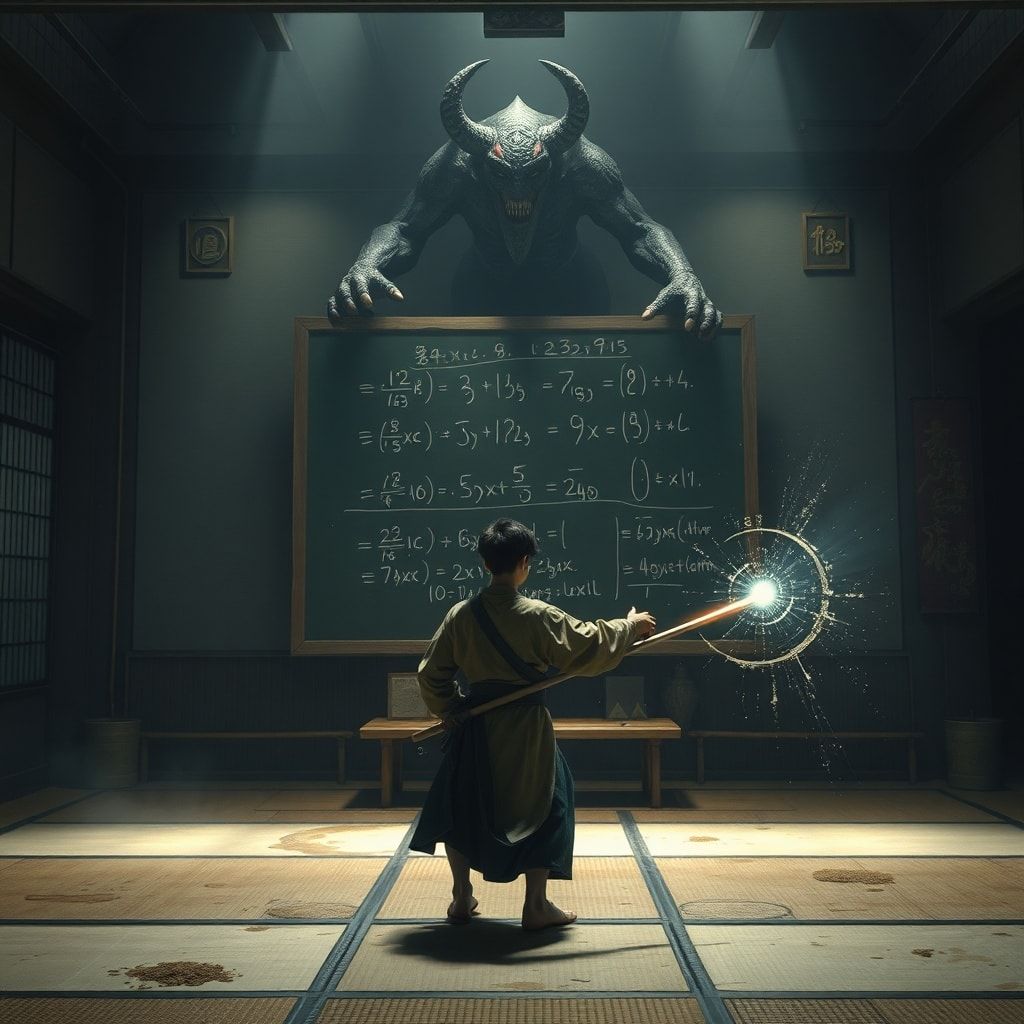
Looking back, Jujutsu Kaisen entered a market dominated by legacy titles like Bleach and Naruto, which relied on relatively static power hierarchies. Early adaptations of those series often froze the power scale after a certain point, leaving fans with a ceiling that rarely shifted. In contrast, Jujutsu Kaisen’s staff—particularly MAPPA’s director Sunghoo Park and character designer Tadashi Hiramatsu—embraced a fluid system where curses evolve, merge, and even reverse‑engineer each other’s techniques. This approach mirrors the industry’s broader trend toward “hard” power scaling, seen in series like Hunter x Hunter and My Hero Academia, where fans demand logical consistency. Moreover, the shift from traditional cel animation to digital hybrid pipelines allowed the studio to render cursed energy with unprecedented fidelity, making the abstract mathematics of the power scale visually digestible. The old guard might scoff at the relentless escalation, but the data shows that each new tier of power directly correlates with spikes in manga sales and streaming numbers, confirming that the audience rewards this complexity.
Technical Crunch: Information Gain on the Power Mechanics

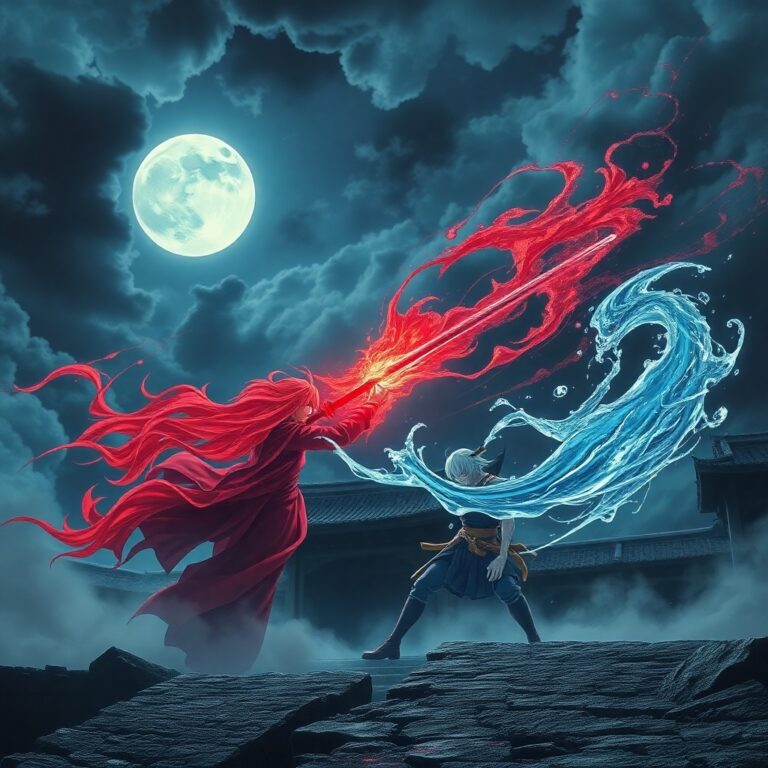
The Culling Game introduces a multi‑layered metric system: Domain Amplification, Reverse Cursed Technique, and the newly unveiled Quantum Binding. Domain Amplification quantifies the radius and potency of a sorcerer’s innate domain, measured in “Kaisen Units” (KU). Reverse Cursed Technique, once a niche skill, now scales with a sorcerer’s emotional resonance, granting a multiplier that can double or triple KU output. Quantum Binding, the most controversial, allows a sorcerer to temporarily hijack another’s cursed energy, effectively borrowing their KU for a limited window. These mechanics are not merely narrative fluff; they dictate combat outcomes, inform strategic positioning, and even affect the tournament’s scoring algorithm, which awards points based on net energy differential. Production designers translated these numbers into visual cues: a brighter aura indicates higher KU, while a flickering, fragmented aura signals Quantum Binding in progress. Understanding this triad is essential for any serious fan attempting to predict who will survive the next round of the Culling Game.
Future Implications for the Jujutsu Kaisen Power Scale
The culmination of the Culling Game will likely reset the power hierarchy, introducing a new generation of sorcerers who have internalized Quantum Binding as a baseline skill. This could lead to a permanent expansion of the power scale, where future arcs explore “meta‑curses” that manipulate the very rules of cursed energy. From a commercial standpoint, a higher ceiling means more merchandise opportunities—figurines that glow with variable intensity, collectible cards that track KU stats, and VR experiences that let fans simulate a Culling Game match. However, there’s a risk: if the scale escalates without narrative checks, it may alienate casual viewers who can’t keep up with the math. Balancing accessibility with depth will be the studio’s next big challenge.
Listen, kid, the moment you start treating cursed energy like a spreadsheet, you’ve already lost the soul of the series. The original charm was the gritty, unpredictable clash of wills, not a corporate KPI dashboard. The Culling Game’s brilliance lies in its ability to make every fight feel like a high‑stakes poker hand, where bluffing and sacrifice outweigh raw numbers.
That said, the franchise’s future hinges on how well it can weave those cold calculations back into the messy human drama that made us fall in love with Yuji’s reckless optimism. If MAPPA can keep the animation slick while letting the characters breathe, we’ll see a power scale that feels earned, not just inflated. Until then, keep your eyes on the numbers, but never forget the heart that pumps behind them.
Check out the Jujutsu Kaisen archives.