Jujutsu Kaisen power scaling: Unmasking the Shibuya Arc’s Mightiest Warriors
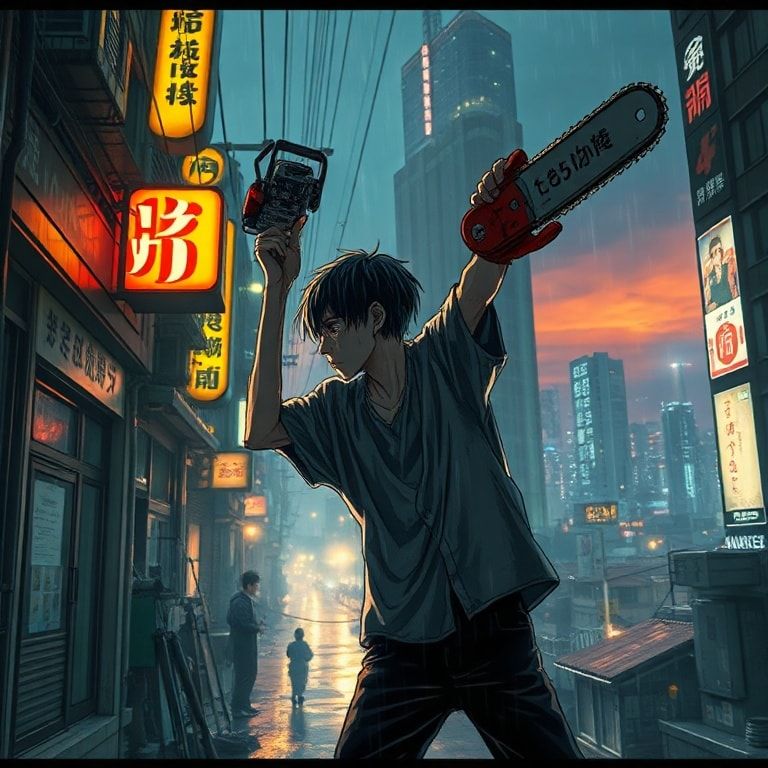
When the night of Halloween fell over Shibuya, the streets became a battlefield where curses and sorcerers clashed at unimaginable scales. Jujutsu Kaisen power scaling isn’t just a fan‑made spreadsheet; it’s the lens through which we gauge the narrative stakes and character hierarchies that drive the arc’s tension. In this deep dive, we’ll rank the strongest fighters, dissect the mechanics that make them tick, and forecast how these power dynamics will shape the series’ future.
Verified News & Source Context
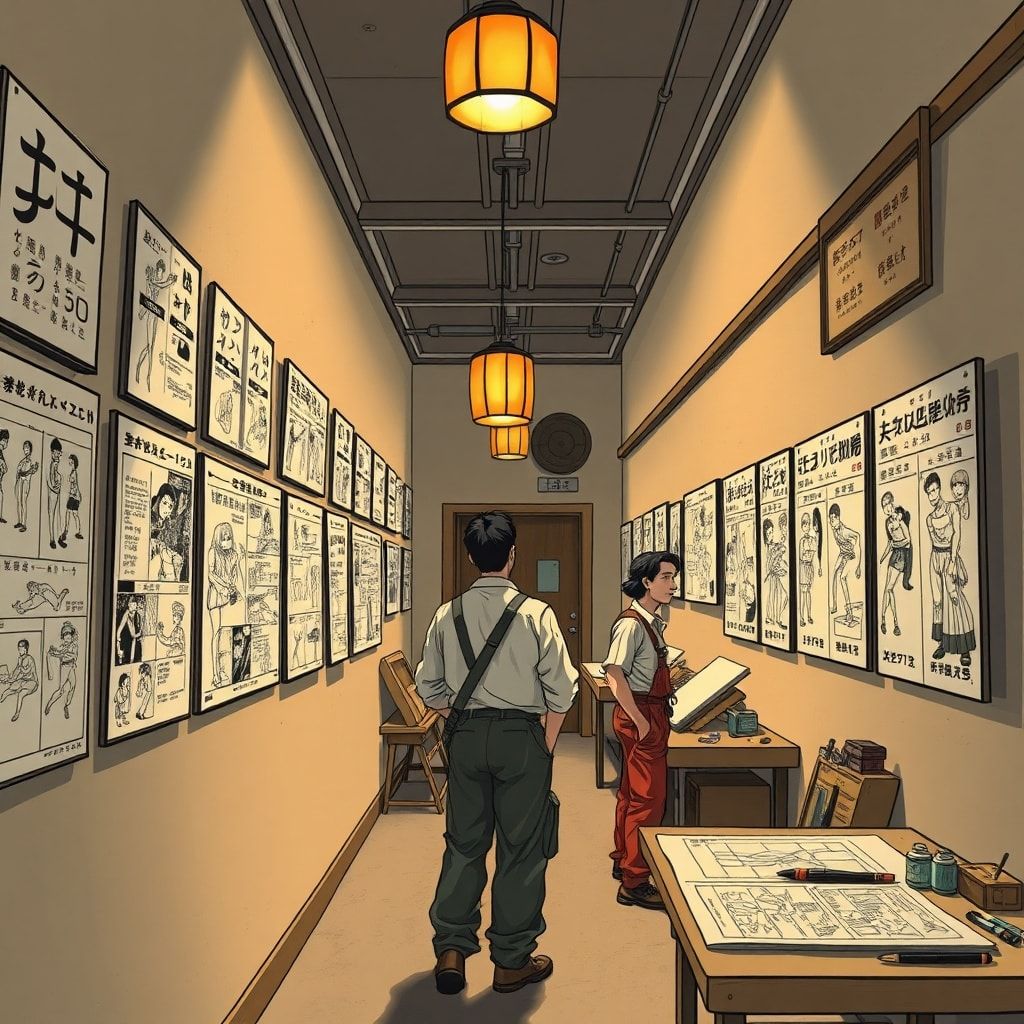
The official project page notes that Satoru Gojo stands as the preeminent sorcerer in modern Jujutsu society, a claim reinforced by his effortless dismantling of high‑grade curses. Meanwhile, Ryomen Sukuna’s fragmented power—encapsulated in twenty cursed fingers—forces protagonist Yuji Itadori to ingest them, a narrative device that both fuels the plot and serves as a literal power gauge. The Shibuya Arc, set on Halloween night, escalates these stakes: Gojo’s sealing by the Prison Realm not only removes the series’ strongest shield but also triggers a cascade of confrontations among top‑tier sorcerers and curses. By December 2025, the manga surpassed 150 million copies worldwide, underscoring its cultural penetration and the commercial weight behind every power reveal. Production-wise, the arc’s animation leveraged cutting‑edge CGI to visualize Infinity’s distortion fields, a move that sparked debate among purists but ultimately highlighted the series’ willingness to push visual boundaries. For further verification, consult the official project page which catalogs sales milestones, serialization dates, and staff credits.
Old Guard Perspective: Historical Context
Looking back, the Shibuya showdown echoes the climactic arcs of earlier shōnen titans such as “Naruto”’s Fourth Great Ninja War and “Bleach”’s Thousand‑Year Blood War. Those series also relied on a clear power hierarchy, where a single character—Naruto’s Nine‑Tails or Ichigo’s Quincy heritage—served as the narrative apex. Jujutsu Kaisen, however, differentiates itself by distributing power across both human sorcerers and autonomous curses, creating a more fluid ladder of strength. Studio MAPPA’s evolution from the gritty realism of “Dororo” to the kinetic flair of “Attack on Titan: The Final Season” informs its handling of Shibuya: the studio now blends hand‑drawn keyframes with digital effects to convey cursed energy’s intangible nature. Staff turnover, notably the addition of seasoned fight director Takahiro Umehara, has refined the choreography, making each clash feel like a chess match rather than a brawl. Market shifts toward binge‑watching also pressured the adaptation to condense complex power explanations into visual shorthand, a trend that mirrors Netflix’s handling of “One‑Punch Man”. The old guard’s perspective appreciates these nods to legacy while critiquing the occasional reliance on spectacle over substance.
Technical Crunch: Jujutsu Kaisen power scaling Mechanics
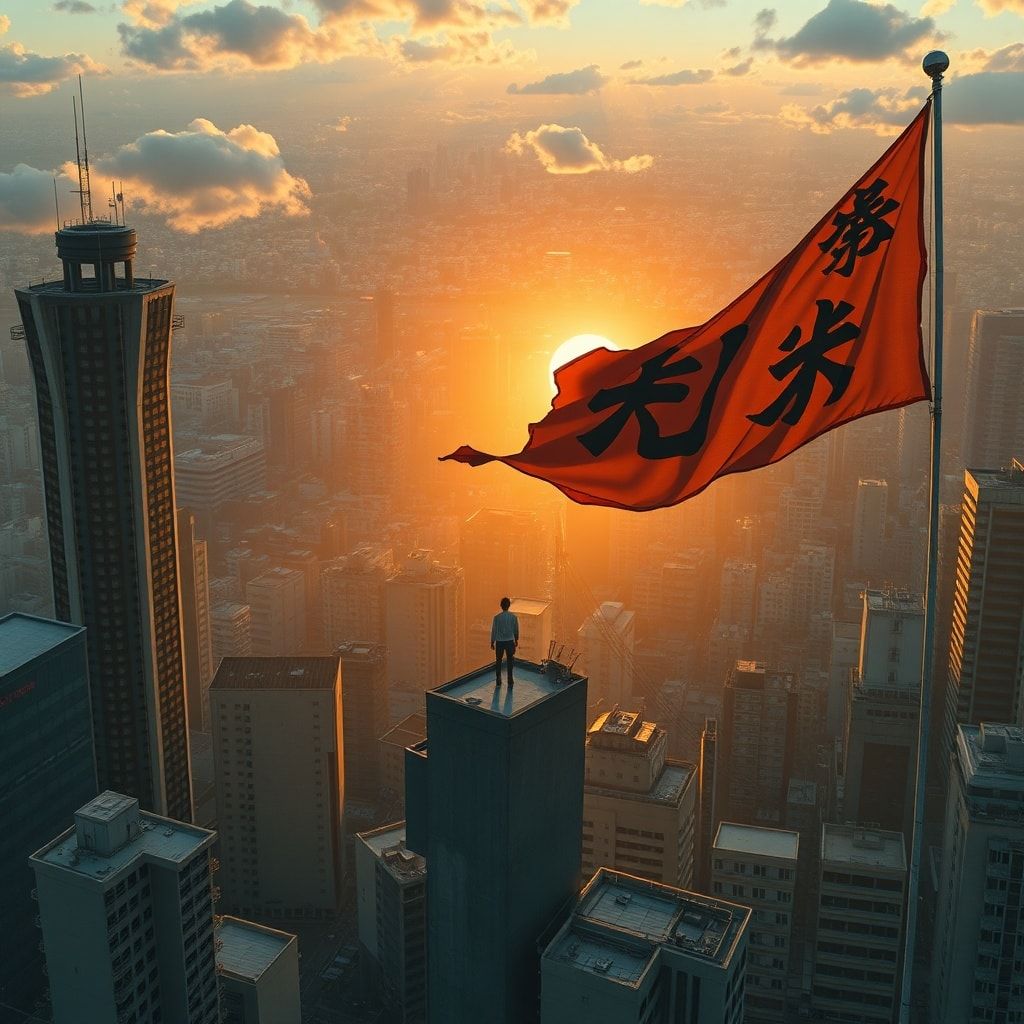
At its core, Jujutsu Kaisen’s power system hinges on two quantifiable metrics: Cursed Energy (CE) volume and Technique Efficiency (TE). CE represents raw spiritual output, measured in “units” that correlate with a sorcerer’s physical stamina and emotional intensity. TE, on the other hand, gauges how cleverly a practitioner converts CE into a technique, often expressed as a percentage multiplier. Gojo’s Limitless, for instance, boasts a staggering CE reserve (estimated at >10,000 units) coupled with near‑perfect TE, allowing him to manipulate space without depleting stamina. Sukuna’s fingers each contain a fragment of his original CE pool, roughly 500 units per finger, but his TE is legendary, granting him domain expansions that eclipse most sorcerers. Yuji’s hybrid status—human host to a curse—introduces a unique variable: the “Host‑Curse Sync Ratio,” which determines how much of Sukuna’s CE he can safely channel without losing control. This ratio currently sits at 12%, explaining why Yuji can only unleash limited techniques despite ingesting multiple fingers. Production designers visualized these stats through color‑coded aura halos and on‑screen readouts, a subtle nod to video‑game HUDs that enhances audience comprehension. Understanding these mechanics is crucial for any scaling discussion, as they provide a framework to compare seemingly disparate abilities like Mahito’s Idle Transfiguration versus Geto’s Cursed Spirit Manipulation.
Future Implications for the Shibuya Arc
The aftermath of Gojo’s sealing sets a domino effect that will reverberate through subsequent arcs. With the strongest shield removed, lower‑tier sorcerers are forced to innovate, potentially leading to the emergence of new techniques that blend traditional jujutsu with modern technology—a trend already hinted at in the manga’s post‑Shibuya chapters. Moreover, the fragmentation of Sukuna’s power raises the specter of a “finger war” where multiple factions vie for dominance, a narrative avenue that could expand the series’ world‑building and introduce fresh antagonists. From a commercial standpoint, the arc’s high‑stakes drama has already boosted merchandise sales, prompting the studio to green‑light a spin‑off focusing on Mahito’s evolution, which would satisfy fans hungry for deeper villain perspectives.
And let’s not forget the business angle—studio MAPPA’s gamble on high‑budget CGI for Infinity’s visual effects paid off, but it also set a new benchmark that other shōnen adaptations will scramble to meet. If the next season leans into the “post‑Gojo” power vacuum, we’ll likely see a surge of fan‑theories, merch drops, and maybe even a live‑action spin‑off that tries to capture that gritty, street‑level vibe. Bottom line: the Shibuya Arc isn’t just a climax; it’s a launchpad, and anyone who thinks the series will plateau after Gojo’s return is living in a fantasy world.
Check out the Jujutsu Kaisen archives.