Koh Samui Budget Blowout: How to Live Like a King on 5 Days Without Going Broke
Dreaming of turquoise waters and palm‑swayed nights but your wallet’s screaming ‘nope’? The Koh Samui budget guide slaps reality into your travel fantasies, promising five days of island bliss without selling a kidney. Yet every cheap thrill hides a hidden cost—whether it’s a busted motorbike helmet or an unexpected tuk‑tuk surcharge—so you’ll need a game plan sharper than a sushi knife.
Verified News & Source Context for Koh Samui Budget Travelers
Thailand’s Tourism Authority has been blunt: motorbikes are cheap and convenient, but they’re also the leading cause of accidents on the island. This duality forces budget travelers to weigh the low rental fee (often under 200 THB per day) against the cost of helmets, insurance, and potential medical bills. The authority’s advisory to always wear a helmet, never drink and drive, and adopt defensive riding isn’t just safety fluff—it’s a financial safeguard. A single crash can wipe out a week’s budget in a flash.
Negotiation is another hidden expense. Official guidelines explicitly state that all taxi and tuk‑tuk fares should be negotiated before departure. In practice, unsuspecting tourists often accept inflated quotes, turning a 300 THB ride into a 600 THB ordeal. Mastering the art of haggling can save you up to 30 % on short hops, preserving funds for meals and excursions.
Dress code etiquette also carries subtle financial implications. Women must avoid topless beachwear, and men should only go shirtless on the sand, not in restaurants or public streets. Ignoring these norms can lead to uncomfortable confrontations or even fines, which can be avoided by packing a few modest swim shirts—an inexpensive addition that keeps you on the right side of Thai cultural expectations.
The island’s compact size—small enough to circle in a couple of hours by motorbike or car—means you can map out a self‑drive itinerary that maximizes sight‑seeing while minimizing fuel costs (roughly 30 THB per liter). Knowing you can hit the Big Buddha, Hin Ta & Hin Yai, and the Fisherman’s Village in a single day lets you allocate more budget to night markets and local cuisine.
Finally, Koh Samui sits at the heart of an archipelago of over 80 islands, including the pristine Ang Thong National Marine Park. Day‑trip packages to Ang Thong can be as low as 1,200 THB if booked locally, offering snorkeling, kayaking, and hiking without breaking the bank. Understanding this geographic context helps you plan budget‑friendly island hopping.
For the official source of these guidelines, visit the official project page.
Historical Context: The Old Guard’s Take on Island Budgeting
Back in the early 2000s, budget travel to Koh Samui was chronicled in thick, dog‑eared guidebooks that listed hostel prices in baht and warned about “motorbike mayhem.” Those publications painted a picture of backpackers surviving on fried rice and cheap beers, with little emphasis on safety or cultural etiquette. The old guard’s narrative was romanticized—danger was part of the adventure, and negotiating fares was a rite of passage.
Fast forward to the digital age, and the paradigm has shifted dramatically. Online forums, Instagram influencers, and YouTube vloggers now dominate the information flow, offering real‑time price updates, video tutorials on helmet fitting, and live negotiations with tuk‑tuk drivers. Studios that once produced glossy travel magazines have pivoted to content farms, churning out SEO‑optimized articles that embed the exact phrase “Koh Samui budget” to capture search traffic.
Studio trends also reflect a broader market shift: from solo backpacker narratives to family‑friendly, eco‑conscious travel. The rise of sustainable tourism has introduced new budget categories—like renting electric scooters instead of gasoline‑guzzling motorbikes—while still keeping costs low. Staff evolution is evident in the expertise of modern writers, who blend local insider knowledge (e.g., helmet laws) with data‑driven budgeting tools.
Market dynamics have forced traditional travel agencies to adapt or perish. Those that cling to outdated, one‑size‑fits‑all packages lose relevance, while agile players who incorporate safety advisories and cultural tips into their itineraries capture the savvy traveler. The old guard’s legacy lives on in the cautionary tales of reckless riders, but the modern budget traveler is armed with a smartphone, a helmet, and a negotiation script.
Technical Crunch: Numbers, Gear, and Logistics
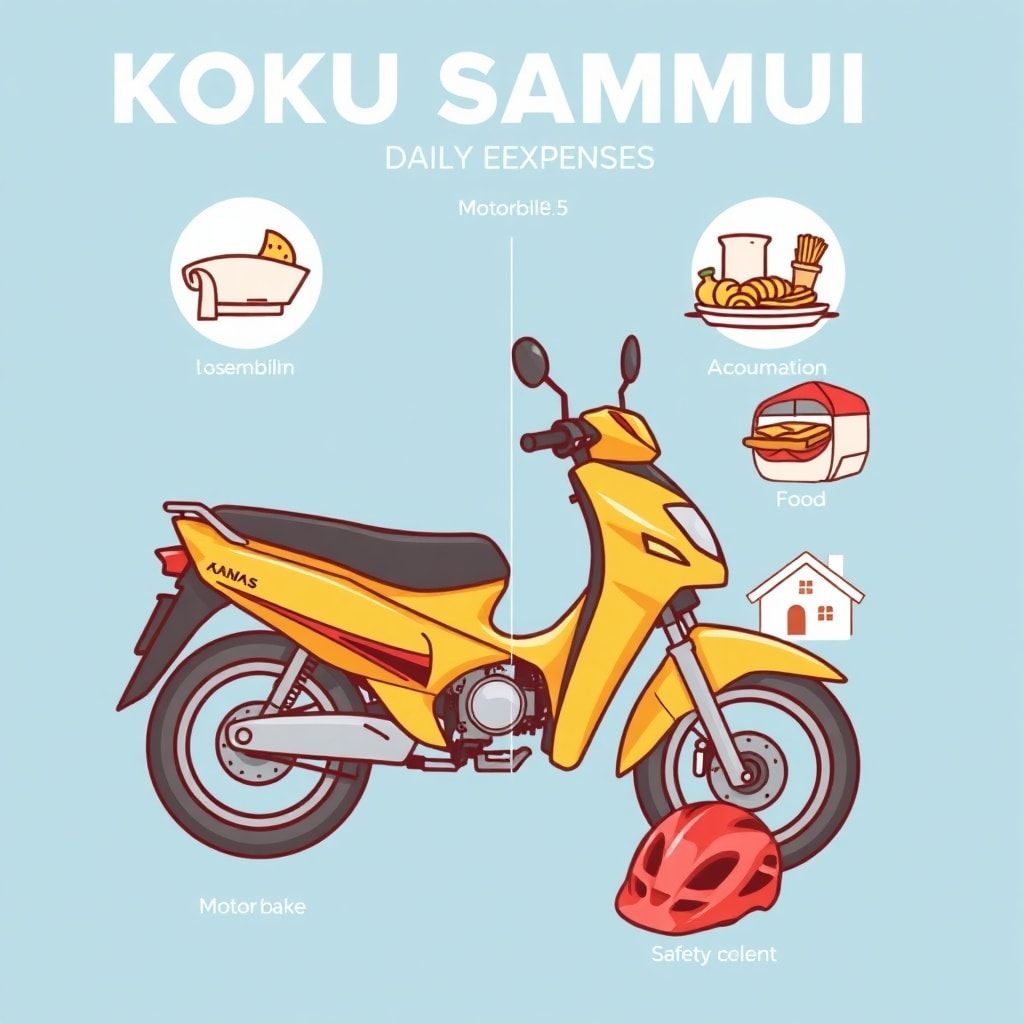
Let’s dissect the numbers. A five‑day Koh Samui budget can be sliced into four primary buckets: accommodation, food & drink, transportation, and activities. Hostels and budget guesthouses average 400‑600 THB per night; for five nights, that’s 2,000‑3,000 THB. If you opt for a private room in a modest bungalow, expect 800‑1,200 THB per night, nudging the total to 4,000‑6,000 THB.
Food is where you can truly stretch a baht. Street stalls serve Pad Thai for 40‑60 THB, fresh fruit smoothies for 30‑50 THB, and grilled fish for 80‑120 THB. Assuming three meals a day at an average of 80 THB, you’ll spend roughly 1,200 THB over five days. Add a few splurges—like a beachfront dinner at 300 THB per person—and you’re still comfortably under 2,000 THB.
Transportation is the most variable factor. Renting a motorbike costs 150‑250 THB per day, plus 30‑40 THB for fuel per 100 km. If you plan to circumnavigate the island twice (≈140 km total), fuel will be about 80 THB. Helmet rental or purchase (a decent helmet is ~500 THB) is a one‑time expense that pays off in safety and insurance savings. For those wary of two‑wheel chaos, negotiated tuk‑tuk rides at 300‑400 THB per short hop can replace a motorbike, but the cumulative cost may rise to 1,500 THB over five days.
Activities: a day trip to Ang Thong National Marine Park (including boat, snorkel gear, and lunch) averages 1,200‑1,500 THB. A waterfall hike or temple visit is often free or a modest donation of 20‑50 THB. Budget travelers can fit one major excursion and a handful of free attractions within a 2,000 THB activity budget.
Summing up, a lean yet comfortable five‑day itinerary lands around 6,000‑8,000 THB (≈ $170‑$225 USD). Add a safety buffer of 1,000 THB for unexpected expenses—like a helmet fine or a last‑minute taxi negotiation—and you’ve got a solid Koh Samui budget plan that respects both your wallet and the island’s regulations.
Future Implications of a Smart Koh Samui Budget Strategy
The trajectory of budget travel on Koh Samui points toward a convergence of safety, sustainability, and digital empowerment. As Thailand tightens helmet enforcement and expands public awareness campaigns, travelers who already factor safety gear into their budgets will find themselves ahead of the curve, avoiding fines and medical costs. Moreover, the government’s push for eco‑tourism—promoting electric scooters and bike‑share programs—could lower transportation expenses further, provided travelers adapt to the new tech.
From a cultural standpoint, respecting dress codes and negotiating fares responsibly fosters goodwill between tourists and locals, which can translate into better service, insider tips, and even discounted rates for repeat visitors. This soft power dynamic may encourage the tourism board to formalize “budget traveler” certifications, offering official discounts to those who complete a safety briefing.
Economically, the rise of budget‑focused itineraries could diversify Koh Samui’s revenue streams beyond luxury resorts. Small guesthouses, local eateries, and community‑run tour operators stand to benefit from a steady influx of cost‑conscious travelers. This democratization of tourism may also spur infrastructure improvements—like better signage for helmet laws and clearer fare negotiation guidelines—making the island more navigable for all.
However, there are risks. Over‑tourism, even at a budget level, can strain resources, leading to congestion on popular beaches and increased accidents if safety measures lag. The island’s capacity to handle a surge of cheap‑travel seekers will depend on proactive policy, community engagement, and continuous education about responsible travel.
Related Guides & Further Reading
Check out the Koh Samui archives.