Master the Shield Hero watch order: A Veteran’s Blueprint for Every Season
If you’ve ever tangled with the endless debates on the optimal Shield Hero watch order—check out our master anime watch order hub—you know the stakes are higher than a Level 99 boss fight. The series’ sprawling timeline and staggered releases have left newcomers scrambling for a coherent binge‑list. Miss a season and you risk spoilers that can ruin the delicate balance of Naofumi’s redemption arc.
Verified News & Source Context
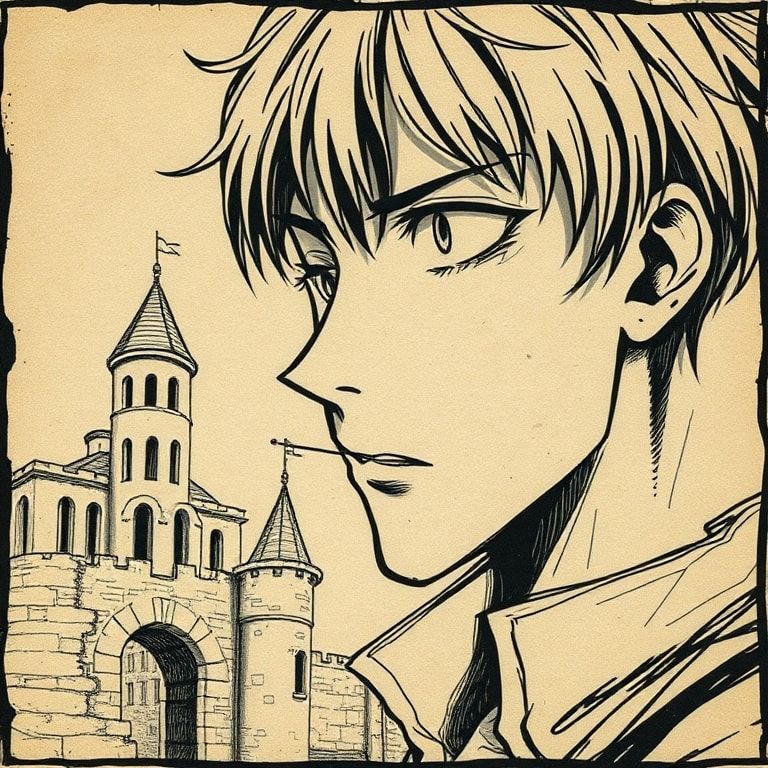
The first season of The Rising of the Shield Hero debuted with 25 episodes from January 9 to June 26, 2019, establishing the franchise’s dark‑fantasy tone and introducing Naofumi’s reluctant heroism. Production was handled by Kinema Citrus, a studio known for its meticulous animation quality, which set a high bar for subsequent seasons. The second season, co‑produced with DR Movie, aired from April 6 to June 29, 2022, marking a notable shift in animation style and pacing, reflecting both budgetary adjustments and audience feedback. Season three continued the momentum, broadcasting from October 6 to December 22, 2023, and expanded the world‑building with deeper dives into the inter‑dimensional politics that drive the plot. The fourth season, released between July 9 and September 24, 2025, pushed the narrative into uncharted territories, exploring the consequences of Naofumi’s earlier decisions and introducing new antagonists that challenge the core themes of trust and betrayal. All four seasons are globally streamed on Crunchyroll, which also offers an English dub, ensuring accessibility for a worldwide audience. For official details, consult the official project page.
Historical Context: The Old Guard Perspective
When the original web novel first surfaced in 2013, it entered a market saturated with isekai titles, yet its grim realism set it apart. Early adaptations, such as the 2014 light novel illustrations, leaned heavily on traditional fantasy tropes, but the anime’s 2019 debut broke that mold by embracing a morally ambiguous protagonist. Compared to contemporaries like Re:Zero or That Time I Got Reincarnated as a Slime, Shield Hero’s production timeline was unusually protracted, with a three‑year gap before the second season—a rarity in an industry that often favors annual releases to maintain momentum. This hiatus allowed the studio to reassess staff composition; director Takayuki Hirao stepped back, making way for Masato Jinbo, whose direction injected a sharper, more kinetic visual style in season two. Meanwhile, the broader anime market saw a shift toward streaming‑first releases, influencing Crunchyroll’s decision to secure both subtitled and dubbed streams simultaneously. The series also mirrored a broader trend of adapting darker, more complex source material, aligning it with titles like Attack on Titan that prioritize narrative depth over formulaic heroics. For a similar deep‑dive into another hit, see our Jujutsu Kaisen watch order guide.
Technical Crunch: Lore, Stats, and Production Design
At its core, Shield Hero’s lore hinges on the Four Legendary Heroes, each wielding a distinct artifact that defines their combat role. The Shield, unlike the sword, spear, or bow, operates on a defensive‑centric mechanic that translates into both narrative tension and gameplay‑inspired stat systems. Naofumi’s “Growth” metric, for instance, is tied to the number of “Trust Points” he accrues—a clever narrative device that quantifies character development through relationships rather than sheer combat prowess. Production designers meticulously crafted each world’s aesthetic to reflect these mechanics: the “Mullus” realm’s muted palette underscores its oppressive atmosphere, while the “Melromarc” kingdom bursts with vibrant hues, mirroring its political intrigue. Moreover, the series employs a layered sound design; the clank of the Shield is mixed with low‑frequency rumblings that signal impending danger, enhancing immersion. From a storyboard perspective, the use of split‑screen during multi‑character battles allows viewers to track simultaneous actions, a technique borrowed from video game UI design. These technical choices not only enrich the viewing experience but also reinforce the series’ thematic emphasis on cooperation versus isolation. If you enjoy dissecting production nuances, our My Hero Academia watch order breakdown offers comparable insight.
Future Implications & Shield Hero watch order Outlook
The franchise’s trajectory suggests a continued expansion beyond traditional anime formats. With the fourth season’s cliffhanger introducing a multiversal rift, speculation abounds about potential spin‑offs focusing on alternate heroes or even a live‑action adaptation—a move that aligns with the industry’s recent push toward cross‑media storytelling. Internationally, the series’ strong performance on Crunchyroll has opened doors for localized manga releases and merchandise collaborations, indicating a robust commercial pipeline. However, the narrative’s reliance on morally gray decisions may limit its appeal to younger demographics, prompting the studio to possibly tone down darker elements in future installments to broaden marketability. From a production standpoint, the partnership with DR Movie hints at a hybrid animation pipeline that could reduce costs while maintaining visual fidelity, a model other studios may emulate.
Listen, kid, after two decades of chasing every new shōnen hype, I’ve learned that a series like Shield Hero is a double‑edged sword—pun intended. The first two seasons were a masterclass in subverting expectations, but the third tried to sprint to a finish line that wasn’t even drawn yet. The pacing felt like a rushed side quest, and the fourth season’s attempt to patch narrative holes left you with more questions than a mystery novel’s footnotes. If you’re planning a marathon, don’t just click “play” and hope for the best; map out the character arcs, note the flashback episodes, and brace for the occasional filler that feels more like a commercial break than a story beat.
Looking ahead, the franchise’s next move could either cement its legacy or see it fade like a forgotten relic in a dungeon. The multiverse angle opens doors for fresh perspectives, but it also risks diluting the core themes that made Naofumi’s struggle resonate. Keep an eye on the studio’s announcements—if they bring in a new director with a track record for handling complex mythos, we might finally see a cohesive climax. Until then, respect the order, respect the lore, and never underestimate the power of a well‑timed shield block. That’s the veteran’s advice, and it’s cheaper than a therapist.
Related Guides & Further Reading
Check out the Shield Hero watch order archives.