Ravenna Budget Guide: How to Roam Italy’s Mosaic Gem Without Going Broke
If you think the Ravenna budget guide is just another bland travel checklist, think again. This city of mosaics can swallow a naïve backpacker’s cash faster than a black hole, but with the right intel you’ll emerge richer in stories, not debt. Strap on your worn‑out sneakers, grab a SmartPass, and let’s dissect how to squeeze two unforgettable days out of a shoestring. For a step‑by‑step stroll through the city’s mosaic‑laden streets, check out our Ravenna walking route.
Museum Entry & Transport Pass Details
MAR Museum Ticket Prices
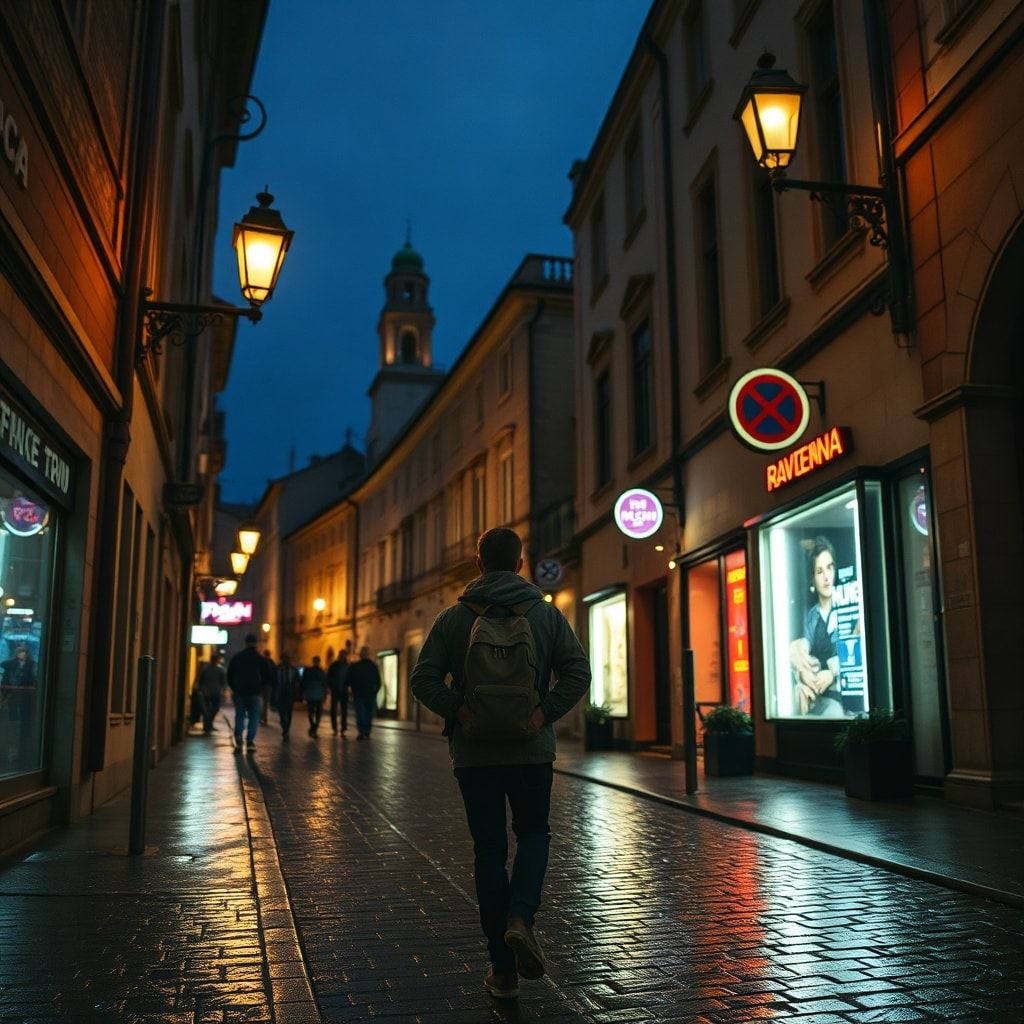
The first line of defense against overspending is knowing the exact cost of culture. The MAR – Museo d’Arte della Città di Ravenna charges €6 for full‑price tickets and €5 for reduced categories such as students, seniors, and teachers. Those numbers might look trivial, but they set a baseline for budgeting: two adults, a student, and a senior can experience the museum for just €21, a fraction of the typical museum fee in larger Italian cities. The museum’s schedule—open Tuesday to Sunday from 09:00 to 18:00, with the ticket office closing at 17:30—means you must plan your arrival early to avoid the rush‑hour scramble and the dreaded “sold‑out” feeling that haunts many backpackers. Our deep‑dive into budgeting for Ravenna (without having to sell a kidney) provides an even more granular breakdown of costs.
The MAR sits at Via di Roma, 13 (44.4179 N, 12.1974 E), a location easily reachable via the city’s bus network.
SmartPass Options and Savings
This is where the Start Romagna SmartPass becomes indispensable. For €11 you unlock unlimited travel across the province for three days; double that for a week at €22. Compare that to buying single‑ride tickets at €1.30 each—if you anticipate three rides per day, the SmartPass saves you roughly €7.50 in just two days. Even the 24‑hour Day Ticket for two zones, priced at €4.50, can be a viable fallback if you plan a single‑day sprint.
All these figures are corroborated by the official project page, which provides up‑to‑date pricing, opening hours, and GPS coordinates. Knowing the exact cost of each transport and entry point lets you craft a spreadsheet that looks less like a nightmare and more like a manageable adventure.
Evolution of Budget Travel Information for Ravenna

Back in the early 2000s, travel guides to Ravenna were thick, glossy tomes that emphasized luxury stays near the Piazza del Popolo and pricey guided tours of the Basilica of San Vitale. Those publications catered to a demographic with disposable income, often overlooking the gritty reality of a backpacker’s wallet. The “old guard” of travel writing treated the city as a museum piece, not a living, breathing hub for the wandering youth.
Fast forward to the present, and the paradigm has shifted dramatically. The rise of budget‑centric platforms—Backpackr, Hostelworld, and countless YouTube vloggers—has democratized information. This Ravenna budget guide reflects that evolution: it foregrounds public transport passes, reduced museum tickets, and free street‑level art. Moreover, the Italian tourism board’s push for sustainable travel has encouraged municipalities like Ravenna to keep entry fees low and promote multimodal transport, a stark contrast to the early‑2000s where car rentals and private tours dominated.
Studio trends also mirror this shift. While earlier travel media relied on static photography, today’s content creators employ dynamic, anime‑inspired visuals to capture the city’s whimsical side. This stylistic change isn’t just aesthetic; it signals a market where younger audiences expect storytelling that feels both nostalgic and fresh. The old guard’s heavy‑handed, price‑insensitive approach would crumble under the scrutiny of a generation that can calculate ROI on a spreadsheet while sipping espresso at a street stall.
Cost Breakdown for a Two‑Day Ravenna Itinerary
Let’s break down the numbers so you can see exactly where every euro lands.
| Day | Item | Cost (€) |
|---|---|---|
| Day 1 | 24‑hour Day Ticket (urban zone) | 4.50 |
| MAR museum – full‑price ticket | 6 | |
| Lunch at a local trattoria | 8 | |
| Basilica of San Vitale (free on first Sunday; otherwise €5) | 0 / 5 | |
| Total Day 1 | 23.50 | |
| Day 2 | 3‑day SmartPass (activated) | 11 |
| Dante Museum – reduced ticket | 5 | |
| Lunch from a street vendor | 5 | |
| Bike rental (2 hours @ €3/hr) | 6 | |
| Free concert in Piazza del Popolo (seasonal) | 0 | |
| Total Day 2 | 26 |
Add accommodation (average hostel dorm bed €20/night) and miscellaneous snacks (€5/day), and you’re looking at roughly €74.50 for two full days of immersive Ravenna experience. Compare that to a typical “mid‑range” itinerary that might easily breach €150 when factoring in private tours and central‑city hotels. The technical crunch reveals that the SmartPass is the linchpin: without it, you’d spend an extra €9‑10 on single rides alone. Understanding these mechanics empowers you to allocate savings toward experiences—like a sunset boat ride on the Adriatic—rather than forced compromises.
Future Outlook for Ravenna’s Budget‑Friendly Tourism
Looking ahead, Ravenna’s tourism model is poised to become a benchmark for other mid‑size Italian cities seeking to attract the backpacker demographic without sacrificing cultural integrity. The continued success of the SmartPass could inspire a regional “EuroPass” that links multiple provinces, further reducing friction for itineraries that hop from Ferrara to Ravenna to Rimini. Moreover, as climate‑conscious travel gains momentum, cities that offer robust public transport and low‑cost cultural access will likely see a surge in eco‑tourists, reshaping the visitor profile from luxury seekers to sustainable explorers.
Potential Benefits
This approach could lower barriers for young travelers, spread visitor traffic more evenly across the city, and generate steady revenue streams for local museums without relying on high ticket prices.
Risks and Challenges
However, there are risks. Should the municipality raise museum fees to offset maintenance costs, the delicate balance of affordability could tip, pushing budget travelers toward neighboring locales. Likewise, overtourism—already a concern in Venice—could seep into Ravenna’s historic districts if promotional campaigns outpace infrastructure upgrades. The key will be vigilant policy that preserves the city’s mosaic heritage while keeping the price tags modest.
The moment you step off the bus and hear the distant clang of a church bell, you’ll realize that Ravenna isn’t just a stop on a map; it’s a living lesson in how history can be consumed cheap and still taste rich. I’ve trekked through Kyoto’s neon alleys, survived the monsoon‑soaked streets of Bangkok, and still find myself grinning at the simplicity of a €5 museum ticket that opens a portal to the Byzantine era.
Don’t be fooled by glossy Instagram reels that promise “luxury on a shoestring.” The real treasure is learning to read the timetable, swapping a pricey taxi for a 24‑hour Day Ticket, and savoring a slice of pizza that costs less than a latte in Milan. In the end, the only thing you’ll regret is not buying that extra SmartPass when you had the chance—because the freedom it grants is worth every cent, and the stories you’ll tell will echo louder than any five‑star review.
Related Guides & Further Reading
Check out the Ravenna archives.