Rome Budget Survival Guide: How to Roam the Eternal City Without Going Broke
ATAC Public‑Transport Passes: Options, Prices & How to Use Them
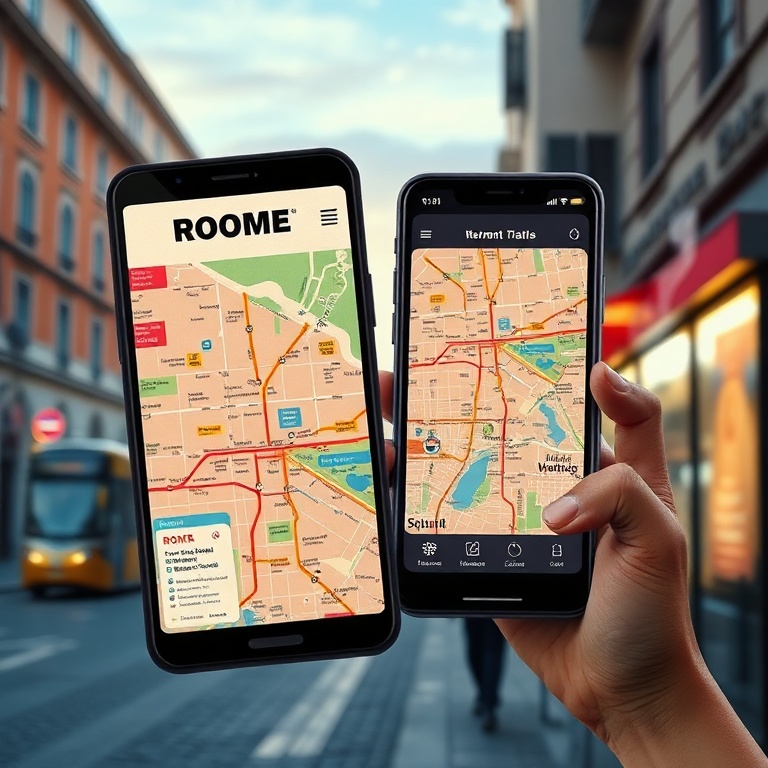
Rome’s public‑transport authority ATAC has streamlined its fare structure for the budget‑savvy explorer. The 24‑hour ticket, priced at €8.50, unlocks unlimited rides on buses, trams, and the metro for a full day from the moment you validate it.
For those who plan to linger longer, the 48‑hour pass at €15.00 and the 72‑hour pass at €22.00 extend that freedom, each offering a clear cost‑per‑day advantage over single‑ticket purchases. The Integrated Weekly Card (CIS) at €29.00 caps the week’s travel expenses, making it a no‑brainer for itineraries that span seven days or more.
Explore the full Rome budget hub for a quick overview of all savings options. If you’re aiming to stretch that budget even further, our guide on roaming the Eternal City on just $30 a day offers a day‑by‑day breakdown.
Where to Purchase ATAC Passes
All tickets can be grabbed at ATAC vending machines, ticket offices, authorized retailers, or via the sleek B+ and Tap & Go contactless apps, meaning you never have to hunt down a physical booth in the middle of the night.
ATAC Pass Summary
| Pass | Price | Validity |
|---|---|---|
| 24‑hour ticket | €8.50 | Unlimited rides for 24 hours |
| 48‑hour pass | €15.00 | Unlimited rides for 48 hours |
| 72‑hour pass | €22.00 | Unlimited rides for 72 hours |
| Weekly CIS card | €29.00 | Unlimited rides for 7 days |
Cost Analysis for Solo Travelers
Let’s break down the economics of the ATAC passes.
| Pass | Price | Average Cost per Day | Average Cost per Ride* |
|---|---|---|---|
| 24‑hour ticket | €8.50 | €8.50 | ≈ €0.28 (30‑stop journey) |
| 48‑hour pass | €15.00 | €7.50 | — |
| 72‑hour pass | €22.00 | €7.33 | — |
| Weekly CIS card | €29.00 | €4.14 | — |
*Cost per ride is calculated only for the 24‑hour ticket, based on an average of 30 stops per day.
For a solo traveler who plans to explore the Vatican, Trastevere, and the Appian Way, the weekly card is often the sweet spot, especially when combined with occasional night buses that are free after 10 pm on weekends. Our solo shoestring guide dives deeper into hidden gems and money‑saving hacks tailored for the lone wanderer.
Colosseum “Full Experience” vs. Separate Tickets
| Option | Price | What’s Included |
|---|---|---|
| Full Experience ticket | €22.00 | Arena access + underground tunnels + 2‑day Forum Pass |
| Separate tickets | €42.00 | €16 arena + €12 tunnels + €14 Forum |
The bundled price saves you €20, a 48 % discount. When you factor in the opening hours (08:30‑19:15) and the last admission cutoff (18:15), you can schedule a morning visit to the arena, a midday break for a cheap panino, and an afternoon stroll through the Forum, maximizing both time and budget.
Colosseum “Full Experience” Ticket – Details & Pricing
The Colosseum’s “Full Experience” ticket, at €22.00, bundles arena access, underground tunnels, and a two‑day Forum Pass, delivering a comprehensive historical immersion without the need for multiple bookings. Knowing the exact opening hours—08:30 to 19:15 during the 2024 season, with the last admission at 18:15—lets you schedule your day with precision. All of these details are corroborated on the official project page, ensuring you’re reading the most up‑to‑date information straight from the source.
Evolution of Rome’s Budget‑Travel Infrastructure
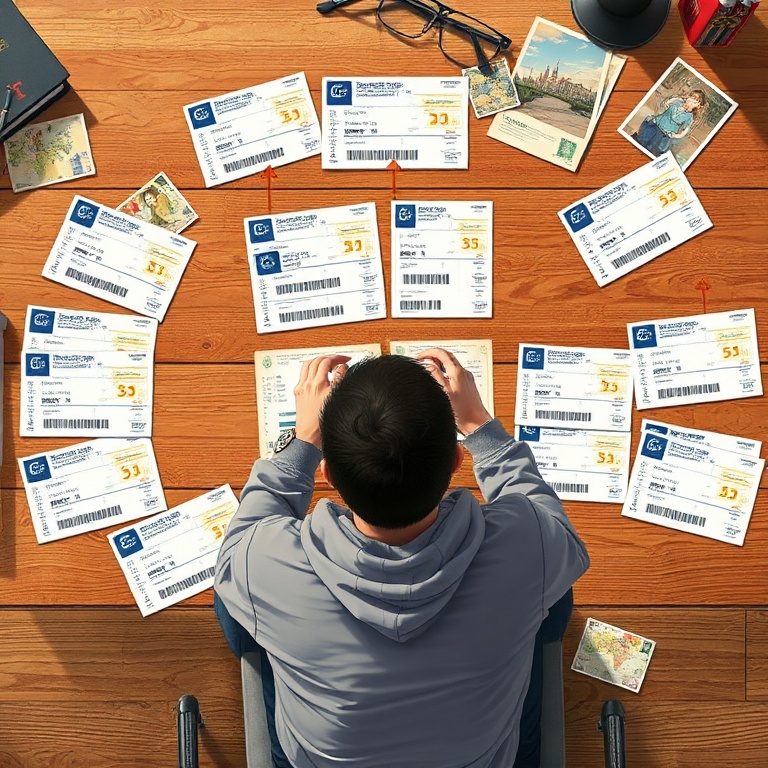
Back in the early 2000s, budget travelers to Rome relied on paper‑based weekly tickets that cost upwards of €35, often purchased at crowded kiosks near Termini. Those passes lacked the digital flexibility we enjoy today, and the fare zones were less intuitive, forcing tourists to purchase multiple tickets for the same journey.
The introduction of contactless payment in 2018 marked a seismic shift: the B+ card allowed instant validation, and the Tap & Go app brought real‑time balance checks to the palm of your hand.
Moreover, the Colosseum’s ticketing system has undergone a similar metamorphosis. In the 1990s, visitors queued for paper tickets, often paying extra for guided tours that were not included in the base price. Today, the “Full Experience” ticket consolidates multiple attractions into a single digital pass, echoing the way long‑running anime franchises bundle OVAs, movies, and spin‑offs into comprehensive box sets.
Upcoming Trends Shaping Budget Travel in Rome
Looking ahead, ATAC is piloting a dynamic pricing model that could adjust fares based on real‑time demand, much like surge pricing in ride‑share apps. If implemented, solo travelers who stick to off‑peak hours—early mornings or late evenings—could see further reductions, while peak‑hour tourists might face modest hikes.
Additionally, the EU’s push for integrated ticketing across member cities may soon allow a single smart card to work in Paris, Berlin, and Rome, streamlining the budget traveler’s toolkit.
For the Colosseum, the administration is testing augmented‑reality tours that overlay historical battle scenes onto the ruins, potentially adding a premium layer. Savvy nomads will need to weigh the added value against any extra cost, much like deciding whether to upgrade an anime Blu‑ray for the director’s cut.
Logbook Tips for the Budget‑Conscious Solo Explorer
Listen up, green‑horns: the only thing cheaper than a busted ATAC ticket is the regret of missing a free night bus because you were too proud to check the schedule. The city’s transit network is a living, breathing beast—its veins pulse with tourists, its arteries clogged by rush‑hour commuters. If you treat it like a side‑quest in a shōnen series, you’ll waste time grinding for tickets you don’t need. Instead, grab the weekly CIS, set your alarms for the 10 pm free‑ride window, and let the city’s neon glow guide you to hidden trattorias where the pizza slices cost less than a single metro ride.
And don’t even get me started on the Colosseum’s “Full Experience.” It’s a masterstroke of bundling—like a limited‑edition manga box set that includes the manga, the artbook, and a poster. You pay once, you get the arena, the tunnels, and the Forum, all in one go. The only trap is the temptation to over‑plan every minute, turning your Rome adventure into a checklist. Remember, the best stories are those where the protagonist gets lost, discovers a back‑alley espresso bar, and learns that the journey matters more than the ticket price. Keep your wallet light, your curiosity heavy, and your anime references heavier.
Related Guides & Further Reading
Related Guides & Further Reading
Check out the Rome Budget archives.
Check out the rome-budget archives.
or