Survive and Thrive: The Ultimate Yogyakarta Budget Guide for Nomadic Otakus
Ever wondered how to stretch a few hundred thousand rupiah while still soaking up the mystic vibes of Java? The Yogyakarta budget guide is your passport to a wallet‑friendly adventure that doesn’t skimp on culture. Miss the boat and you’ll be stuck in overpriced hostels, dreaming of the water‑castle’s misty reflections and the royal court’s golden arches.
Verified Ticket Prices & Practicalities in the Yogyakarta budget guide
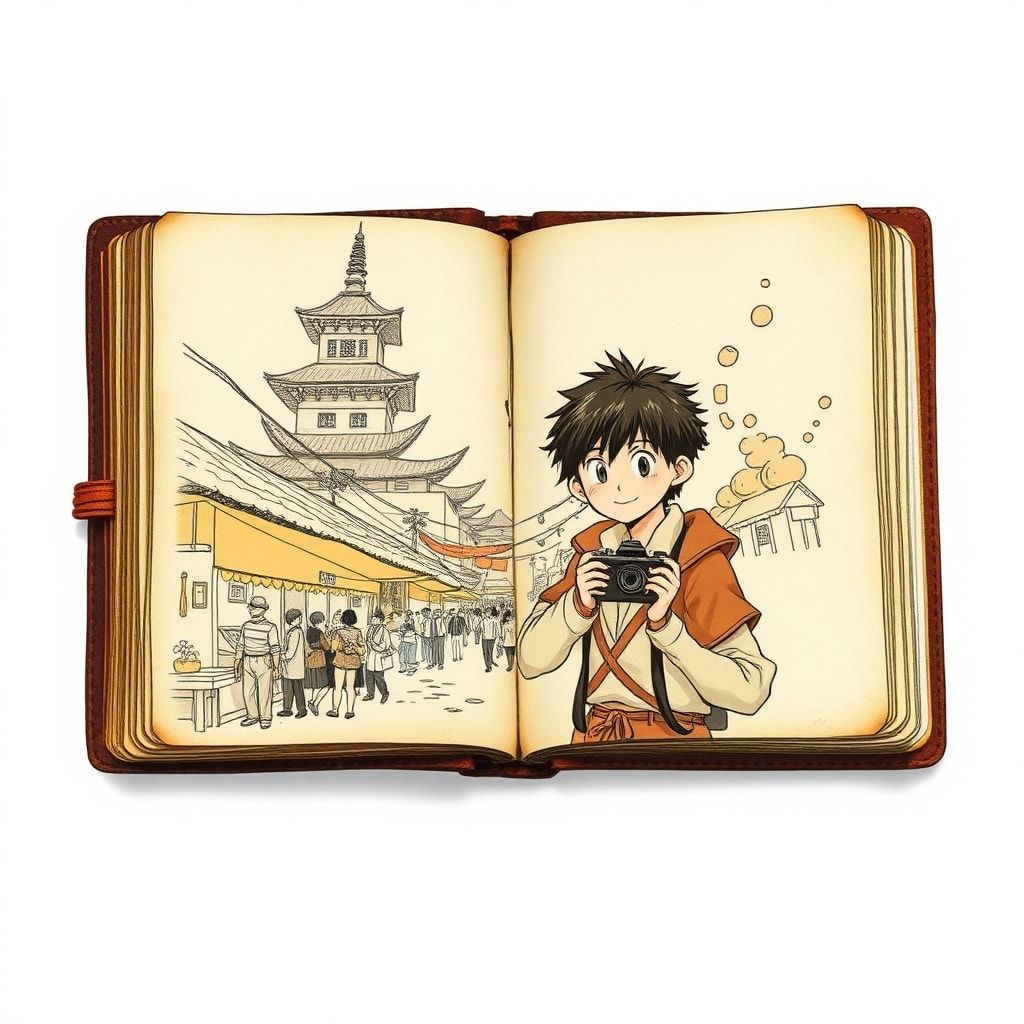
Let’s start with the cold, hard numbers that the official project page dishes out. Kedhaton (the Sultan’s palace) asks domestic adults Rp15,000, kids 2‑12 pay Rp10,000, while foreigners cough up Rp25,000 and Rp20,000 respectively. Children under two slip in free, a tiny loophole that savvy families exploit. Wahanarata (the Railway Museum) nudges domestic adults to Rp20,000, kids to Rp15,000, foreigners to Rp30,000 and Rp25,000. Tamansari (the Water Castle) mirrors Kedhaton’s rates. These fees are not arbitrary; they fund preservation, guide salaries, and the ever‑expanding souvenir shops that line the courtyards. Opening hours matter too: Kedhaton shuts its doors at 14:00, so you’ll need an early start; Wahanarata lingers until 15:00, giving you a buffer after lunch; Tamansari is the most forgiving, open daily 09:00‑15:00. Understanding these windows prevents the classic tourist mistake of arriving at a closed gate, saving both time and the inevitable “I‑should‑have‑checked‑the‑schedule” regret. The age classification—0‑2 free, 2‑12 ticket required, 13+ adult—mirrors Indonesia’s education system, aligning with the 6th‑grade cutoff, which is why many schools schedule field trips around these ages. For the budget‑conscious nomad, grouping visits by opening hours (e.g., Kedhaton then Tamansari) maximizes sightseeing while minimizing transport costs, a strategy that seasoned otaku travelers swear by.
Old Guard Perspective: How Yogyakarta’s Heritage Sites Evolved Over Decades

Back in the 1990s, Yogyakarta’s heritage attractions were the domain of domestic pilgrims and a handful of intrepid backpackers. Ticket prices were nominal, often under Rp5,000, reflecting a post‑Suharto era where tourism infrastructure was still embryonic. The Kraton, once a closed royal enclave, opened its gates only after pressure from UNESCO and a burgeoning global curiosity about Javanese court culture. Fast forward to the early 2000s, and you see a shift: the Indonesian government began standardizing fees, introducing foreign‑differentiated pricing to capture hard‑currency tourists while shielding locals from price inflation. Studios like Gadjah Mada University’s cultural department started collaborating with tourism boards, producing promotional anime‑styled brochures that turned the Water Castle into a “must‑see” for anime fans. This cross‑media push coincided with the rise of low‑cost airlines, flooding Yogyakarta with a new wave of budget travelers who demanded both authenticity and Instagram‑ready backdrops. The evolution of ticket structures mirrors broader market trends—higher foreign fees fund restoration projects, while domestic rates stay low to preserve local access. Understanding this trajectory helps you anticipate future changes: expect more tiered pricing, perhaps dynamic pricing during peak festivals like Sekaten, and a possible rise in bundled tickets that combine multiple sites into a single pass, a move studios have already hinted at in their upcoming promotional videos.
Technical Crunch: Decoding Entry Fees, Hours, and Age Classifications
Let’s dissect the mechanics behind the numbers. The fee differentials (domestic vs. foreign) are calculated using a conversion factor tied to the average monthly disposable income of Indonesians, roughly Rp3‑4 million, versus the average foreign tourist’s budget, which can be ten times higher. This ensures that revenue generation does not alienate local families who view these sites as cultural heritage rather than a commercial product. The age brackets align with Indonesia’s compulsory education system: children 2‑12 are typically in primary school (grades 1‑6), making them eligible for child tickets; 13+ are considered secondary students or adults. The free entry for infants (0‑2) reflects a societal norm that toddlers are not yet “cultural consumers.” Opening hours are strategically set to balance preservation (limiting exposure to sunlight for delicate frescoes) and visitor flow. For instance, Kedhaton’s early closing at 14:00 reduces heat stress on wooden structures, while Tamansari’s later closure accommodates afternoon picnics by the moat. From a logistics standpoint, these schedules allow staff to perform maintenance between visitor windows, a practice that reduces long‑term restoration costs. For the budget traveler, this knowledge translates into a tactical itinerary: hit Kedhaton at 08:30, then cross to Tamansari before the 12:00 lunch rush, and finish with Wahanarata’s train exhibits just before the 15:00 shutdown, squeezing three major sites into a single day without extra transport fees.
Future Implications: Budget Travel Trends and Cultural Preservation in Yogyakarta
The next decade promises a convergence of digital tourism and sustainable budgeting. The government is piloting a blockchain‑based ticketing system that could issue smart‑contracts for entry, allowing travelers to purchase multi‑site passes at a discount while ensuring that a portion of each transaction is automatically allocated to conservation funds. This could reshape the “foreign vs. domestic” pricing model, making it more transparent and potentially leveling the playing field for regional tourists from neighboring ASEAN countries. Moreover, the rise of AR‑enhanced guide apps—already in beta for the Kraton—will let visitors overlay historical narratives onto ruins, turning a simple walk into an interactive storybook. For otaku nomads, this means you can experience a “live‑action” version of your favorite period anime without breaking the bank. However, there’s a risk: over‑digitization may dilute the tactile, sensory experience that makes these sites unique. Preservationists warn that excessive foot traffic, even with virtual guides, could accelerate wear. Balancing tech adoption with physical conservation will be the key challenge for policymakers.
And here’s the veteran’s hard‑won truth: budget travel isn’t about cutting corners, it’s about cutting the nonsense. Skip the overpriced souvenir stalls that sell plastic replicas of the Borobudur Buddha, and instead invest those rupiah in a night market where locals serve cheap, authentic gudeg. Use the saved cash to buy a second‑hand bike and pedal to the Water Castle at dawn—when the mist still clings to the walls and the crowds haven’t yet turned the serene site into a selfie factory. That’s the kind of savvy that turns a “budget guide” into a legend you’ll brag about in every otaku forum.
Check out the Yogyakarta archives.