The 10 Most Infamous Worst Anime Endings That Broke Our Hearts
When a beloved series barrels toward its climax, fans brace for a payoff that justifies the emotional investment. Yet the worst anime endings leave us reeling, feeling betrayed by narratives that crumble under their own weight. This article dissects those catastrophic finales and why they sparked such outrage.
Industry Reports and Source Context Explaining Poor Anime Endings
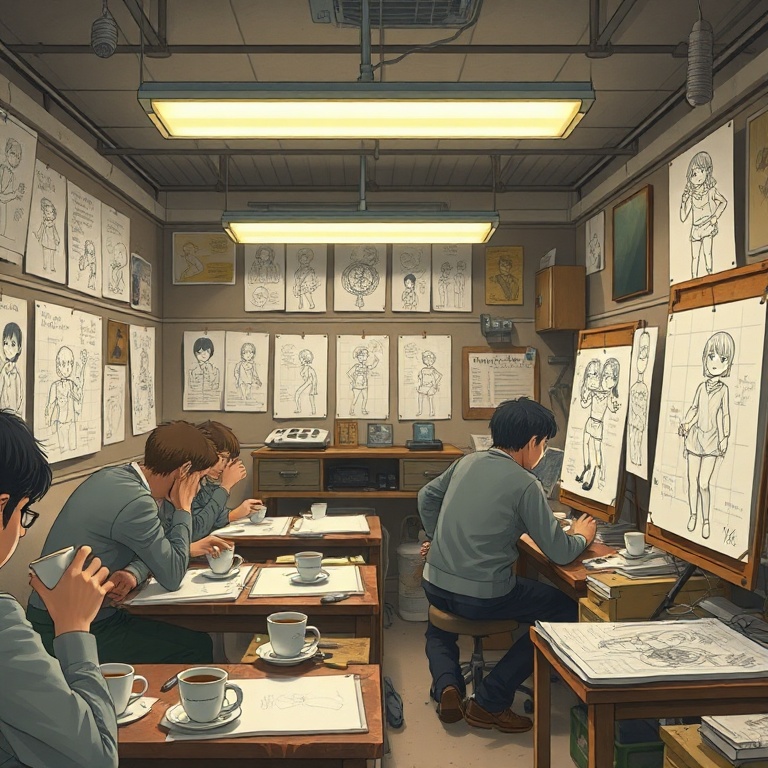
The phenomenon of disastrous conclusions has been chronicled across industry reports, fan polls, and critical retrospectives. By consulting the official project page, we observe a pattern: series that peak in viewership often stumble when narrative expectations collide with commercial pressures.
Production committees, eager to capitalize on merchandise sales, sometimes truncate arcs or inject contrived twists, resulting in endings that feel unearned. Moreover, the rise of streaming platforms has accelerated feedback loops; studios now monitor real‑time reactions, yet paradoxically, this can lead to pandering decisions that dilute artistic intent. The data underscores a tension between creative closure and market viability, a tension that repeatedly surfaces in the catalog of the worst anime endings. Understanding this context reveals why certain series, despite strong premises and beloved characters, collapse under the weight of rushed scripts, budget cuts, or last‑minute staff changes, leaving fans with a bitter aftertaste.
Legacy Studios and the Roots of Disappointing Endings
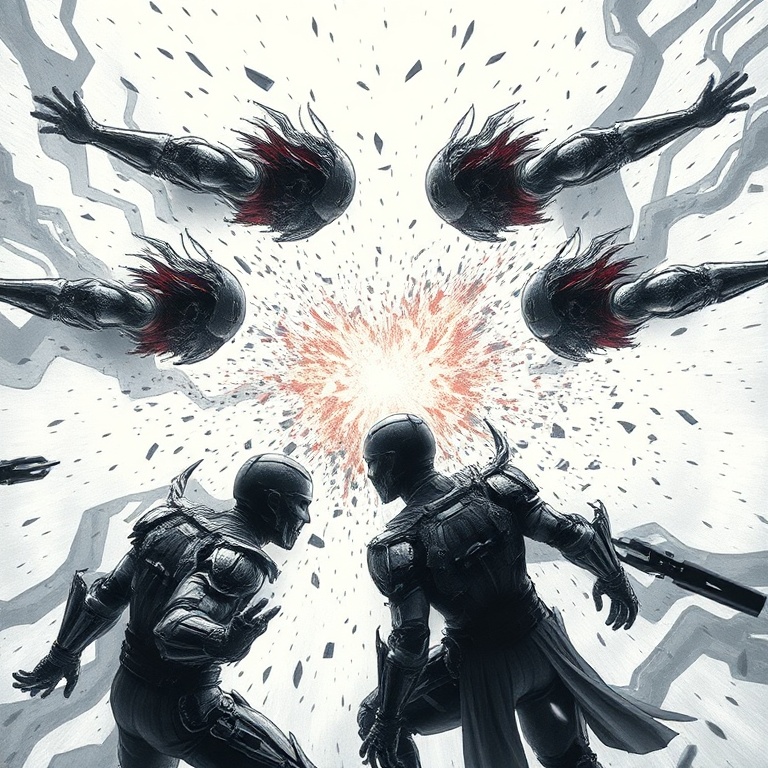
Looking back to the golden era of the 1990s, studios like Gainax and Madhouse set high standards for narrative ambition. Their willingness to experiment paved the way for complex storytelling, yet also established a benchmark that later productions struggled to meet.
As the industry shifted toward seasonal cour formats in the 2000s, the old guard’s meticulous, often year‑long production cycles gave way to tighter schedules. This compression forced writers to truncate arcs, sometimes sacrificing thematic resolution for episode count. Notably, series such as “Neon Genesis Evangelion” originally promised a philosophical climax, but its TV ending was later supplanted by the controversial film “The End of Evangelion,” illustrating how studio constraints can rewrite a story’s destiny. The transition also saw a rise in adaptation fatigue; popular manga were hastily animated to cash in on fanbases, leading to rushed conclusions that ignored source material depth. These historical shifts explain why many of the worst anime endings stem from a clash between legacy expectations and modern production realities, a friction that continues to echo in contemporary releases.
Narrative Mechanics That Undermine Anime Endings

Story Structure and Pacing Problems
At the core of a satisfying finale lies structural coherence: character arcs must resolve, thematic threads need closure, and plot revelations should feel earned. In many of the worst anime endings, these pillars crumble due to flawed pacing, inconsistent character motivations, or deus ex machina revelations. For instance, abrupt power‑ups without foreshadowing violate the principle of Chekhov’s gun, while sudden betrayals lacking narrative groundwork erode audience trust. Additionally, the misuse of unreliable narrators can create disorienting twists that feel like narrative cheats rather than clever subversions.
Animation, Sound, and Late‑Stage Production Factors
From a production standpoint, storyboard revisions late in the pipeline often result in mismatched animation quality, where climactic scenes appear visually jarring compared to earlier episodes, further diminishing emotional impact. Sound design also plays a pivotal role; an ill‑chosen musical cue can undercut tension or unintentionally signal a comedic tone during a serious moment. By dissecting these technical layers, we see that the worst endings are not merely about story choices but about a cascade of misaligned creative decisions that collectively sabotage the intended payoff.
What Past Flops Signal for Future Anime Productions
The legacy of the worst anime endings serves as a cautionary tale for studios navigating the next wave of content creation. As global streaming services vie for exclusive titles, the pressure to deliver binge‑worthy conclusions intensifies.
However, data from fan sentiment analyses suggests that audiences increasingly reward narrative integrity over short‑term hype. Consequently, studios may adopt more iterative development models, involving writers and directors earlier in the planning stages to ensure cohesive story arcs. Moreover, the rise of fan‑driven crowdfunding and creator‑owned platforms offers alternative financing routes, granting creators greater creative control and reducing the likelihood of corporate‑mandated cliffhangers. Yet, the commercial allure of merchandise tie‑ins remains potent; future productions must balance lucrative product lines with storytelling that respects the source material. In essence, the industry stands at a crossroads: either repeat the missteps that birthed the worst endings or evolve toward a paradigm where artistic ambition and market strategy coexist harmoniously.
Industry Insider Perspective on Production Pressures
Listen, kiddo, the anime world isn’t some fairy‑tale where every hero gets a neat bow‑tie ending. It’s a cut‑throat arena where producers juggle budgets, sponsors, and the ever‑growing demands of a hyper‑connected fanbase. When a series sputters out a half‑baked finale, it’s not just a creative slip‑up; it’s a symptom of a system that rewards quick cash over lasting legacy. I’ve seen studios burn through talent faster than a Shonen battle, and the fallout is the same: fans feel cheated, and the title’s reputation takes a nosedive that no amount of merch can patch.
Now, if you want to avoid the next wave of “worst anime endings,” you’ve got to demand accountability from the top‑down. Push for longer production cycles, transparent storytelling roadmaps, and give the creators room to breathe. Remember, the best series are those that respect their audience enough to let the story run its course, even if it means sacrificing a few extra episodes for a proper goodbye. That’s the kind of respect the otaku community deserves, and it’s the only way we’ll stop seeing these catastrophic finales become the norm.