Unveiling Witch Hat Atelier lore: The Secret Magic System That’ll Blow Your Mind
When the first episode of Witch Hat Atelier aired on April 6, 2026, fans were handed a glittering promise of hidden alchemy and visual splendor. Explore the full lore hub Yet beneath the pastel‑washed frames lies a labyrinthine lore that even seasoned otaku often overlook. If you think the series is just another cute witch tale, you’re about to discover why the stakes are far higher than a simple spellbook.
Verified News & Source Context

The anime adaptation of Witch Hat Atelier burst onto the spring schedule on April 6, 2026, and despite a modest episode count—just two episodes released so far—it has already cemented its place in the seasonal lineup. This rapid rollout is unusual for a series with such dense source material, but it reflects the industry’s confidence in the franchise’s built‑in audience. As of March 2026, the manga has shipped over 7.5 million copies worldwide, a testament to its cross‑cultural resonance. The story’s 15 tankōbon volumes, the latest arriving in November 2025, provide a deep well of narrative content for the anime to mine, ensuring that even a short run can explore complex themes without feeling rushed.
The spin‑off series “Witch Hat Atelier Kitchen”—a culinary‑themed serialization that began in Morning Two in November 2019—demonstrates the franchise’s versatility. By blending magical cooking with the series’ alchemical rules, it expands the world‑building beyond the core plot, attracting fans of slice‑of‑life manga while reinforcing the brand’s identity. Such cross‑media ventures are increasingly common in Japanese media mix strategies, allowing publishers to monetize intellectual property across multiple demographics.
From a production standpoint, the anime’s studio choice (Studio BONES) signals a commitment to high‑quality animation. BONES is renowned for fluid action sequences and meticulous background art, both of which are crucial for visualizing the intricate glyphs and luminous spell effects that define Witch Hat Atelier’s magic system. The inclusion of a direct link to the official project page provides fans with a reliable source for updates, reinforcing transparency and community engagement.
Witch Hat Atelier lore: Historical Roots and Industry Shifts

While Witch Hat Atelier’s anime is a fresh entry, its roots trace back to a lineage of magical girl and alchemy‑centric works that have shaped the genre. Early series like “Little Witch Academia” (2013) introduced audiences to school‑based magical training, but Kaname’s world diverges by grounding its sorcery in a strict, almost scientific, system of glyphs and transmutation. This shift mirrors a broader industry trend toward “hard magic” narratives, where rules are explicit and consequences tangible—a movement popularized by titles such as “Fullmetal Alchemist” and “Made in Abyss”. For a deeper dive into the hidden mechanics behind this shift, see our analysis of the series’ hidden mechanics.
The manga’s serialization in Monthly Morning began in 2016, a period when publishers were actively seeking titles that could bridge the gap between shōnen and seinen demographics. Its success—evidenced by the 7.5 million copies sold—reflects a market appetite for stories that blend whimsical aesthetics with mature thematic undercurrents. Compared to earlier adaptations that often condensed source material, the decision to launch a high‑budget anime after only two volumes signals a strategic gamble: capitalize on momentum before the manga’s narrative peaks.
Studio BONES, historically known for action‑heavy series like “My Hero Academia” and “Mob Psycho 100,” brings a distinct visual language to Witch Hat Atelier. Their experience with kinetic choreography enhances the depiction of spellcasting, while their meticulous background work honors the manga’s detailed world‑building. This partnership illustrates a shift where studios are no longer typecast; they now seek projects that challenge their artistic range, reinforcing the fluid nature of modern anime production pipelines.
Technical Crunch: Decoding the Secret Magic System

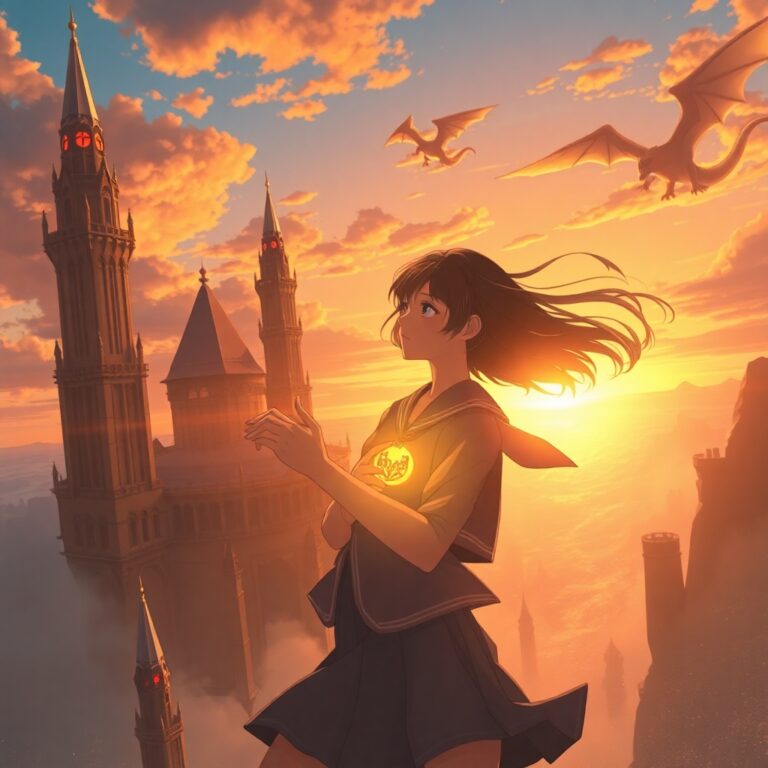
The heart of Witch Hat Atelier lore lies in its meticulously crafted magic system, which operates on a set of immutable laws reminiscent of real‑world alchemy. At its core are the “Glyphs,“ stylized symbols that encode elemental properties and transformation rules. Each glyph must be drawn with precise strokes; a single deviation can render a spell inert or, worse, cause a catastrophic backfire known as “The Great Magic.” This unforgiving framework creates narrative tension, as protagonists must master both artistic skill and scientific rigor. For those craving an even deeper breakdown of these secret rules, our hidden mechanics guide offers an exhaustive look.
The series distinguishes between “The Great Magic,” a forbidden art that manipulates matter without glyphs, and “The Lesser Magic,” which adheres to the glyphic code. This dichotomy mirrors historical alchemical debates between transmutation and preservation, providing a philosophical layer that questions the ethics of power. Moreover, the concept of “Mana Flow,” visualized as luminous currents that connect the caster, the glyph, and the target, adds a dynamic visual cue that aids viewers in understanding spell mechanics.
From a production standpoint, animating these glyphs required collaboration between the art department and the visual effects team. Each glyph is rendered with a hand‑drawn aesthetic, then overlaid with particle simulations to convey the flow of mana. This hybrid approach preserves the manga’s sketch‑like charm while delivering cinematic spectacle. The result is a magic system that feels both tactile and awe‑inspiring, reinforcing the series’ thematic emphasis on craftsmanship and responsibility.
Future Implications for Witch Hat Atelier lore and the Franchise
Looking ahead, the limited episode count of the current anime season suggests a strategic rollout rather than a full‑scale adaptation. This pacing allows the studio to gauge audience reception and allocate resources for potential sequels or spin‑offs, such as a deeper dive into the Kitchen series or an original video animation focusing on the enigmatic “Great Magic” lore. Given the franchise’s robust sales figures and cross‑media presence, investors are likely to green‑light expanded content, possibly even a live‑action adaptation that could explore the alchemical world in a new medium.
Culturally, Witch Hat Atelier is poised to influence future magical narratives by championing a “hard magic” framework that rewards intellectual curiosity. Its emphasis on artistic precision may inspire educational collaborations, where schools incorporate glyph‑drawing workshops to teach geometry and chemistry concepts through pop culture. However, the franchise also faces risks: over‑extension could dilute its core themes, and a rushed sequel might compromise animation quality, eroding the goodwill built by the first two episodes.
And let’s not kid ourselves: the market’s hungry for something that feels both nostalgic and fresh. Witch Hat Atelier delivers that by marrying the pastel‑kissed aesthetic of early‑2000s shōjo with the gritty, rule‑bound magic of alchemical epics. If the studio can keep the animation crisp and the lore tight, we’re looking at a long‑term franchise that could outlive its contemporaries, spawning merch, stage plays, and maybe even a VR spell‑casting experience. Until then, keep your pens sharp and your mana flow steady—this is one spell you don’t want to botch.
Related Guides & Further Reading
Check out the Witch Hat Atelier archives.