When Saiyan Steel Meets Skynet: The Dragon Ball Terminator Connection
The Dragon Ball Terminator crossover isn’t a fan‑made meme—it’s baked into the series’ DNA. From Major Metallitron’s dead‑pan “I’m back!” to Trunks’ time‑warped savior arc, the parallels with Kyle Reese’s gritty resolve are impossible to ignore. Unpacking these echoes reveals how Akira Toriyama weaponized Hollywood’s cyber‑apocalypse to sharpen his own narrative blade.
Verified News & Source Context: The Dragon Ball Terminator Blueprint
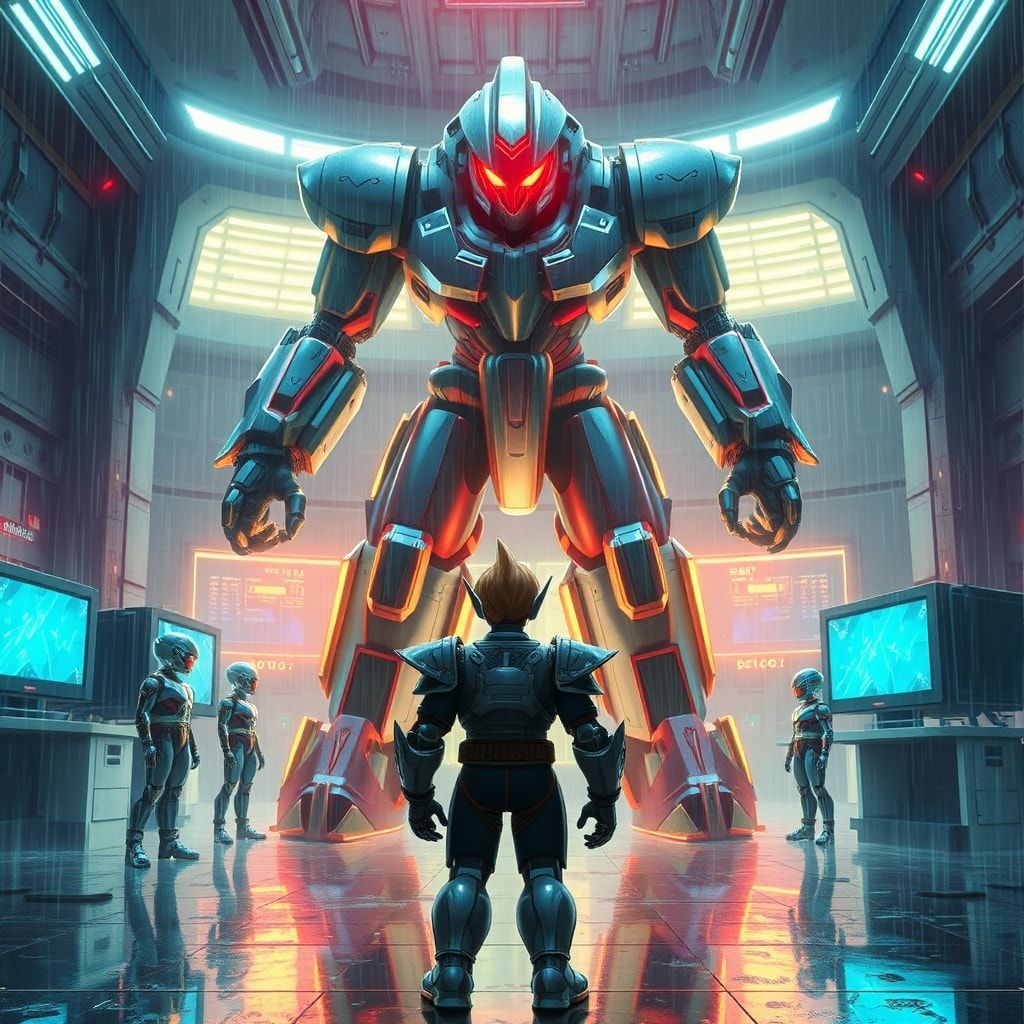
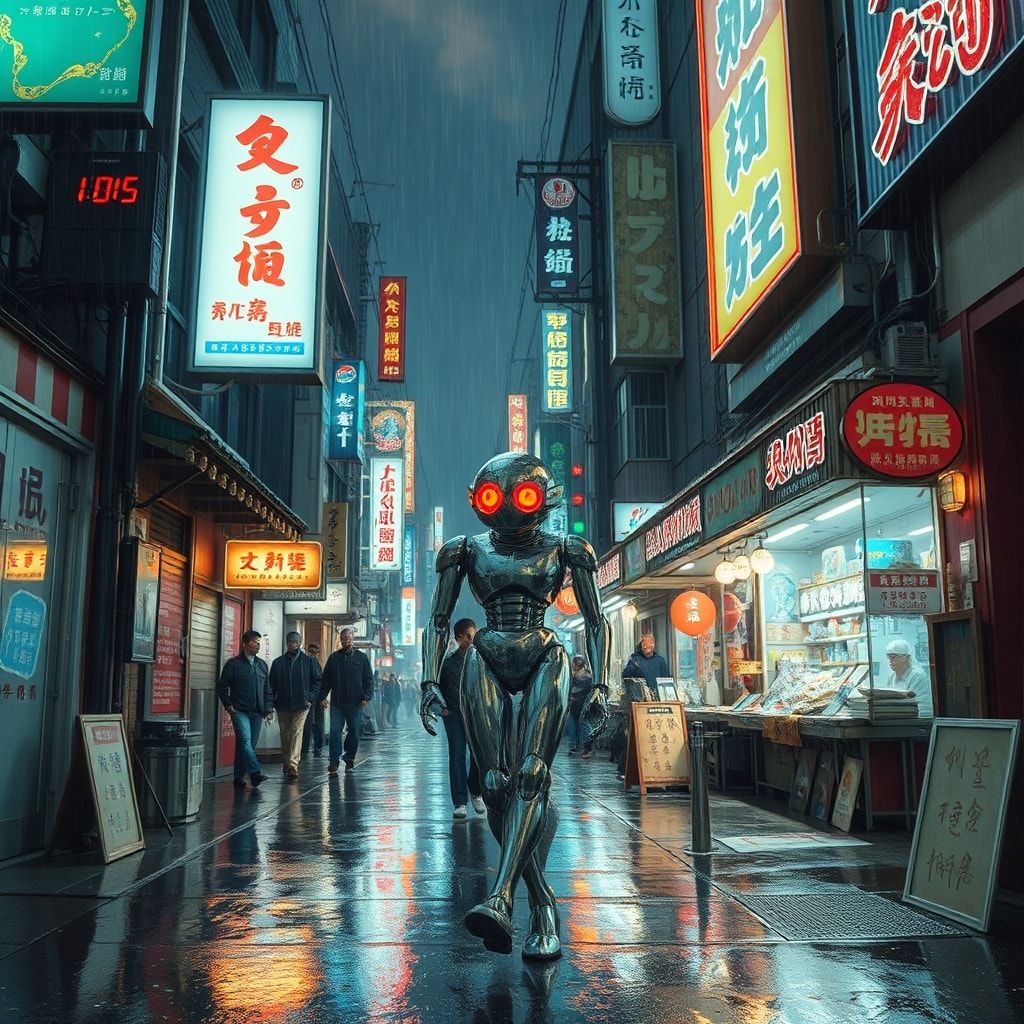
Major Metallitron burst onto the manga scene in Chapter 58 of the original Dragon Ball, a full six years before the franchise even flirted with sci‑fi androids. The fandom page confirms his catch‑phrase, “I’m back!”, is a direct homage to Arnold Schwarzenegger’s iconic line, cementing the character as the series’ first explicit Terminator nod. Funimation’s English dub didn’t leave this to chance; voice actor Chris Rager was instructed to emulate Schwarzenegger’s Austrian‑accented monotone, turning a simple line into a meta‑textual wink for Western audiences. The 1996 anniversary film, *The Path to Power*, gave Metallitron a visual overhaul—dark skin, hairless head, and exposed circuitry—making the Terminator aesthetic unmistakable. Fast‑forward to 2025’s mobile title *Gekishin Squadra*, where the character is officially listed among “Terminator‑inspired” roster, proving the homage isn’t a relic but a living design cue. This continuity shows how a single line can ripple through decades of media, influencing character design, voice direction, and marketing. For deeper verification, see the official project page which archives every iteration of Metallitron’s Terminator‑tinged evolution.
Historical Context: Old Guard Meets Terminator Tropes
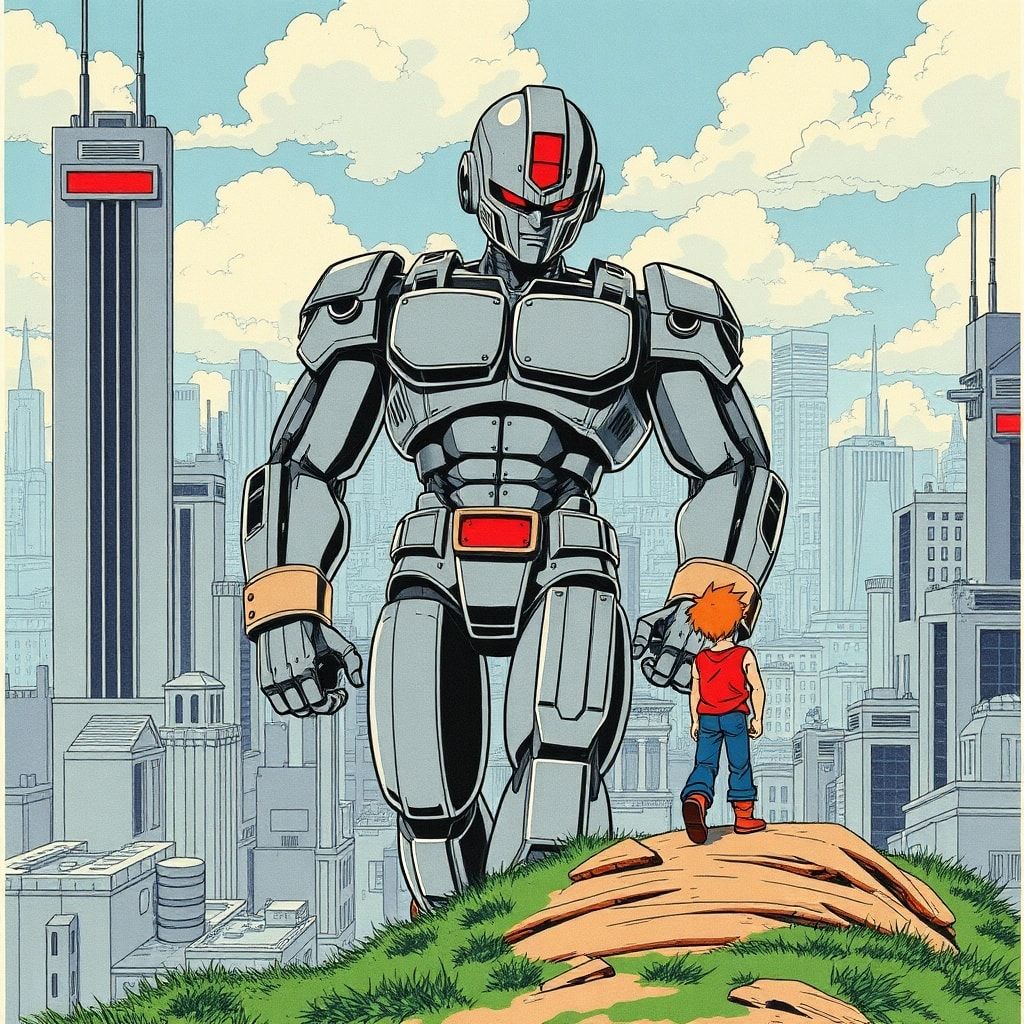
When Toriyama first introduced androids, the anime industry was still digesting the global impact of Hollywood’s cyber‑thrillers. The 1984 *Terminator* had just redefined the unstoppable killing machine archetype, and Japanese studios were quick to appropriate its visual language. Early Dragon Ball adaptations, especially the anime’s 1989–1990 run, featured androids that were more cartoonish than menacing, but Metallitron broke that mold by adopting the Terminator’s cold, mechanical demeanor. This shift mirrored a broader trend: series like *Sailor Moon* and *Saint Seiya* began integrating darker, more technologically driven villains in the early ’90s, reflecting a market hungry for gritty sci‑fi. Staff changes also played a role; director Daisuke Nishio, who oversaw the later arcs, cited Western action films as a visual reference point during storyboarding sessions. Meanwhile, the rise of home video meant Western audiences could access both Dragon Ball and Terminator content, creating a feedback loop where Japanese creators subtly echoed Western motifs to boost overseas appeal. The result is a hybrid aesthetic where the flamboyant shōnen style coexists with the stark, metallic menace of the Terminator, a synthesis that set a precedent for future cross‑cultural homages in the franchise.
Technical Crunch: Lore Mechanics Behind the Metal Menace
Beyond the surface homage, Metallitron’s in‑world stats reveal a deliberate design echoing Terminator lore. His energy absorption rate mirrors the T‑800’s ability to adapt to weaponry, allowing him to siphon ki attacks and convert them into power boosts—a mechanic first hinted at in the manga’s Muscle Tower saga. Design documents from Toei Animation list his chassis as “self‑repairing alloy,” a direct nod to the Terminator’s regenerative endoskeleton, explaining why conventional attacks barely dent him. Narrative structure also mirrors the cat‑and‑mouse chase of *Terminator 2*: Metallitron is dispatched to eliminate a future threat (the Saiyan lineage), while Trunks, like Kyle Reese, becomes the reluctant protector traveling through time to thwart a mechanized apocalypse. The series even mirrors the “future war” trope; Metallitron’s origin is tied to a dystopian timeline where androids dominate Earth, a scenario that parallels Skynet’s rise. These layered mechanics serve more than fan service—they reinforce the thematic core of humanity versus machine, positioning Trunks as the human spirit’s last stand against an inexorable, programmed destiny.
Future Implications: The Dragon Ball Terminator Legacy
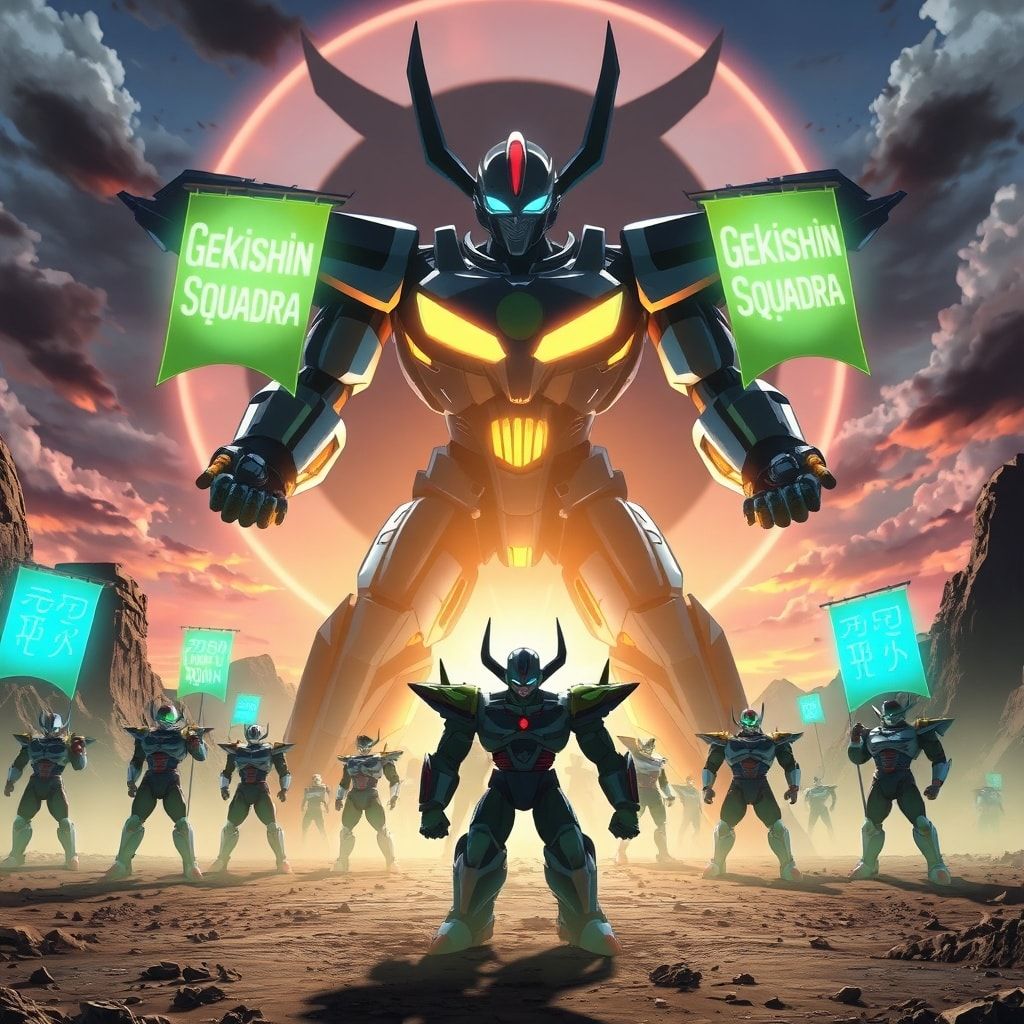
The Terminator thread is far from exhausted. With *Gekishin Squadra* officially branding Metallitron as “Terminator‑inspired,” future games and possibly a live‑action adaptation could lean even harder into the cyber‑pastiche, perhaps reimagining the android as a Skynet‑type AI orchestrating a multiversal threat. This opens doors for cross‑media collaborations: imagine a Netflix special where a Terminator‑styled Metallitron hunts the multiverse’s strongest fighters, or a manga spin‑off exploring his creator’s motives, echoing James Cameron’s own expansions of the Terminator mythos. Culturally, the blend reinforces Dragon Ball’s status as a global conduit, capable of absorbing and reshaping Western sci‑fi tropes for Eastern storytelling. It also signals to creators that overt homage can be both commercially viable and narratively rich, encouraging more daring mash‑ups in future arcs.
Listen up, fresh‑blood otaku: the industry’s been chewing on Terminator‑flavored metal for decades, and you’ll keep hearing that metallic clang in every new “evil robot” you see. The reason? It’s cheap, it’s iconic, and it sells—nothing more profound than a shiny villain that says “I’ll be back” while you’re still trying to finish your ramen.
But here’s the veteran’s take: if you want to stand out, you don’t just copy the line; you dissect why it works. Metallitron isn’t just a Terminator clone; he’s a commentary on how relentless technology can eclipse even the most indomitable Saiyan spirit. Future writers who grasp that nuance will craft villains that feel fresh, not just recycled hype. Until then, expect more chrome‑capped copy‑cats marching onto the screen, shouting the same catch‑phrase, and hoping you forget the original.
Check out the dragon-ball-terminator archives.