Why 80s 90s Anime Animation Quality Still Beats Modern CGI – A Veteran’s Verdict
When you stare at the glossy sheen of today’s digital anime, as highlighted in our anime route hub, it’s easy to forget that the raw, hand‑drawn charm of the 80s‑90s anime animation quality still holds a magnetic pull for fans worldwide.
The industry’s relentless push for speed and profit has left many classics feeling like relics, yet they continue to outshine many of today’s high‑budget productions. If you think nostalgia is the only reason, you’re missing the deeper technical and cultural forces that made those decades a golden era.
Key Milestones Defining 80s‑90s Anime Quality
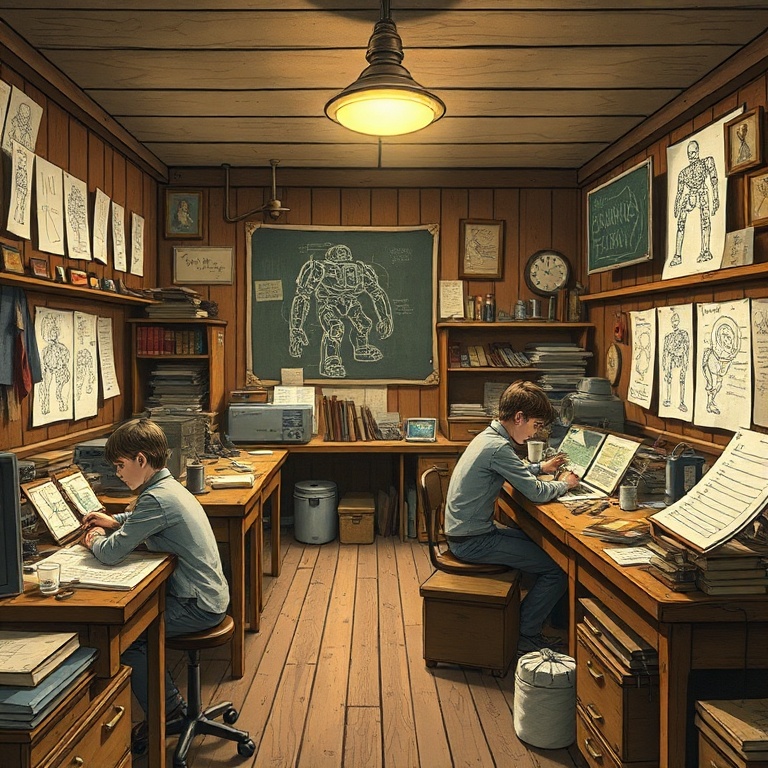
- Doraemon (1979) – debuted as the longest‑running anime, showing early TV anime staying power.
- 1980s production boom – birthed titans such as Gundam, Macross, and Dragon Ball, each pushing cell animation, model‑kit detail, and narrative ambition.
- Akira (1988) – shattered expectations with meticulous frame‑by‑frame art, earning international acclaim and proving Japanese studios could compete globally. This milestone reflects the kind of production lore deep dive.
- Export re‑branding – Space Battleship Yamato and Super Dimension Fortress Macross became Star Blazers and Robotech for Western audiences, demonstrating the export potential of high‑quality hand‑drawn visuals.
- 1990s worldwide phenomenon – series like Dragon Ball Z and Sailor Moon blended vibrant color palettes with dynamic action choreography that still feels fresh.
All these milestones are documented on the official project page, underscoring how the era’s production pipelines, studio collaborations, and audience reception created a perfect storm for superior animation quality.
Studio Practices and Production Shifts in the 80s‑90s

From Astro Boy’s Constraints to Gundam’s Innovations
From the perspective of the old guard, the 80s‑90s era was a crucible of artistic discipline. Earlier adaptations, such as the 1960s Astro Boy, relied on limited budgets and rudimentary techniques, often re‑using backgrounds and employing static poses.
Collaborative Studios, Home Video, and Digital Coloring
By the time Gundam rolled out, studios had refined cel layering, allowing for complex mechanical designs and fluid motion that earlier works could never achieve. The shift from single‑artist production to collaborative studio systems let talent specialize: key animators focused on high‑impact frames, while in‑between work was delegated, preserving quality without sacrificing speed.
Market shifts also played a role; the 1980s saw a surge in home video sales, prompting studios to invest in higher‑resolution masters for VHS releases, which inadvertently raised the visual standard. The 1990s introduced digital coloring, but many studios retained the hand‑drawn ethos, blending new tools with traditional craftsmanship. This hybrid approach kept the tactile feel of earlier works while embracing efficiency, a balance that many modern productions, rushed by streaming deadlines, struggle to replicate.
Cell‑Based Techniques That Gave the Era Its Edge
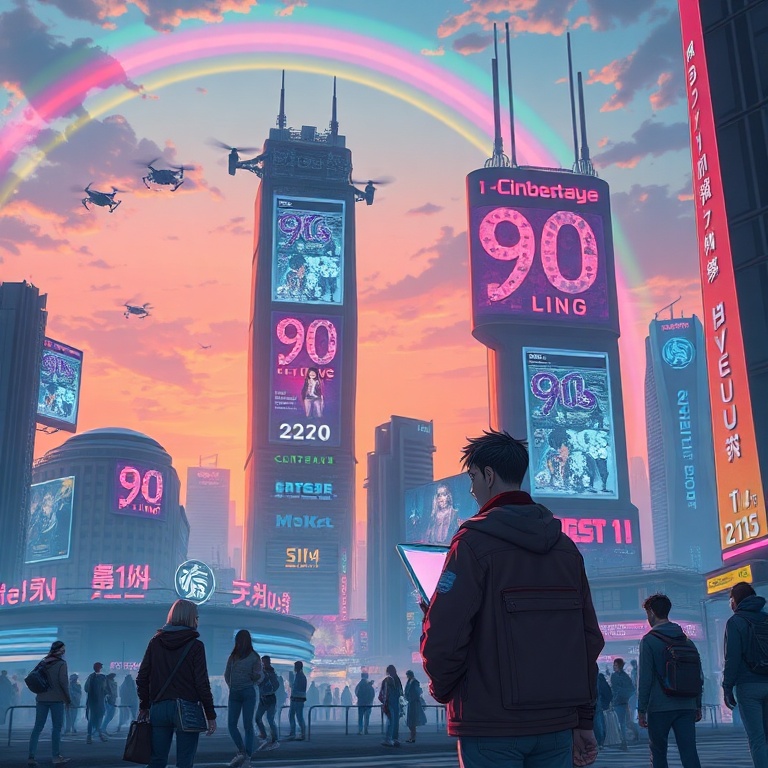
The Hand‑Drawn Cel Process
The technical backbone of 80s‑90s anime animation quality lies in its meticulous cel process. Each frame began as a hand‑drawn sketch, then inked on acetate, and finally painted on the reverse side with gouache. This double‑sided approach allowed for deep color saturation and crisp line work, something early digital pipelines struggled to emulate without banding or flat shading.
Depth, Detail, and Mechanical Mastery
Moreover, the use of multi‑plane cameras created parallax effects, giving depth to static backgrounds—a technique famously employed in Akira to simulate a sprawling dystopian city. Action sequences often used higher frame rates, with key frames drawn at 12‑24 frames per second, ensuring fluid motion. The integration of dedicated mechanical design teams—such as the renowned Mechanical Design Department at Sunrise—meant that mecha and vehicles possessed a level of detail and consistency rarely seen in later CGI‑first productions. These technical choices mattered because they established a visual language that audiences could instantly recognize and emotionally connect with, reinforcing narrative stakes through visual fidelity.
Legacy and Emerging Hybrid Approaches
Archive Remasters Powered by AI Upscaling
The legacy of 80s‑90s anime animation quality is poised to influence upcoming revivals and reboots. Studios are increasingly mining their archives for high‑definition remasters, employing AI‑assisted upscaling to preserve the grainy texture that fans cherish while delivering 4K clarity.
Hybrid Production: Hand‑Drawn Keys + Digital Efficiency
Successful adaptations will likely adopt a hybrid model: using modern tools for efficiency but retaining hand‑drawn key frames for pivotal moments, much like the approach taken by Studio Trigger in recent works. Cultural impact also extends beyond visual aesthetics; the era’s storytelling tropes—heroic perseverance, intricate world‑building, and moral ambiguity—continue to inspire contemporary creators across media, from video games to live‑action adaptations.
Listen, kid, the moment you start swapping out every hand‑drawn cel for a glossy 3D render, you’re selling the soul of the medium for a flash of novelty. The old masters didn’t have the luxury of “instant preview” software; they earned every line with sweat, ink, and a relentless pursuit of perfection. That grind forged a visual language that still makes modern CGI look like a cheap knock‑off of a photograph.
Don’t be fooled by the hype of “new tech”. If you want the true grit of 80s‑90s anime animation quality, you study the process, respect the craft, and maybe—just maybe—let a few seasoned veterans back the drawing board. The future will be bright only if it learns from the past, not discards it for the sake of speed.
Related Guides & Further Reading
Check out the anime history archives.