
Why Estonia visa cost will make or break your Baltic adventure
Planning a Baltic escapade? The Estonia visa cost is the first gatekeeper you’ll meet, and it can either smooth your journey or slam the door on your dreams. Imagine budgeting for a coffee in Tallinn only to discover a hidden €80 fee that eats into your travel fund. Before you dive in, check out our Estonia visa cost hub for a quick snapshot of fees and requirements. Let’s dissect the numbers, the rules, and the ripple effects that this modest fee creates for wanderers and remote workers alike.
Understanding the Estonia visa cost landscape

According to the latest data, the state fee for a short‑stay (Type C) Schengen visa to Estonia sits at €80, payable at the moment you hand over your application, a cost that can quickly crunch a backpacker’s budget (see how to outsmart it). This fee is not a mere suggestion; it’s a hard‑cash requirement that funds the administrative machinery processing millions of applications across the EU. For those eyeing a longer stay, the Type D visa demands €100, reflecting the added bureaucratic load of extended residency checks. A deeper dive into these numbers is available in our breakdown for nomads. These figures are static, but the real cost fluctuates with exchange rates and ancillary expenses like travel insurance, courier services, and potential translation fees.
Why does this matter? First, the fee acts as a financial filter, deterring casual tourists who might otherwise overstay or misuse the visa. Second, it funds the digital infrastructure that Estonia prides itself on—think e‑Residency and the seamless e‑government services that have turned the nation into a tech haven. The fee also ties directly into the Digital Nomad Visa, where applicants must prove a gross monthly income of €4,500 for the preceding six months. This income threshold ensures that nomads can sustain themselves without becoming a welfare burden, aligning fiscal policy with the country’s ambition to attract high‑value remote workers.
Processing times are another critical piece of the puzzle. Applications are reviewed within up to 30 days from submission, after which a visa—if approved—is issued. This window can be a make‑or‑break period for freelancers chasing project deadlines or tourists planning seasonal trips. The short‑stay visa grants a maximum of 90 days within any 180‑day rolling period, a rule that dovetails with Schengen’s broader policy but can trip up the uninitiated. For deeper insight, visit the official project page where the Estonian government outlines the full spectrum of requirements and benefits.
Historical perspective: From tourist stamps to digital nomad visas

Back in the early 2000s, Estonia’s visa regime mirrored that of its Baltic neighbors—simple, paper‑based stamps, modest fees, and a focus on short tourist stays. The €80 short‑stay fee was introduced as part of the Schengen integration, aligning Estonia with the EU’s standardized visa costs. At that time, the primary audience were backpackers and business travelers, and the visa process was a bureaucratic hurdle but not a strategic lever.
The turning point arrived with Estonia’s e‑Government revolution in the 2010s. The nation pioneered e‑Residency, allowing anyone worldwide to establish a digital identity and even a company within Estonia without ever setting foot on its soil. This bold move reshaped the country’s image from a peripheral European state to a digital powerhouse. The visa policy followed suit, evolving to accommodate a new class of traveler: the digital nomad.
The Digital Nomad Visa, launched in 2022, represents a paradigm shift. Rather than merely charging a fee, Estonia now assesses applicants on income, ensuring they can contribute economically while enjoying the country’s high quality of life. This mirrors trends in other forward‑thinking nations like Portugal and Barbados, but Estonia’s modest €100 long‑stay fee and clear income benchmark make it a competitive option. The historical trajectory—from simple tourist stamps to sophisticated, income‑based digital visas—highlights how Estonia leverages fiscal policy to attract a specific, high‑value demographic, reinforcing its brand as a tech‑centric, globally connected hub.
Technical crunch: Fees, income thresholds, and processing timelines
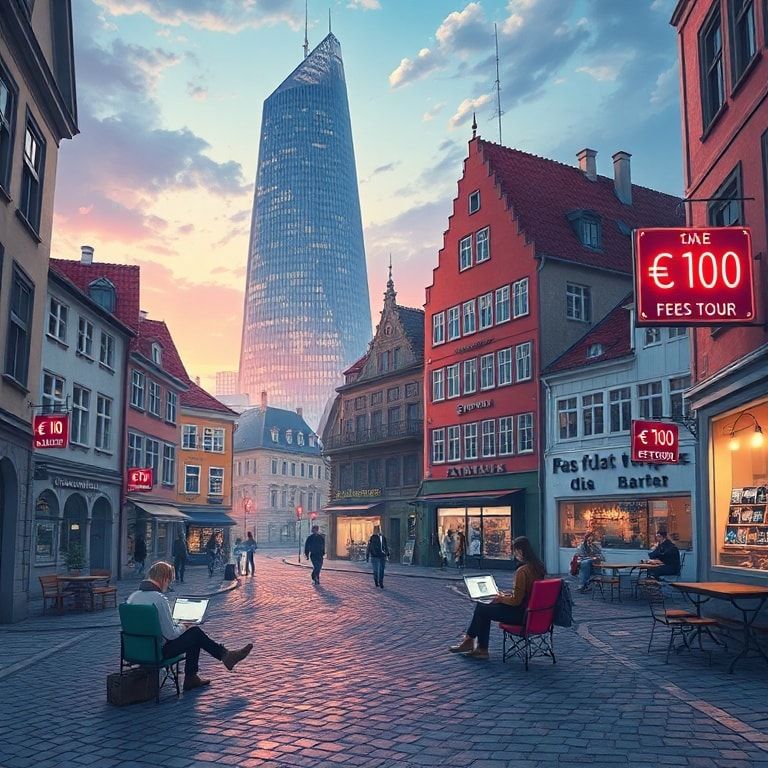
Delving into the mechanics, the Estonia visa cost structure is deliberately tiered. The €80 short‑stay fee covers administrative costs for the Schengen Type C visa, which permits up to 90 days of travel within any 180‑day window. This fee is non‑refundable, regardless of approval outcome, underscoring the importance of a well‑prepared application. The €100 long‑stay fee for Type D visas reflects the added complexity of extended residency checks, background verifications, and potential work permit considerations.
For the Digital Nomad Visa, the financial bar is set higher: applicants must demonstrate a minimum gross monthly income of €4,500 over the six months preceding the application. This figure isn’t arbitrary; it aligns with Estonia’s median salary levels and ensures that nomads can comfortably afford housing, taxes, and daily expenses without straining public resources. The income proof typically involves bank statements, tax returns, or employer letters, each scrutinized for authenticity.
Processing timelines are equally critical. The 30‑day window is a statutory maximum; many applications are resolved faster, especially when submitted through the online portal with complete documentation. However, delays can occur due to incomplete paperwork, heightened security checks, or seasonal surges in applications. Applicants should factor this timeline into travel planning, as a missed deadline could jeopardize project timelines or seasonal travel plans. The interplay of fee, income threshold, and processing speed creates a nuanced ecosystem where financial readiness and administrative diligence are paramount.
Future implications: How the cost shapes Estonia’s tourism and remote work boom
Looking ahead, the Estonia visa cost will continue to be a lever for shaping the nation’s tourism and remote‑work landscape. By maintaining a relatively low short‑stay fee, Estonia remains accessible to budget travelers, ensuring a steady influx of tourists who contribute to the local economy—restaurants, museums, and boutique hotels benefit directly. Simultaneously, the higher long‑stay fee paired with the €4,500 income requirement positions Estonia as a premium destination for affluent digital nomads.
This dual‑track strategy could yield a diversified economic base: short‑term visitors boost seasonal revenue, while long‑term remote workers stimulate sustained demand for housing, coworking spaces, and ancillary services like banking and legal assistance. Moreover, the transparent fee structure and clear income criteria enhance Estonia’s reputation for fairness and predictability, attracting entrepreneurs who value stability. As other nations vie for the digital nomad market, Estonia’s modest fees and robust e‑government infrastructure give it a competitive edge, potentially prompting policy refinements that further lower barriers without compromising fiscal integrity.
From my two‑decade trek across the anime‑infused corridors of travel bureaucracy, I can tell you that a fee is never just a fee—it’s a gatekeeper, a signal, a test of resolve. The €80 short‑stay charge may seem trivial, but it weeds out the half‑hearted wanderers who’d otherwise clog the system, leaving room for those who truly respect the Schengen rhythm. The €100 long‑stay fee, coupled with the €4,500 income bar, is Estonia’s way of saying, “We welcome you, but bring your A‑game and a solid bank balance.” It’s a clever balance of openness and self‑selection that many countries still struggle to master.
What’s the takeaway for the next wave of digital nomads? Don’t treat the visa cost as a line item to be ignored. It’s the first chapter of your Estonian saga, setting the tone for everything from housing negotiations to tax obligations. Prepare your paperwork, verify your income, and respect the 30‑day processing window—do this, and you’ll glide into Tallinn’s cobblestone streets with the confidence of a seasoned protagonist stepping onto a new stage. Miss the mark, and you’ll be stuck in a bureaucratic side‑quest that could have been avoided with a little foresight.
Related Guides & Further Reading
Check out the Estonia visa cost archives.