Why the Anime Babysitting Hero Trend Is the Most Unexpected Power Move of 2026
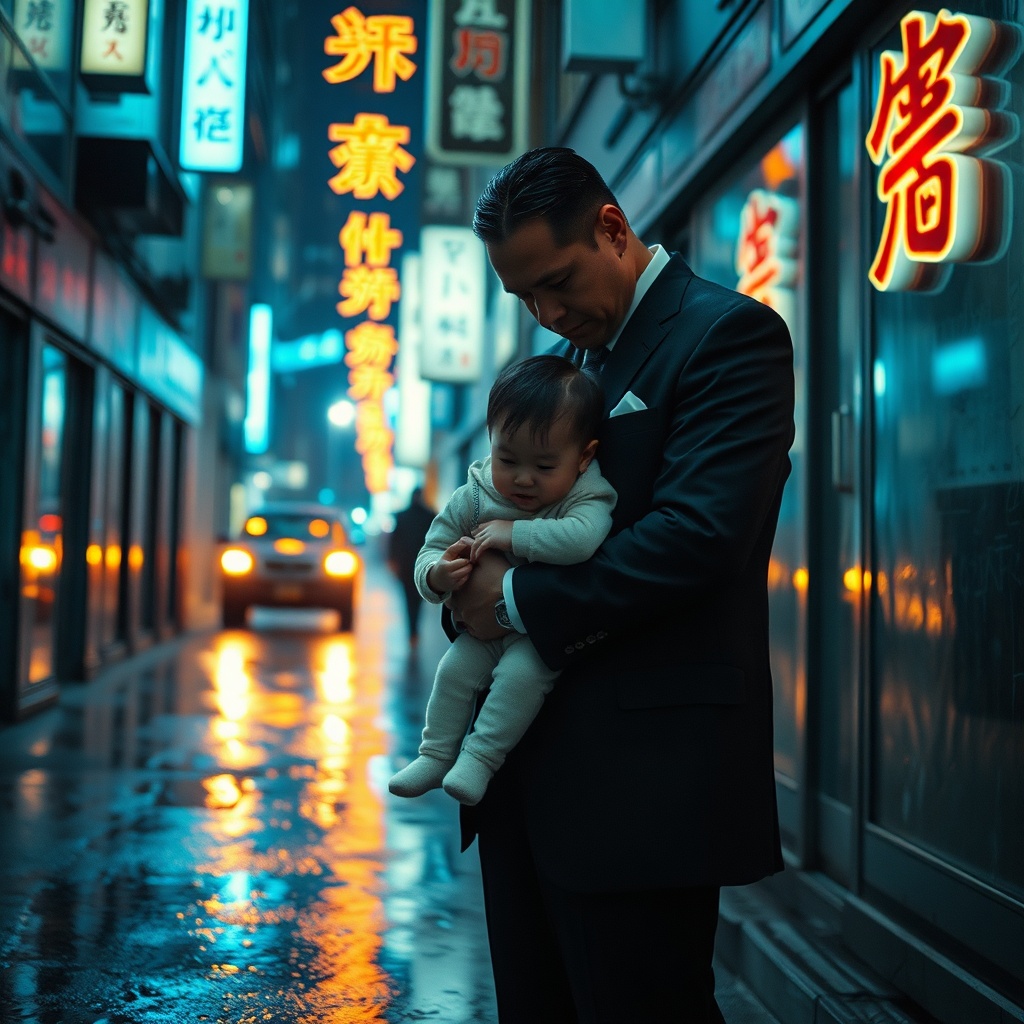
The world of anime has never been stranger than when a hardened yakuza finds himself cradling a toddler, but the rise of the anime babysitting hero is more than a gimmick—it’s a cultural pivot. In 2022, audiences were handed a fresh blend of crime drama and heart‑warming family moments, and by 2026 the trope has become a barometer for how studios balance grit with gentleness. This shift forces creators to ask: can a fearsome anti‑hero survive the soft‑spoken demands of childcare, and what does that say about our own expectations of masculinity?
Release Details and Official Sources for “The Yakuza’s Guide to Babysitting”

Key Release Information
| Aspect | Details |
|---|---|
| Broadcast Schedule & Episode Count | The series aired from July 7 2022 to September 22 2022, delivering a concise 12‑episode run that compressed a full‑length narrative arc into a tight seasonal slot. |
| Creative Staff & Studio Collaboration | Directed by Itsuro Kawasaki—known for his kinetic pacing in action‑heavy titles—the show benefits from his ability to juxtapose high‑stakes combat with quiet domestic beats. Writer Keiichirō Ōchi, whose résumé includes sharp‑tongued comedy scripts, infused the dialogue with a balance of deadpan humor and sincere affection, ensuring the babysitting premise never felt forced. Production was split between studios Feel and Gaina, merging Feel’s polished character animation with Gaina’s experimental background art to create a visual style that feels simultaneously gritty and warm. |
| Manga Publication Status & Sources | The manga, now collected into 16 tankōbon volumes as of July 2026, continues to expand the universe, hinting at deeper backstories for both the yakuza protagonist and his charge. For primary sources, the official project page offers episode guides, staff interviews, and production stills that illuminate the series’ behind‑the‑scenes decisions. |
Historical Roots of the Anime Babysitting Hero Trope
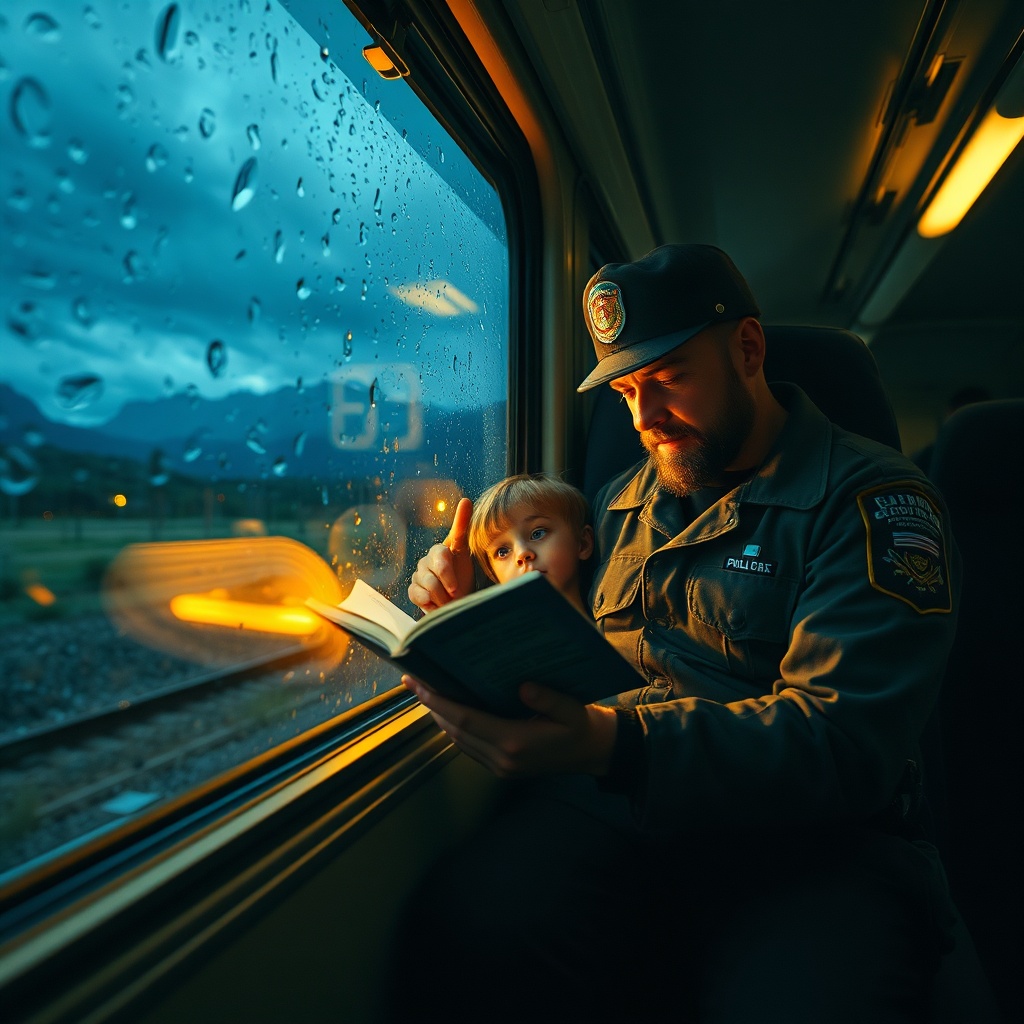
Early Glimpses in the 2000s
Titles like “Kure-nai” and “Shaman King” flirted with paternal instincts, yet childcare never occupied the narrative core.
Slice‑of‑Life Experiments in the 2010s
Series such as “Barakamon” (calligrapher and village child) and occasional babysitting arcs in “Gintama” treated the premise as episodic jokes rather than structural pillars.
Shift Toward Genre‑Blending in the Late 2010s
Studios like Bones and MAPPA began experimenting with cross‑demographic appeal. The collaboration between Feel and Gaina on “The Yakuza’s Guide to Babysitting” exemplifies this shift: Feel’s shōnen action legacy combined with Gaina’s willingness to explore softer, atmospheric storytelling.
The series arrived during a post‑pandemic boom in family‑oriented streaming content, positioning it to capture both traditional otaku and casual viewers seeking emotional resonance.
Production Techniques Behind the Anime Babysitting Hero
Narrative Architecture
The series employs a dual‑track structure, allocating roughly 3 minutes each to “action beats” and “care beats.” Episodes follow a three‑act model:
- Inciting incident (danger)
- Bonding moment (babysitting)
- Climax (resolution)
This mirrors classic hero’s journey frameworks while fitting a 24‑minute slot.
Visual and Audio Design
Production teams used a color‑coding system for storyboards—red for combat, teal for domestic scenes—allowing animators to gauge tonal shifts instantly. Visual cues, such as the yakuza’s scar tissue softening into a shadow when he **smiles**, signal internal change without dialogue. Sound design contrasts heavy bass‑driven fight cues with delicate harp motifs during bedtime scenes, reinforcing the hero’s dichotomy.
Technical Innovations
Gaina introduced a proprietary lighting engine that simulates realistic neon reflections, essential for night‑city sequences.
Feel’s rigging team implemented a physics‑based cloth system for the child’s clothing, ensuring natural movement during chase scenes.
Emerging Trends and Future Outlook for the Babysitting Hero Genre
Potential Sequels and Spin‑offs
With the manga at sixteen volumes, a second season or a spin‑off focusing on the child’s perspective is plausible, especially as streaming platforms favor long‑form binge‑watchable content.
Merchandising and Cross‑Media Opportunities
Current merchandise—plushies of the yakuza in a onesie, kitchen‑utensil replicas—suggests a broader commercial strategy. Future adaptations may explore live‑action or VR experiences where players assume the babysitting hero role, navigating moral choices in real time.
Risk of Over‑Saturation
If studios replicate the formula without fresh narrative stakes, the novelty could wear thin, leading to audience fatigue. Strategic diversification—mixing sci‑fi settings, historical backdrops, or alternate gender dynamics—will be essential to keep the genre vibrant.
Yet, don’t be fooled into thinking this is a one‑off gimmick. The market’s already chewing on the idea, and if studios keep feeding us the same bruised‑but‑cuddly archetype, we’ll see a glut of half‑hearted sequels that dilute the emotional punch. The veteran in me says: demand depth, demand risk, or the anime babysitting hero will become just another meme.
Check out the anime babysitting hero archives.