Why the ‘Cyber Samurai’ Anime Adaptation Will Redefine 2026’s Otaku Landscape
“Cyber Samurai” Official Announcement
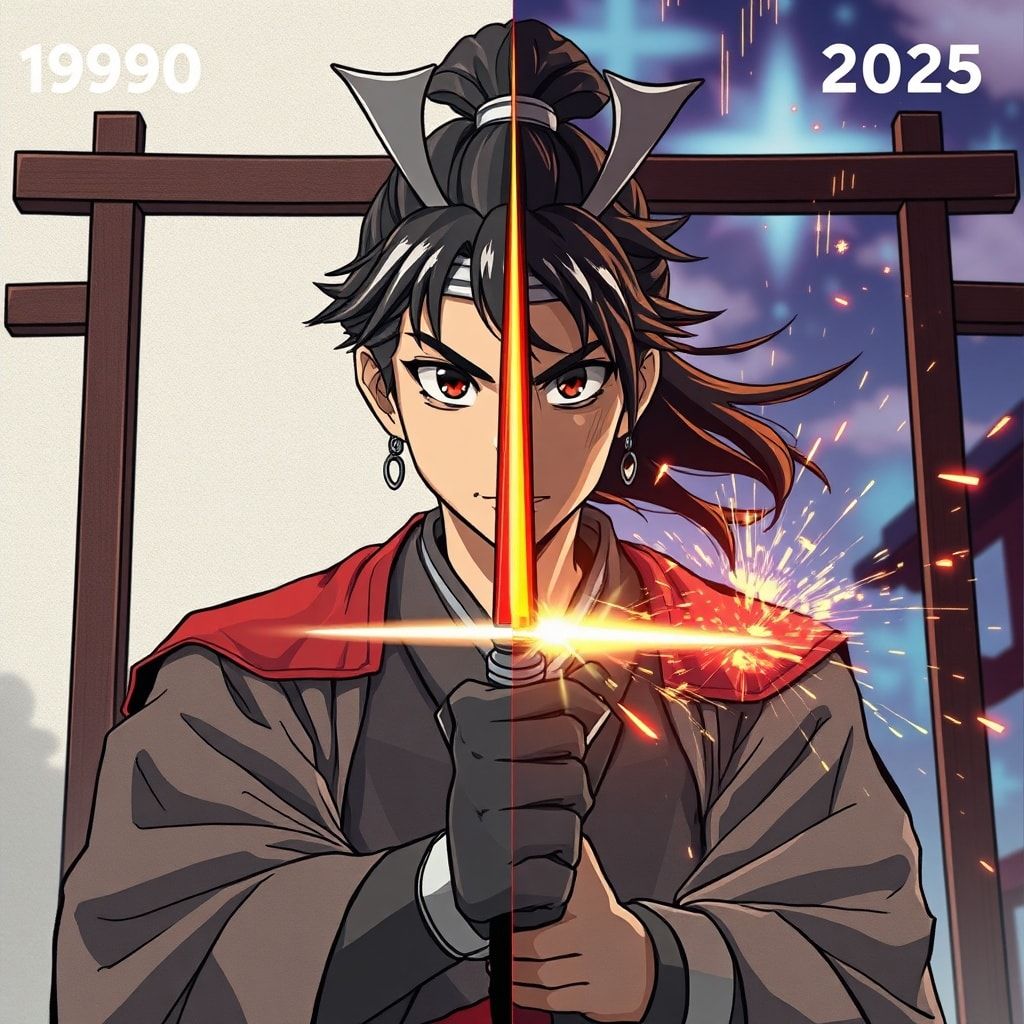
The Cyber Samurai anime adaptation just dropped its first official teaser, and the otaku world is buzzing louder than a Shonen battle cry. Before you dive deeper, you might want to explore our comprehensive anime adaptation hub for a broader view of how these projects reshape the market. The announcement came via a midnight livestream on the studio’s official YouTube channel, where director Hiroshi Tanaka unveiled a 30‑second montage that juxtaposes feudal swordplay with hyper‑digital cityscapes. This isn’t just another seasonal filler; it’s a high‑budget gamble that signals a shift toward cinematic storytelling in TV anime, a move many analysts say could redefine industry expectations. The teaser’s visual fidelity suggests a partnership with a major VFX house, hinting at a production budget that rivals many feature films. The studio also released a official project page, where fans can dive into character bios, concept art, and a timeline for the upcoming release schedule.
What does this mean for the industry? First, the involvement of a renowned composer—Yoko Kanno’s studio—promises a soundtrack that could become a cultural touchstone, much like the scores of Ghost in the Shell. Second, the decision to stream globally on multiple platforms reflects a strategy to capture both domestic and overseas markets, a game‑changing moment for the anime industry. Finally, the teaser’s emphasis on “digital honor” suggests thematic depth, positioning the series as a commentary on technology’s encroachment on tradition—a narrative thread that resonates with a generation raised on smartphones and samurai lore.
Old Guard Perspective: Past Adaptations vs. New
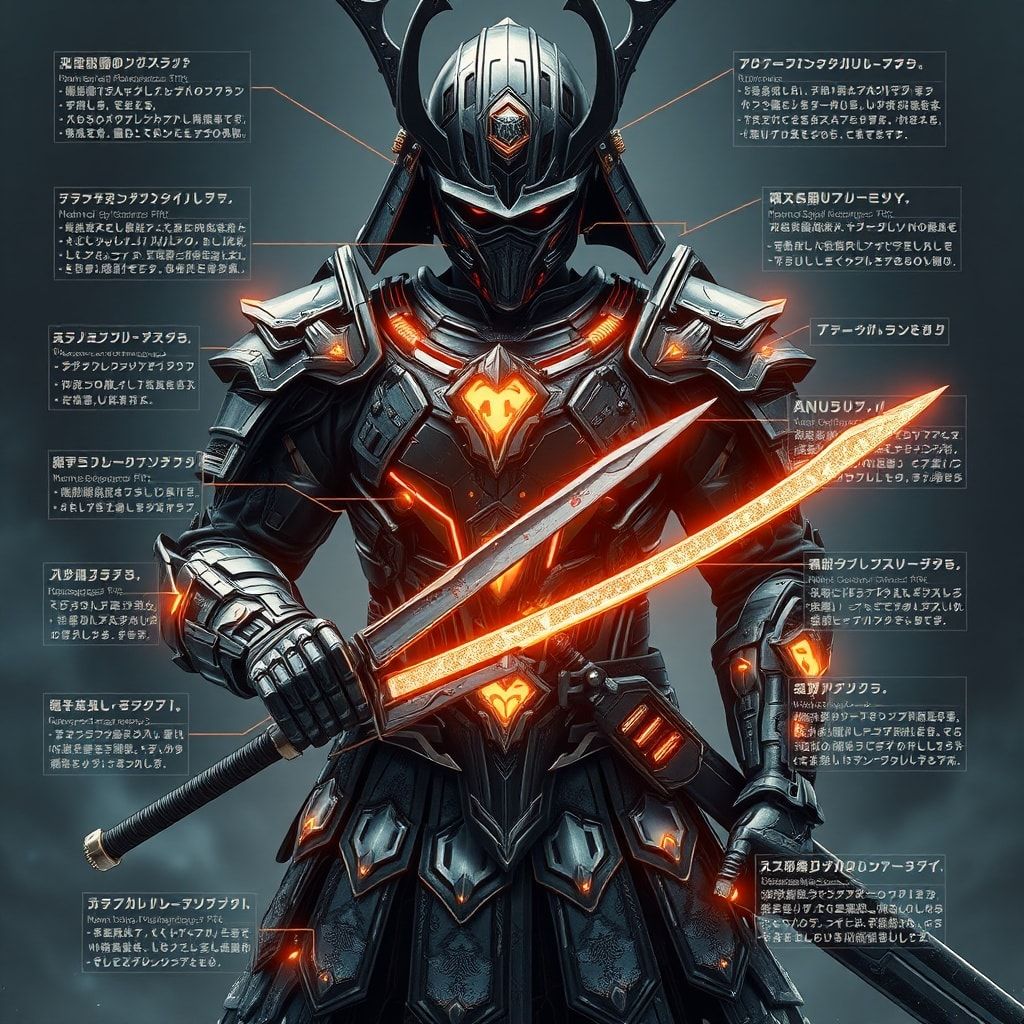
When we look back at the lineage of samurai‑themed anime—from the gritty realism of Rurouni Kenshin to the stylized cyber‑fantasy of Samurai 7—we see a pattern of studios testing the waters before committing fully. The 1990s saw studios like Sunrise experimenting with limited CGI, but the technology was too nascent to blend seamlessly with hand‑drawn art. Fast forward to the 2010s, and we witnessed a surge of hybrid productions, such as Attack on Titan, where digital backgrounds complemented traditional character animation. Cyber Samurai pushes this evolution further by integrating motion‑capture for fight choreography, a technique previously reserved for blockbuster movies.
Studio trends also reveal a shift in staffing. Veteran key animators who once specialized in cel work are now collaborating with 3D modelers, creating a cross‑disciplinary workflow that blurs the line between animator and technical director. Market shifts—particularly the rise of streaming platforms—have forced studios to prioritize binge‑worthy content, leading to tighter episode arcs and higher production values. In this context, Cyber Samurai isn’t just a sequel to a manga; it’s a litmus test for how traditional narratives can survive and thrive in a hyper‑digital era.
Technical Crunch: Lore Mechanics & Production Design

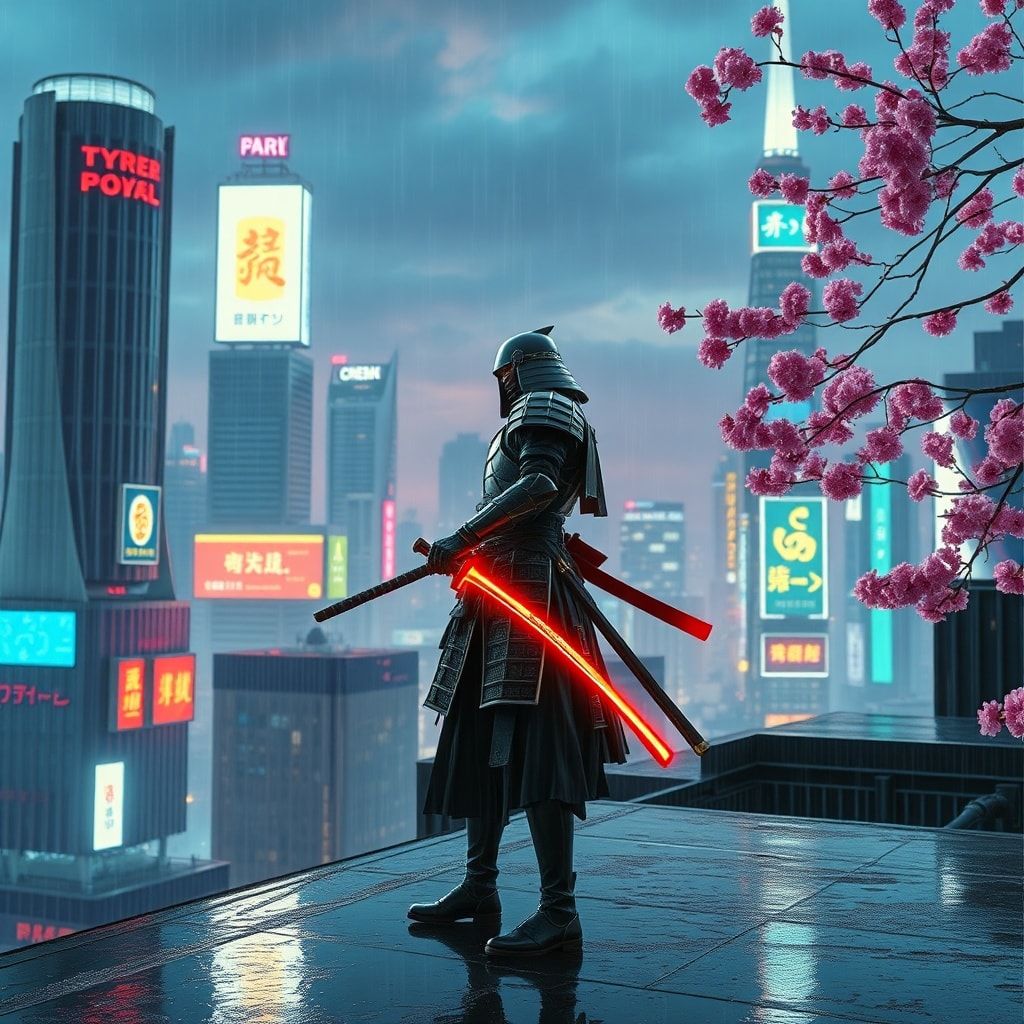
Diving into the mechanics, the series introduces “Quantum Katana” technology—a blade that can phase between physical and digital realms. This concept isn’t just flashy; it serves as a narrative device to explore identity fragmentation in a world where consciousness can be uploaded. The production team consulted with robotics engineers to design plausible nanomaterial schematics, ensuring that the on‑screen tech feels grounded. Moreover, the series employs a layered color grading process: base colors are hand‑painted, then overlaid with a digital “glow” filter that reacts to the character’s emotional state, creating a visual cue for viewers that mirrors the protagonist’s inner turmoil.
From a design standpoint, the cityscape is a hybrid of real‑world Tokyo landmarks and speculative architecture, built using Unreal Engine for real‑time rendering. This allows for dynamic lighting changes that reflect the story’s shifting tone—from neon‑bright market districts to rain‑soaked alleyways where shadows hide cyber‑netic assassins. The fight choreography leverages motion‑capture data from professional martial artists trained in kenjutsu, then augments it with particle effects that visualize the blade’s quantum slicing. These technical choices aren’t vanity; they deepen immersion, making the audience feel the weight of each strike and the ethical weight of wielding such power.
Future Implications: Sequel Paths & Cultural Ripples
Looking ahead, the success of the Cyber Samurai adaptation could set a precedent for other manga franchises to pursue high‑budget, tech‑heavy productions. If viewership numbers meet the studio’s ambitious targets, we may see a spinoff focusing on the series’ supporting characters, each exploring different facets of the quantum tech—perhaps a hacker‑turned‑samurai or a corporate AI seeking humanity. The franchise also opens doors for cross‑media collaborations: video games could adopt the series’ combat system, while novelizations might delve deeper into the philosophical debates raised by the quantum blade.
On a cultural level, the series challenges the otaku community to reconcile nostalgia with innovation. It forces long‑time fans to confront the idea that tradition can be digitized without losing its soul—a conversation that mirrors real‑world debates about AI and cultural preservation. As a veteran otaku, I can already smell the heated forum threads and the inevitable memes that will sprout from the series’ most iconic moments. The ripple effect will extend beyond anime forums into mainstream media, potentially influencing fashion, music, and even tech design as creators draw inspiration from the series’ aesthetic.
Let me tell you, when I first saw the teaser, I felt the same jittery excitement as when the original Neon Genesis Evangelion aired—only this time the stakes feel higher because the industry finally has the budget to match the ambition. The blend of hand‑drawn soul and cutting‑edge CGI is a risky cocktail; if it lands, it could usher in a new golden age where anime isn’t just a niche export but a global cinematic force. If it flops, we’ll be left with another cautionary tale about over‑inflated hype and under‑delivered substance.
My gut says the series will survive the initial wave of criticism because its core—honor versus technology—is a timeless conflict that resonates across cultures. The real test will be whether the studio can sustain this level of production across a full season without burning out its talent pool. As someone who’s watched studios rise and fall, I’ll be keeping a close eye on the staff turnover reports and the fan sentiment after the first few episodes. Either way, the conversation it sparks will be worth the watch.
Related Guides & Further Reading
Check out the Cyber Samurai archives.
Check out the Cyber Samurai archives.