7 Best Anime Swordsmen 2026: Why Dracule Mihawk Dwarfs Zoro
When you hear the term anime swordsmen, you instantly picture gleaming blades slicing through destiny, and the stakes feel as high as a pirate’s bounty. In 2026 the conversation has sharpened into a duel of legends, pitting the stoic hawk‑eyed Mihawk against the relentless swordsman Zoro. The ongoing debate over who actually dwarfs Zoro in 2026 can be explored in depth in our analysis of the top contenders. The clash isn’t just about who swings harder—it’s about narrative weight, market trends, and the very economics of fandom.
Verified News & Source Context for Anime Swordsmen

Dracule Mihawk’s official bounty stands at a staggering 3,590,000,000 Berries, a figure that catapults him into the upper echelons of One Piece’s power hierarchy, surpassing even many Four Emperors in raw monetary valuation. This bounty isn’t a random number; it reflects the World Government’s recognition of Mihawk’s unparalleled skill as the world’s greatest swordsman, a status cemented by his role as Chief Officer of the Cross Guild—a post‑Warlord organization tasked with hunting high‑value targets. According to VS Battles, Mihawk was 41 years old before the two‑year timeskip and 43 afterward, placing him in a mature, seasoned bracket that aligns with his “High 6‑A” tier (with a lower bound estimate of “Low 5‑B”). Such tier placement situates him among the most formidable anime characters, a classification that directly influences fan perception and merchandising potential. His signature sword, Yoru, is one of only twelve Supreme‑Grade Blades, a black sword of mythic rarity that not only serves as a narrative symbol but also as a design cornerstone for the series’ visual identity. The combination of a colossal bounty, elite guild leadership, and a legendary weapon creates a trifecta that makes Mihawk a benchmark for any discussion about anime swordsmen. For those seeking the primary source, see the official project page which compiles these stats and offers deeper analytical breakdowns.
Old Guard Perspective: Historical Context of Anime Swordsmen
To appreciate Mihawk’s current standing, we must travel back to the golden age of shōnen sword narratives—think of the 1990s with titles like “Rurouni Kenshin” and “Berserk,” where the swordsman archetype was defined by tragic pasts and philosophical duels. Those series set a template: a lone wanderer, a signature blade, and a moral code that often conflicted with the world’s chaos. One Piece, debuting in 1999, initially followed this mold with Zoro as the earnest, goal‑driven swordsman. However, as Eiichiro Oda’s studio matured, the focus shifted toward a more meta‑commentary on power scaling, culminating in Mihawk’s introduction as a foil that embodied the ultimate “anime swordsmen” ideal—an unapproachable apex that made earlier swordsmen feel like apprentices. Studio trends in the 2010s leaned heavily into power escalation, with animation quality improving to showcase intricate sword choreography, a shift evident in Mihawk’s fluid, almost balletic fight scenes. Moreover, the market’s appetite for collectible figures and high‑value merchandise propelled the design of Supreme‑Grade Blades like Yoru, turning them into lucrative product lines. This historical trajectory—from romanticized duels to hyper‑scaled powerhouses—explains why contemporary fans measure swordsmen against Mihawk’s benchmark, rather than the nostalgic standards set by earlier series.
Technical Crunch: Lore Mechanics Behind Anime Swordsmen
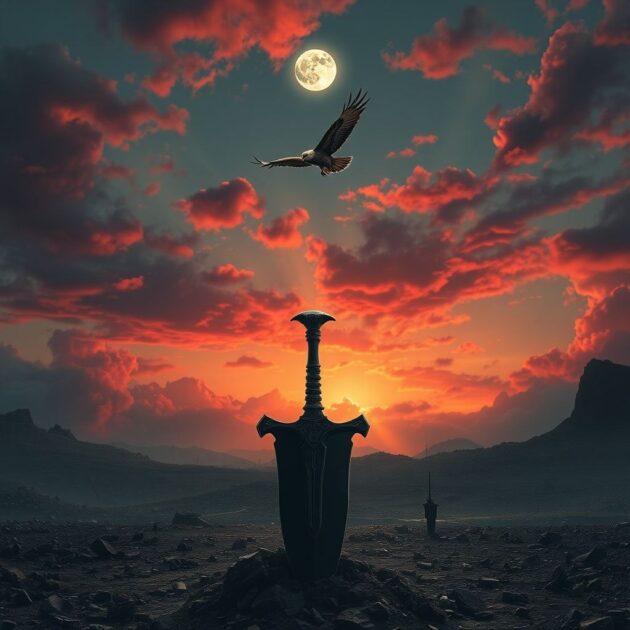
The lore surrounding Mihawk is a masterclass in layered world‑building. First, his age—41 before the timeskip, 43 after—places him in a rare demographic: old enough to have mastered countless sword styles, yet still physically prime, a balance that justifies his “High 6‑A” tier. VS Battles’ tier system evaluates characters on a composite of raw power, technique, durability, and influence; Mihawk’s placement indicates he can outclass most characters in direct combat while also possessing strategic acumen as the Cross Guild’s chief officer. Yoru, his black blade, is classified as a Supreme‑Grade Sword, meaning it is forged from a unique ore that can cut through even other high‑grade weapons without dulling. This mechanic not only reinforces Mihawk’s dominance but also creates narrative tension: any opponent wielding a lesser blade is automatically at a disadvantage, a trope that heightens drama in fight choreography. Additionally, his bounty of 3.59 billion Berries is not merely a plot device; it functions as a quantifiable metric for fans to compare him against other top‑tier characters across franchises, influencing power‑scaling debates on forums and social media. The convergence of age, tier, weapon rarity, and bounty creates a multi‑dimensional profile that makes Mihawk the definitive case study for what defines an elite anime swordsman in modern storytelling. For a broader view of the top seven blade masters, see our breakdown of the top seven strongest fighters.
Future Implications for Anime Swordsmen and the Mihawk‑Zoro Dynamic
The ripple effects of Mihawk’s towering status extend far beyond One Piece’s narrative. As the series approaches its climax, the inevitable showdown between Mihawk and Zoro is poised to become a cultural milestone, setting a new benchmark for sword duels in anime. Should Zoro finally surpass his master, the victory would not only serve as character culmination but also recalibrate the power hierarchy across shōnen titles, prompting other franchises to introduce comparable “ultimate swordsmen” to stay competitive. From a commercial standpoint, a definitive Zoro‑Mihawk clash promises a surge in merchandise—limited‑edition replicas of Yoru, exclusive figurines, and high‑resolution art books—fueling both primary and secondary markets. Moreover, the Cross Guild’s emergence hints at future spin‑offs or cross‑media projects, potentially exploring bounty‑hunter narratives that could broaden the One Piece universe and attract new demographics.
Listen, kid, the moment you start measuring swordsmen by bounty numbers, you’ve already sold your soul to the data‑driven hype machine that runs the industry. Mihawk’s 3.59 billion Berries are less about his skill and more about the publisher’s desire to slap a price tag on prestige, turning a character into a walking billboard. The real art lies in how Oda weaves that prestige into the story—Mihawk isn’t just a rich target; he’s the embodiment of an unattainable ideal that forces every swordsman, especially Zoro, to confront their own limitations. If you ignore that narrative weight and focus solely on numbers, you’ll miss why fans actually care.
Now, about Zoro finally eclipsing Mihawk—don’t get your hopes up that it’ll be a clean, feel‑good moment. The industry loves a good underdog story, but it also loves to keep the myth alive. Expect a prolonged arc, maybe a new blade, and a whole slew of “what‑if” merch that keeps the cash flowing long after the final slash. In short, the future of anime swordsmen is a delicate dance between storytelling ambition and the relentless grind of market forces—one that only a true otaku nomad can navigate without losing his soul to the grind.
Related Guides & Further Reading
Check out the anime swordsmen archives.


