When Heroes Turn One‑Dimensional: The Dark Rise of Anime Flanderization in 2024
Anime flanderization has become the silent thief stealing nuance from beloved series, and if you think it’s just a niche gripe, you’re about to get a masterclass in why it matters. The last few years have seen once‑multifaceted protagonists reduced to punch‑line props, a trend that threatens both storytelling integrity and fan investment. Buckle up, because we’re diving deep into the data, the history, the mechanics, and the looming future of this phenomenon. For a comprehensive overview, explore our full anime flanderization guide.
Documented Cases of Anime Flanderization

- In the Slayers saga, Gourry Gabriev begins as a competent, occasionally heroic swordsman in Season 1 (1995), but by Season 5 (1999) he devolves into a one‑note “idiot” whose sole purpose is slapstick relief—one of the most infamous flanderized characters in recent memory. This shift mirrors the production’s pivot toward lighter, episodic humor to capture a broader audience, sacrificing narrative depth for quick laughs.
- Similarly, Brock from Pokémon starts as Ash’s mentor and caretaker in the first 30 episodes, only to become a pervy woman‑chaser by Episode 80 (1998), reflecting a studio decision to inject recurring comic gags that would resonate with a younger demographic.
- Azumanga Daioh compresses a four‑volume manga into 26‑minute episodes, forcing characters like Osaka into exaggerated “creepy” oddball caricatures—a clear case of time constraints driving flanderization.
- In Naruto, Hinata Hyuga’s shy confidence is blown into a fainting gag whenever Naruto appears, a change that begins in Shippuden Episode 6 (2010) and underscores how long‑running shōnen series lean on visual jokes to maintain pacing.
- Finally, Sanji of One Piece transitions from a skilled chef with occasional flirtation (1999‑2001) to a lecherous pervert dominating screen time by Episode 219 (2002)—another prime example of flanderization highlighted in the breakdown of the worst‑flanderized characters.
Each of these instances is not merely anecdotal; they are documented trends that reveal how market pressures, episode counts, and target demographics can drive a systematic erosion of character depth across the anime industry.
The Old Guard’s Perspective on Character Depth
Golden‑Age Studios and Evolving Arcs
Looking back to the golden age of anime in the 80s and early 90s, studios like Studio Ghibli and Madhouse prioritized character arcs that evolved over multiple seasons, often allowing protagonists to retain their core traits while growing organically. For instance, the original Mobile Suit Gundam series treated its cast as nuanced individuals whose motivations shifted with the war’s tides, a stark contrast to the later Gundam spin‑offs where characters become archetypal pilots defined by a single catchphrase.
Shift to Seasonal Releases and Data‑Driven Choices
This evolution was partly due to longer production cycles and a market less obsessed with immediate merchandise turnover. As the 2000s ushered in the “anime boom” overseas, studios faced pressure to produce content at a breakneck pace, leading to staff turnover and a reliance on formulaic scripts. The rise of “seasonal” anime—short, 12‑episode runs—forced writers to condense storylines, often at the expense of character development. Moreover, the influx of streaming platforms introduced data‑driven decisions: characters that generated the most social media buzz (often the most flamboyant or comedic) were amplified, while subtler traits were pruned. This shift mirrors the transition from auteur‑driven productions to committee‑style decision making, where the lowest common denominator wins. Veteran directors have lamented the loss of “slow‑burn storytelling” in favor of “instant meme‑ability.”
Production Shortcuts that Power Flanderization

Design and Script Efficiencies
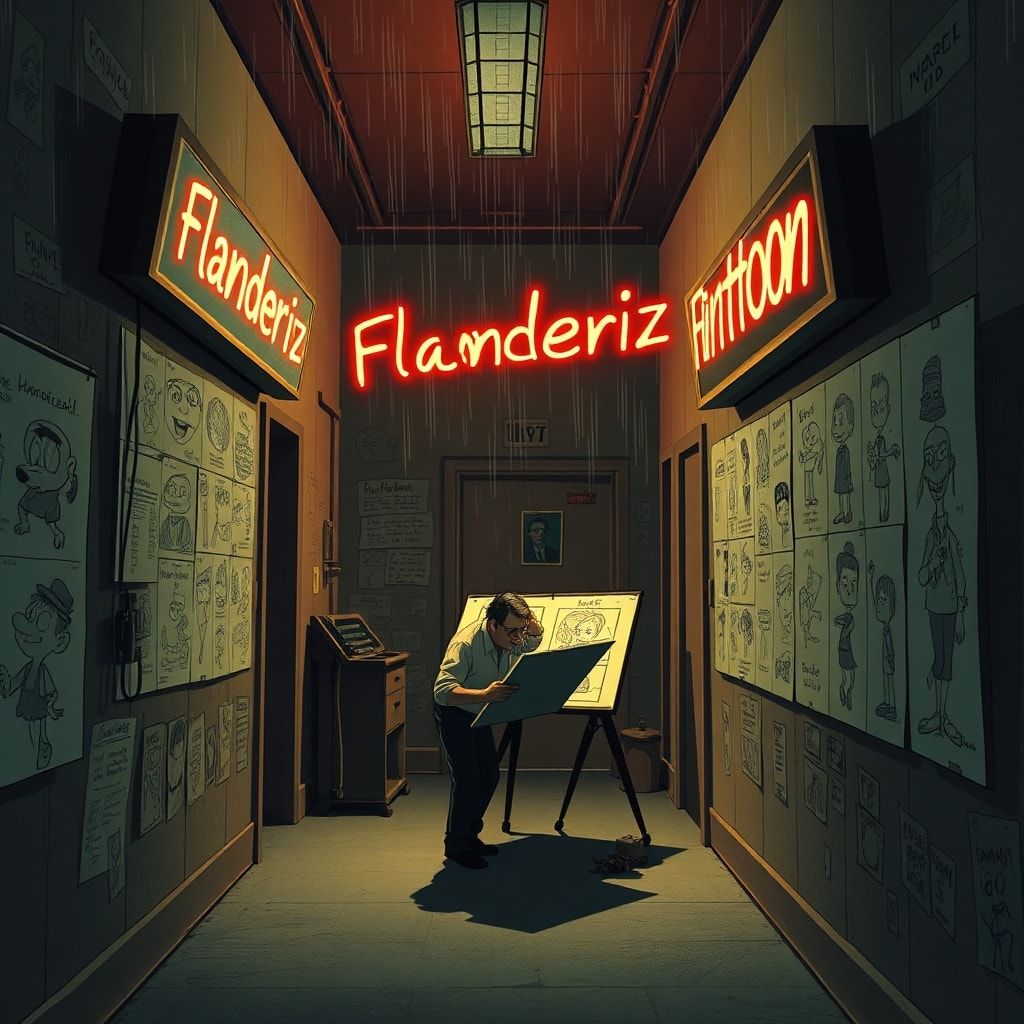
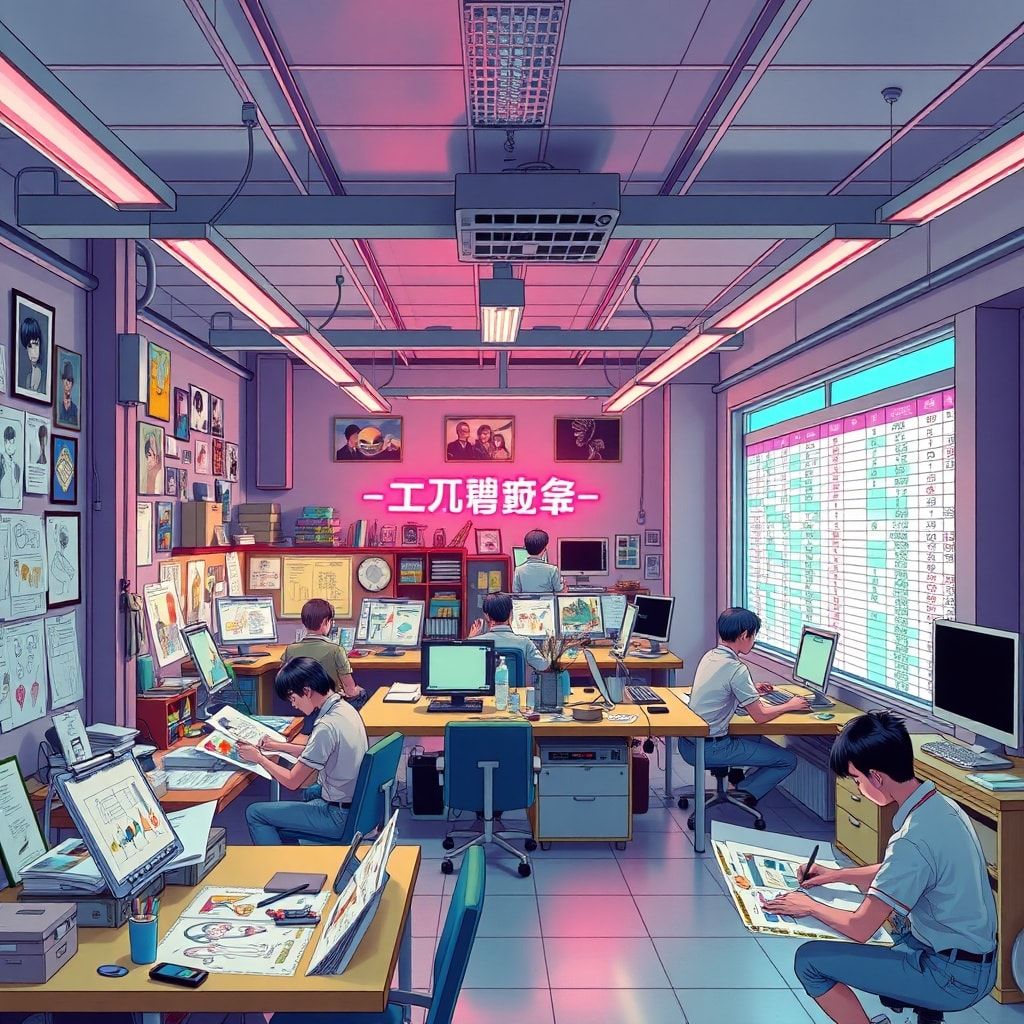
From a production standpoint, flanderization is not merely a narrative shortcut; it is encoded into the very mechanics of anime creation. Character design sheets, initially rich with multiple expressions, poses, and back‑story notes, are often pared down to a single “signature” pose once a trait becomes the focal point. This reduction saves animators hours of drawing time per episode, directly impacting the budget. Moreover, scriptwriters employ a “trait‑loop” formula: identify a distinctive trait, repeat it in a set pattern (e.g., Brock’s pervy advances every 5 episodes), and anchor the episode’s humor around it. This loop simplifies storyboarding and voice direction, allowing for faster turnaround.
Narrative Consequences and Audience Metrics
In terms of lore, the consequences are profound. When Hinata’s shyness is exaggerated to fainting, the Hyuga clan’s political significance is sidelined, erasing opportunities for world‑building. Similarly, Sanji’s lecherous focus eclipses his culinary expertise, diminishing the series’ exploration of food culture and its symbolic ties to camaraderie. These compressions also affect fan engagement metrics: social media algorithms amplify recurring jokes, reinforcing the cycle of flanderization. On the technical side, voice actors may be typecast, limiting their range and leading to a homogenized auditory palette across series. Ultimately, the mechanics of flanderization serve as a cost‑saving measure, but they also rewire the storytelling DNA of a franchise, turning complex ecosystems into single‑note caricatures.
Projected Outcomes for Anime Storytelling
Risks of Continued Flanderization
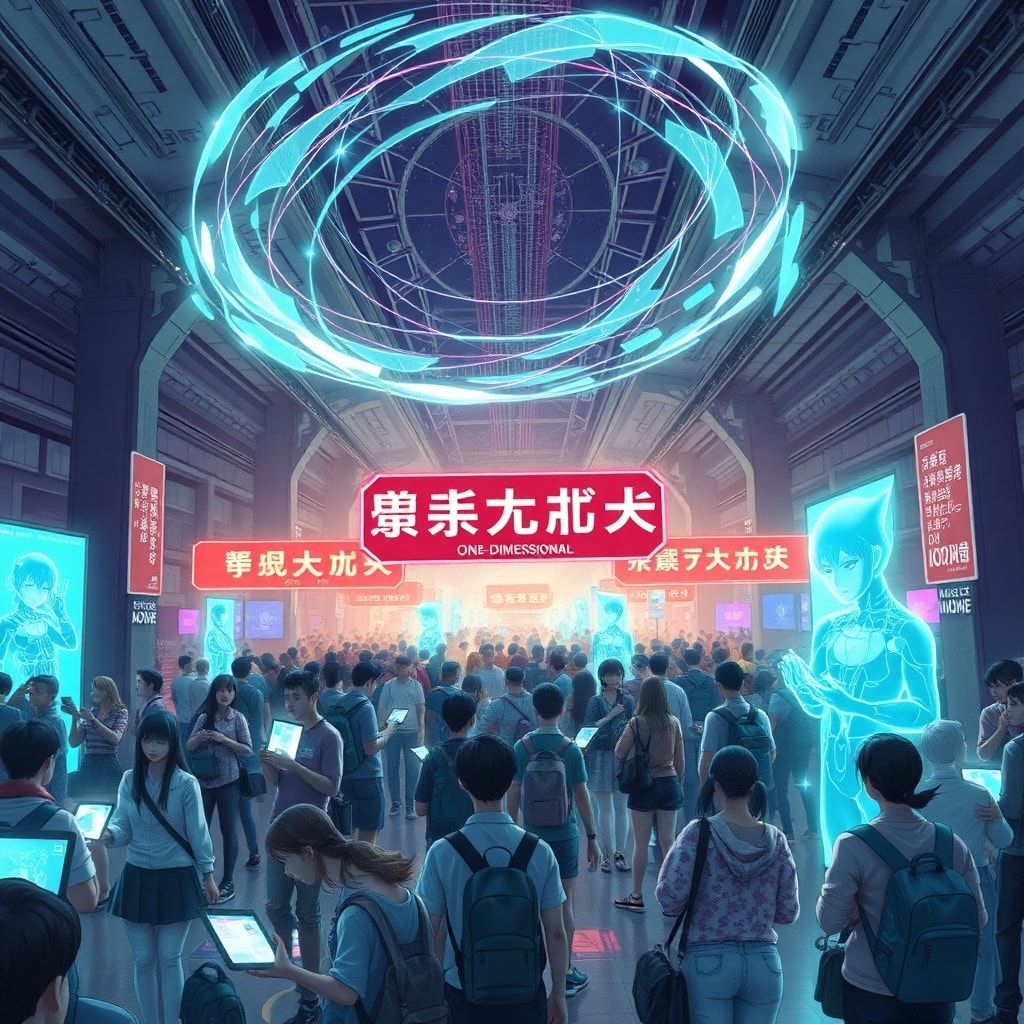
The trajectory of anime flanderization suggests both risk and opportunity for upcoming franchises. On one hand, continued reliance on one‑dimensional traits may alienate long‑term fans seeking depth, potentially driving them toward alternative media such as visual novels or manga where character nuance persists. Studios that double‑down on flanderization could see short‑term spikes in viewership due to meme‑friendly content, but may suffer brand fatigue, as seen with the declining ratings of series that over‑emphasized pervy humor after initial success.
Opportunities for Narrative Innovation
Conversely, a growing awareness of the issue among creators—spurred by veteran voices and scholarly critiques—could inspire a renaissance of “character‑centric” storytelling. Emerging studios are already experimenting with hybrid formats, blending episodic humor with overarching arcs that allow traits to evolve rather than stagnate. This could reshape merchandising strategies, shifting focus from static character goods to dynamic, narrative‑driven experiences like interactive streaming events. Additionally, as AI‑assisted animation becomes mainstream, there is potential for algorithms to detect and flag repetitive trait usage, prompting writers to diversify character palettes. The industry stands at a crossroads: either embrace the efficiency of flanderization and risk creative stagnation, or invest in richer character development that may demand more resources but promises lasting cultural impact.
Listen, kiddo, the moment you start treating a hero like a walking punch‑line, you’ve sold your soul to the highest bidder—those merch guys who think a character’s worth is measured in how many times they can say “I’m sorry” while flashing a pervy grin. The veterans who survived the analog era know that depth is the currency of longevity; strip it away and you’re left with a flash‑in‑the‑pan meme that fades faster than a seasonal anime’s opening theme.
My advice? Demand more than a single catchphrase. Push studios to give their characters the room to breathe, to grow, to make mistakes that matter beyond a laugh track. If you keep feeding the beast of flanderization, you’ll end up with a catalog of hollow shells—great for quick cash, terrible for the soul of the medium. And that, my friend, is the real tragedy of modern anime.
Related Guides & Further Reading
Check out the anime flanderization archives.