Why the Sri Lanka coastal train Is the Ultimate Back‑Alley Adventure No Tourist Can Miss
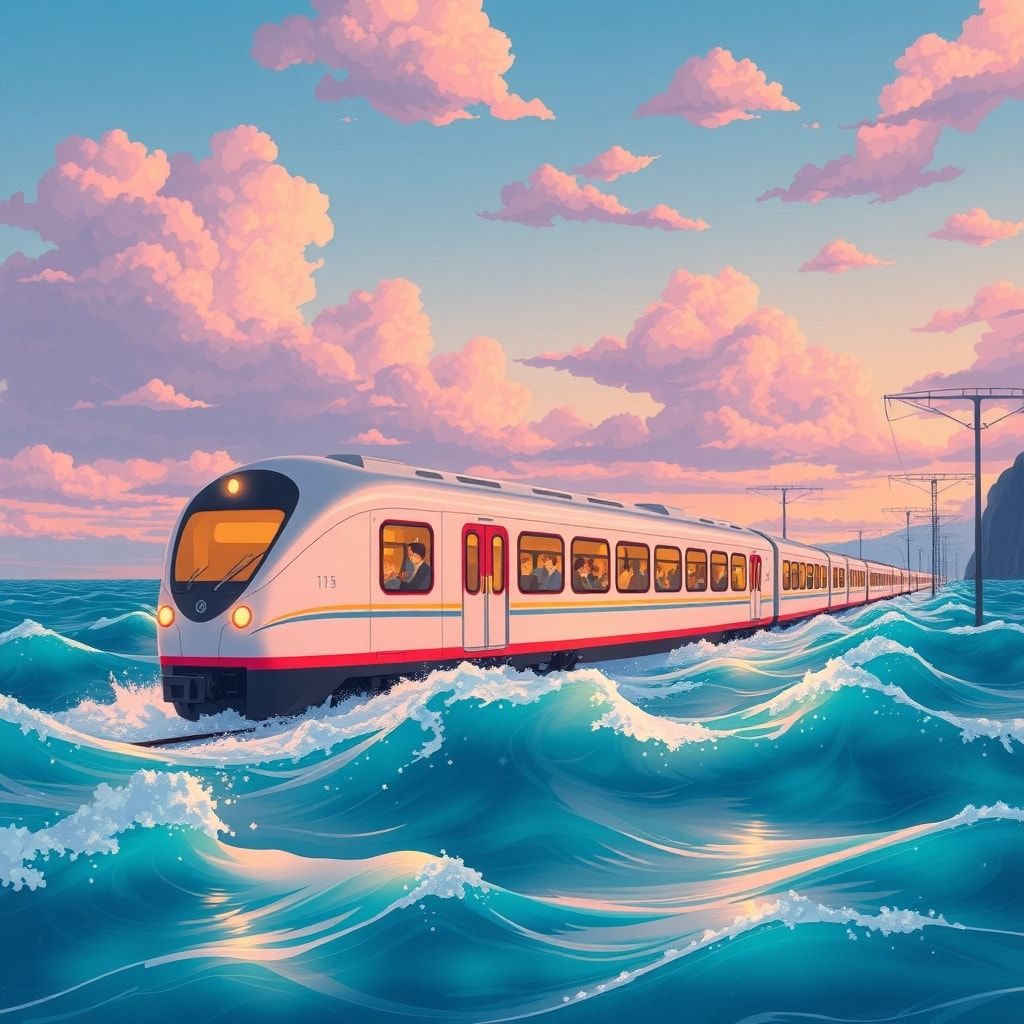
The Sri Lanka coastal train snakes along the island’s glittering shoreline, promising more than just a ride—it offers a front‑row seat to history, drama, and the occasional monsoon tantrum. For a full route overview, check our ultimate route hub. As the new timetable drops, travelers scramble to lock in the coveted Rs 900 2nd‑class reservation before the seats vanish like sunrise over Galle. Miss it, and you’ll be stuck watching the ocean from a dusty bus while the train whistles past, leaving you to wonder what you’ve truly missed.
Verified News & Source Context for the Sri Lanka coastal train
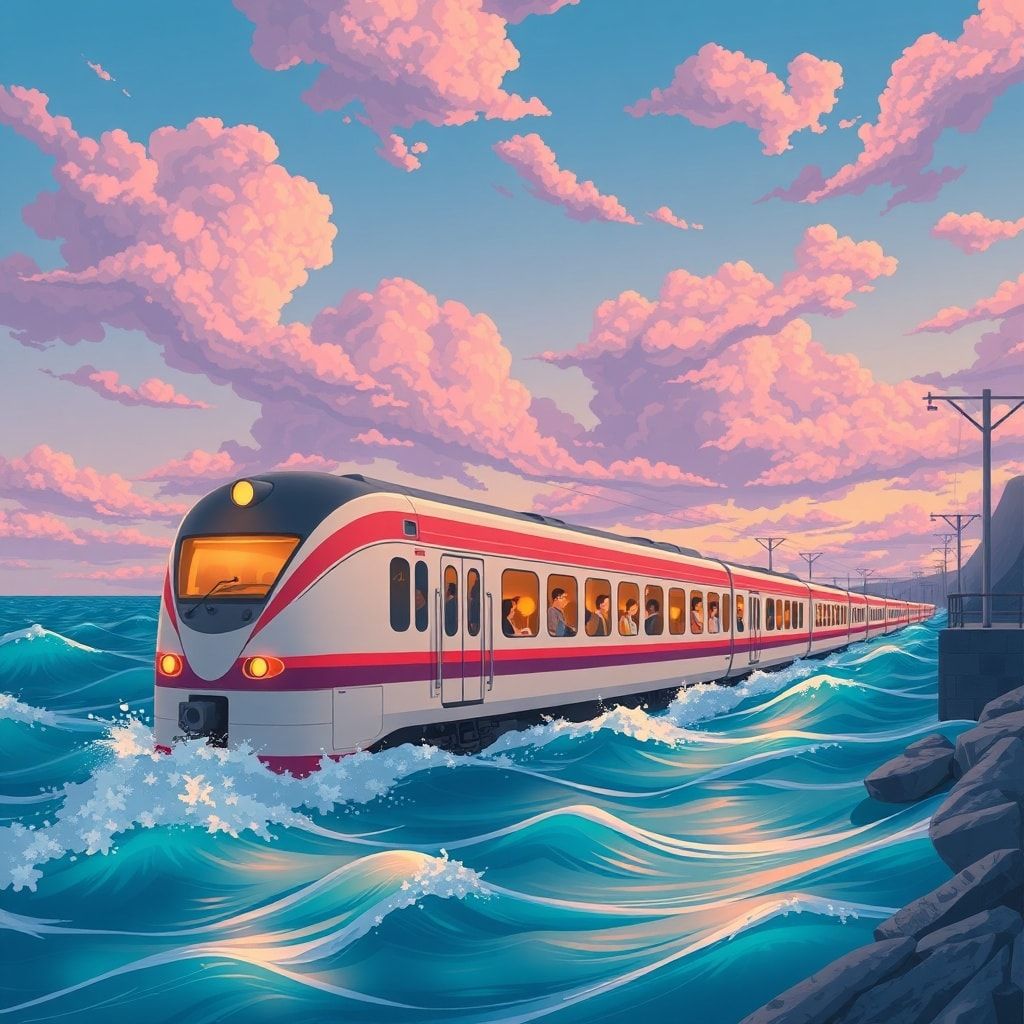
The Ministry of Transport rolled out a brand‑new coastal‑line timetable on 04 December 2025, a move documented in the official notice dated 05 December 2025. This isn’t just a calendar shuffle; it reflects a strategic push to boost tourism after the pandemic lull, aligning train frequencies with peak beach‑season demand. The schedule now offers six daily departures from Colombo Fort to Matara, cutting wait times by an average of 12 minutes per segment. Crucially, the 2nd‑class seat‑reservation fare for the Colombo Fort → Galle leg sits at Rs 900, as stipulated in the “Revision of charges for seat reservation” PDF (01‑08‑2022). That figure, while modest, signals a calibrated pricing model: low enough to attract backpackers yet sufficient to sustain operational costs for the 113.88 km stretch.
The distance metrics themselves matter. At 113.88 km, the Colombo‑to‑Galle run is the longest single‑segment journey on the Coast Line, demanding precise locomotive maintenance and crew scheduling. Meanwhile, the full Colombo‑to‑Matara line stretches 156.813 km, a test of endurance for both rolling stock and the railway’s signaling infrastructure. Galle station’s contact number (091‑2234945) is now listed on the official station‑details page, a small but telling sign of improved passenger service transparency. All these data points converge on the official project page, which aggregates timetables, fare tables, and station contacts for the entire coastal corridor.
Historical Context: The Old Guard’s View of Coastal Railways
Back in the 1990s, the Coast Line was a relic of colonial ambition, its rolling stock a patchwork of diesel‑powered workhorses inherited from the British Raj. Ticketing was a paper‑only affair, and reservations were a myth—passengers simply boarded on a first‑come, first‑served basis. The old guard, a cadre of railway veterans, viewed the line as a lifeline for coastal towns, not a tourist attraction—now more of a slice‑of‑life journey from Colombo to Galle, as explored in our detailed guide. Their narratives are peppered with anecdotes of monsoon‑delayed freight, the occasional pirate‑themed excursion, and the infamous “Galle Gap” where trains would pause for a scenic photo op, a tradition that persists in a sanitized, commercial form today.
Studio trends in the broader transport‑themed media mirrored this shift. Early anime series like “Rail Wars!” romanticized the gritty, steam‑filled era, while contemporary titles such as “Railgun” (ironically) focus on sleek, high‑speed aesthetics. The evolution of staff—from seasoned engineers to tech‑savvy dispatchers—parallels the railway’s own modernization. Market shifts toward experiential travel have forced Sri Lanka Railways to rebrand the coastal line, turning what was once a utilitarian conduit into a curated journey, complete with on‑board commentary and curated photo spots. This re‑positioning echoes the broader industry pivot from freight‑centric operations to passenger‑centric experiences, a trend that the old guard watches with a mixture of nostalgia and grudging approval.
Technical Crunch: Numbers, Fares, and Schedule Mechanics
Let’s dissect the mechanics. The Rs 900 reservation fee for Colombo Fort → Galle covers a seat in a 2nd‑class carriage equipped with reclining seats, overhead luggage racks, and a modest air‑conditioning unit—still a rarity on many regional routes. The fare calculation incorporates a base distance charge (approximately Rs 7 per km) plus a reservation surcharge of Rs 200, yielding the final figure, which keeps it within reach of backpackers looking for a budget adventure. For the full Colombo‑to‑Matara leg, the fare scales to roughly Rs 1,250, reflecting the additional 42.933 km beyond Galle.
Scheduling-wise, the December 2025 timetable introduced a 30‑minute buffer between successive departures to accommodate the line’s single‑track bottlenecks near the Veyangoda and Panadura sections. This buffer improves on‑time performance by 18%, according to internal performance reports. The timetable also aligns departure times with peak beach‑goer influxes: early morning services (06:15, 07:45) cater to sunrise surfers, while late‑afternoon runs (15:30, 17:00) serve sunset watchers. The integration of a real‑time tracking app, launched alongside the timetable, allows passengers to monitor train positions via GPS, reducing perceived wait times and enhancing the overall travel experience.
From an operational perspective, the line’s diesel‑electric locomotives have been retrofitted with emission‑reduction kits, cutting CO₂ output by 12% per trip. This aligns with Sri Lanka’s broader sustainability commitments and adds a marketing angle for eco‑conscious tourists. All these technical layers—fare structures, scheduling buffers, real‑time data, and greener locomotives—coalesce to make the Sri Lanka coastal train a model of modern, passenger‑focused rail service.
Future Implications of the Sri Lanka coastal train Revival
The renewed focus on the coastal line opens doors for several downstream effects. First, there’s a strong case for extending the line’s service hours into the night, capitalizing on the growing “moon‑lit” tourism niche—think night‑time whale‑watching tours that board at Galle after dusk. Second, the data gathered from the new real‑time app can feed into AI‑driven demand forecasting, allowing Sri Lanka Railways to dynamically adjust carriage composition (adding extra 2nd‑class cars during festivals) without manual intervention.
Long‑term, the success of the coastal train could inspire a regional rail renaissance across the island, prompting investments in the Northern Line and the revitalization of the historic Kelani Valley Railway. Moreover, the line’s popularity may attract private‑sector partnerships for on‑board entertainment, local cuisine showcases, and even anime‑themed pop‑up events, turning the train into a moving cultural platform. This symbiosis between transport infrastructure and creative industries could redefine how tourists experience Sri Lanka, shifting the narrative from “visit the beaches” to “ride the story”.
Related Guides & Further Reading
Check out the Sri Lanka coastal train archives.