Why Mexico City solo Adventures Are the Ultimate Budget Test for Fearless Women
Traveling alone as a woman can feel like stepping onto a stage where every spotlight is both a threat and an opportunity. Mexico City solo explorers quickly learn that the city’s pulse is measured in pesos, Wi‑Fi signals, and the rhythm of its buses. Before you dive in, check out our comprehensive Mexico City budget hub for detailed cost breakdowns and savings tips. You’ll also want to visit our Mexico City solo hub for curated safety tips and itinerary ideas. The stakes? Your safety, your wallet, and the unforgettable stories you’ll brag about for years.
Getting Around Mexico City solo: Transit Truths

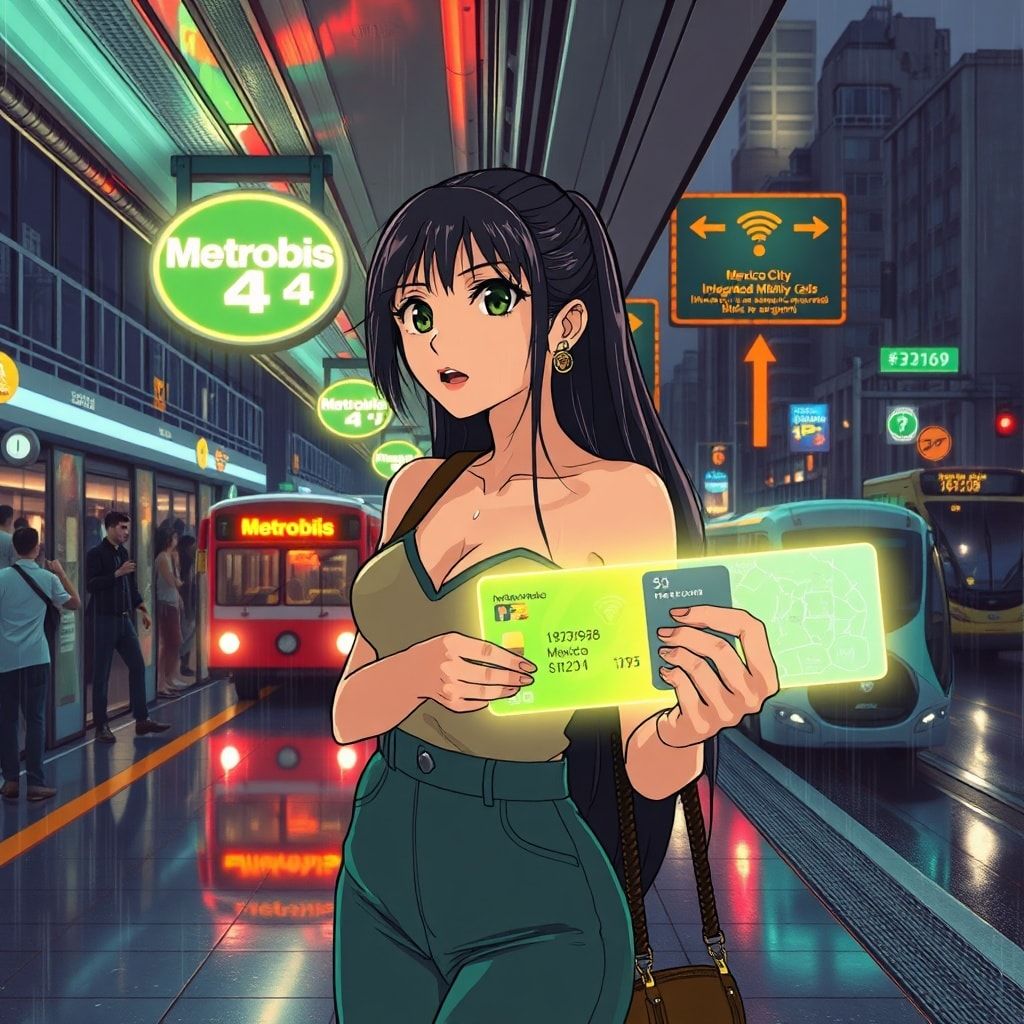
The Integrated Mobility Card (Tarjeta de Movilidad Integrada) is the golden ticket for any traveler who wants to dodge the chaos of cash‑only ticket booths. Purchased at any Metro or Metrobús station, this card unlocks the entire public‑transport network—Metro, Metrobús, RTP, and even some suburban trains. A single Metrobús ride costs exactly 6 Mexican pesos when you swipe the card, a price so low it feels like a secret handshake among locals.
Why does this matter? First, the card eliminates the need for loose change, which can be a nightmare when you’re navigating a foreign city after a late‑night taco run. Second, it provides a transparent cost structure, allowing solo female travelers to budget daily transport expenses with surgical precision. The official project page details the card’s rollout and its role in the city’s push for a cash‑less future, reflecting a broader trend toward integrated mobility solutions across Latin America.
At the airport, the rules tighten. Authorized taxis inside the terminal are the only legal option; rogue cabs waiting outside are illegal and should be avoided. For the budget‑savvy, Metrobús Line 4 offers a direct, low‑cost link from the airport to the city core, shaving off both money and the anxiety of dealing with unregulated drivers. This line runs every 10‑15 minutes, and a single ride still costs the same 6 pesos, making it the most economical bridge between the runway and the bustling streets of Mexico City.
Historical Transit Tales: From Trolleybuses to Metrobús
Mexico City’s transit story reads like an epic saga of adaptation. In the 1970s, the city relied heavily on trolleybuses and a sprawling Metro system that was a marvel of its time. Fast forward to the 2010s, and the Metrobús emerged as a Bus Rapid Transit (BRT) system designed to alleviate congestion and modernize the commuter experience. This evolution mirrors the city’s broader urban renewal efforts, where old infrastructure is retrofitted with cutting‑edge technology.
For solo female travelers, the historical shift is more than nostalgia; it’s a safety upgrade. Early Metro stations were notorious for dim lighting and limited surveillance, whereas today’s Metrobús stations boast CCTV, better lighting, and staff presence. The transition also reflects a cultural shift: the city’s authorities now prioritize gender‑inclusive design, adding women‑only spaces in some stations and promoting campaigns that encourage respectful behavior on public transport.
Understanding this lineage helps travelers appreciate why certain routes feel safer or more reliable. The Metrobús, with its dedicated lanes and frequent service, is a direct descendant of the city’s commitment to efficient, inclusive mobility—a commitment that has been honed over decades of trial, error, and public feedback.
Technical Crunch: Cards, Costs, and Connectivity

Let’s dissect the mechanics that make Mexico City a solo traveler’s playground. The Integrated Mobility Card isn’t just a plastic slip; it’s a data hub that records each swipe, enabling the transit authority to analyze rider patterns and adjust service frequency. For the traveler, this translates to real‑time updates via the official app, which shows bus arrival times, service alerts, and even crowding levels—crucial data when you’re navigating alone at night.
Cost‑wise, the 6‑peso Metrobús fare is a fraction of what you’d pay for a private ride. A typical day of hopping between museums, markets, and neighborhoods can be kept under 150 pesos (≈ US$8) if you stick to the card, as outlined in our solo‑female budget guide. If you’re planning a week‑long stay, our 5‑day budget guide shows how to stretch every peso without missing out on the city’s highlights. Add to that the city‑wide free Wi‑Fi network—dubbed “Free Wifi”—which blankets major tourist zones, allowing you to check maps, book rides, or call home without burning data. This network is the largest free‑coverage area in the world, a fact that underscores Mexico City’s ambition to be a digitally connected metropolis.
Why does this matter for safety? Constant connectivity means you can share your location with trusted contacts, summon emergency services via apps, and stay informed about any transit disruptions that could strand you in an unfamiliar area. The synergy of low‑cost transport, integrated payment, and ubiquitous Wi‑Fi creates a safety net that empowers solo female travelers to move confidently.
Future Implications for Solo Travelers in Mexico City
The trajectory points toward even smarter mobility. Plans are already afoot to integrate contactless NFC payments across bike‑share programs and electric scooters, expanding the “card ecosystem” beyond buses and metros. For solo women, this means more options to choose low‑risk, short‑distance travel modes that keep you within sight of crowds and well‑lit streets.
Moreover, the city’s commitment to gender‑focused safety initiatives—such as increased lighting in stations, women‑only carriages during peak hours, and public awareness campaigns—suggests a cultural shift that will likely reduce harassment incidents. This aligns with what we explored in our budget test for fearless travelers. As the free Wi‑Fi network expands, real‑time safety alerts could become standard, warning travelers of any localized disturbances.
For an even deeper dive into budgeting strategies, see our budget power‑play guide, which breaks down how to maximize every peso while staying safe.
Listen up, green‑horns: the moment you think you’ve “figured out” Mexico City solo, the city will throw a new line of BRT or a pop‑up bike lane at you. The Integrated Mobility Card is your lifeline, but it’s also a data goldmine for the authorities—so they’ll know exactly where you wander, which can be a double‑edged sword. Use it wisely, keep your phone charged, and never, ever assume a quiet street is safe just because the Wi‑Fi signal is strong.
And another thing—don’t get complacent with the free Wi‑Fi. It’s a blessing for budget‑travelers, but it’s also a playground for hackers. Always use a VPN, double‑check URLs, and keep your personal info locked tighter than a subway turnstile at rush hour. Solo travel in Mexico City is a thrill ride; you just need to keep your seatbelt fastened and your senses sharp.
Related Guides & Further Reading
Check out the Mexico City solo archives.