Why Mexico City solo Adventures Are the Ultimate Budget Test for Fearless Female Travelers
Ever wondered if you can explore a megacity on a shoestring without compromising safety? Our budget hub, and our Mexico City solo hub provides the numbers you need. Mexico City solo offers a paradoxical blend of sprawling culture and surprisingly affordable infrastructure, perfect for the intrepid woman on her own. The stakes? Balancing a tight budget, navigating a massive transit network, and staying secure in neighborhoods that shift from historic charm to neon‑lit hustle.
Getting Around: The Metro & Metrobús in Mexico City solo Adventures
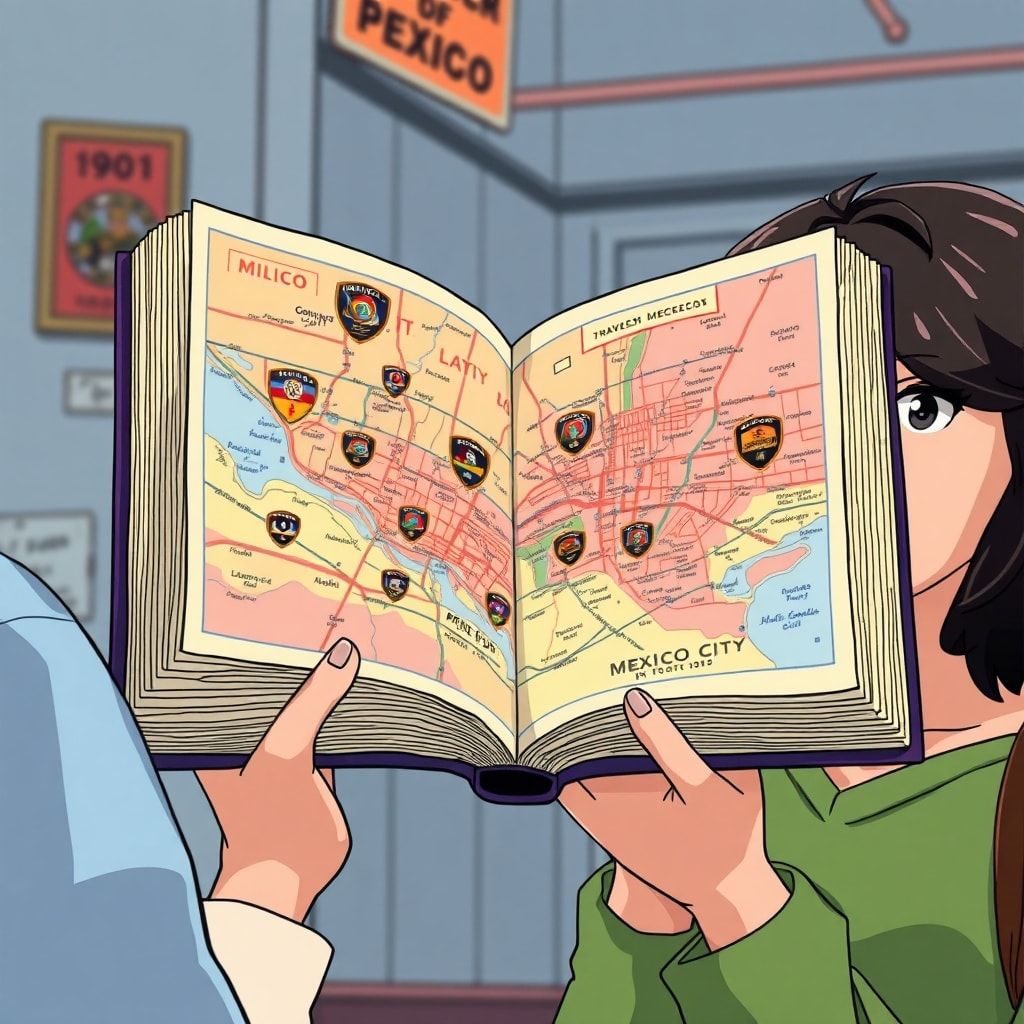
The Mexico City Metro is the backbone of any solo itinerary, and its pricing is as blunt as a shuriken: a single ride costs a mere 5 MXN, roughly a quarter of a US dollar. This fare can be paid with a disposable paper ticket or, for the savvy traveler, the Integrated Mobility Card (Mi Card). If you’re looking for extra budget‑savvy routes, our budget hack guide dives deeper into stretching each peso. The Mi Card itself is a modest 10 MXN investment, purchasable at any ticket booth, vending machine, or airport kiosk. Once loaded, the card becomes a Swiss‑army‑knife of transit: it unlocks Metro, Metrobús, and even the Ecobici bike‑share system, making it indispensable for a budget‑conscious explorer.
Operating hours further sweeten the deal. Weekdays run from 05:00 to midnight, Saturdays from 06:00, and Sundays plus public holidays from 07:00—all providing ample windows for late‑night museum hops or early‑morning market raids. The Metrobús, a rapid‑bus corridor that snakes through key arteries, charges 6 MXN per ride and also requires the Mi Card, streamlining transfers without fumbling for cash. This integrated approach reduces transaction friction, a crucial factor when you’re navigating a foreign city alone and can’t afford to waste time or money on language‑heavy ticket counters.
From a production standpoint, the city’s transport authority has deliberately kept fares low to encourage public usage, reduce traffic congestion, and promote sustainability. The low cost also indirectly supports tourism, especially for solo female travelers who often prioritize safety and affordability. For those who love data, the fare structure is transparent and predictable, allowing you to budget daily transport expenses down to the peso. For a full breakdown, see the official project page.
Historical Safety Landscape for Solo Female Travelers
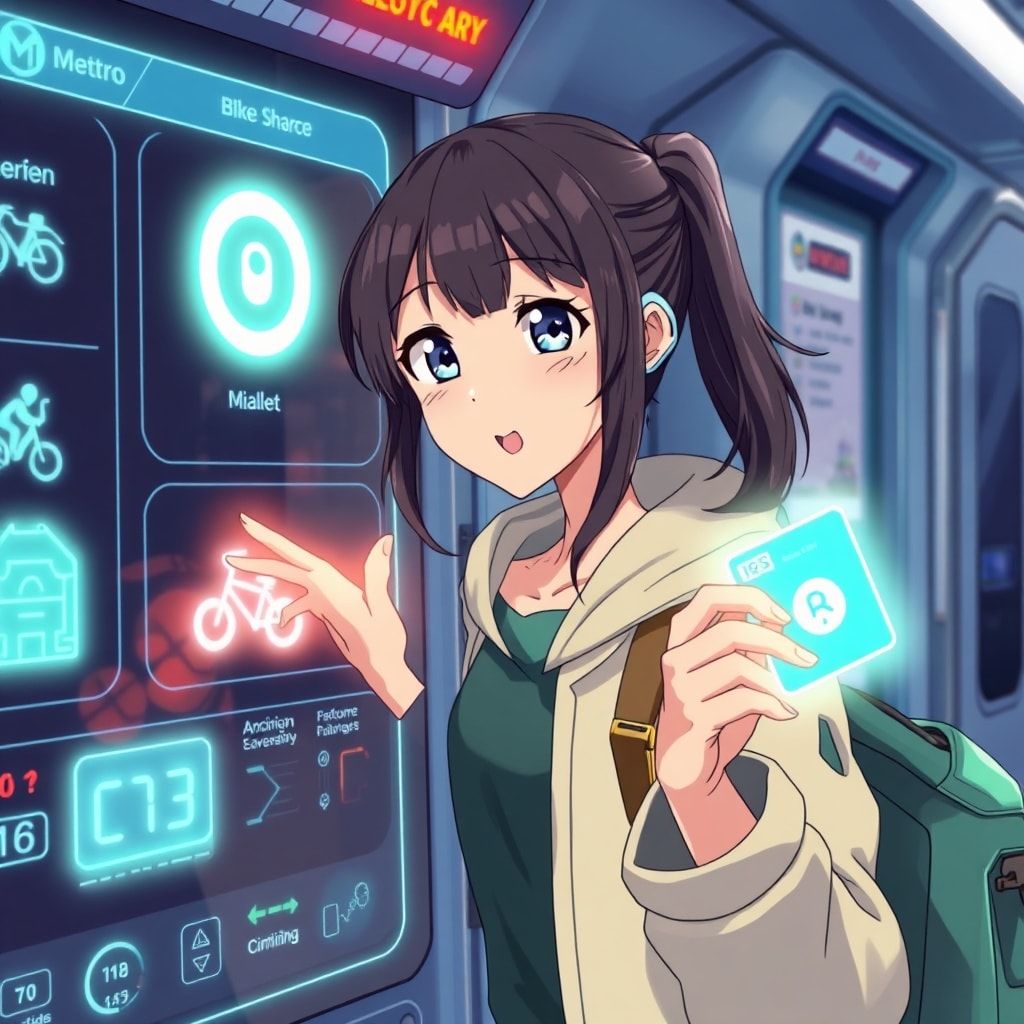
Travel literature from the early 2000s painted Mexico City as a labyrinthine beast—dangerous after dark, confusing for the uninitiated, and riddled with pickpocket hotspots. Those guides often lumped solo women into a generic “high‑risk” category, advising them to stick to tourist enclaves like Polanco or Condesa. Over the past decade, however, the city’s safety narrative has undergone a quiet revolution. Municipal initiatives, such as the “Safe City” program launched in 2015, have increased police visibility in neighborhoods like Roma and La Merced, and introduced gender‑sensitive training for officers.
Comparatively, earlier adaptations of travel advice—think printed guidebooks and static websites—lacked real‑time updates. Today, crowdsourced platforms like Instagram and local forums provide instantaneous alerts about street closures, protests, or sudden spikes in petty crime. This shift mirrors the broader media trend where user‑generated content now outweighs traditional editorial voices. For solo female travelers, the evolution means a more nuanced risk assessment: instead of blanket avoidance, they can now chart routes that balance cultural immersion with safety, leveraging tools like the Mi Card to stay within well‑patrolled transit corridors.
The industry’s response has been equally adaptive. Travel agencies now offer “women‑only” group tours that focus on culinary experiences in neighborhoods previously deemed risky, while boutique hostels market themselves as “female‑friendly” with enhanced security features. This market shift underscores a growing recognition that safety is not a monolith but a layered experience, shaped by infrastructure, community engagement, and the traveler’s own agency.
Technical Crunch: Costs, Cards, and Connectivity

Let’s dissect the numbers. A day’s worth of Metro rides—assuming four trips (airport to hostel, museum, market, return)—costs 20 MXN. Add two Metrobús rides for longer surface routes, and you’re at 32 MXN. Top it off with a single Ecobici rental (≈12 MXN for a 30‑minute bike), and the total daily transport budget hovers around 45 MXN, roughly US$2.50. This is a fraction of what you’d spend on rideshares or taxis, which can easily balloon to 200 MXN during peak hours.
The Mi Card’s versatility is a design triumph. By consolidating fare systems, it eliminates the need for multiple tickets, reducing both cognitive load and the risk of losing paper receipts—a common anxiety for solo travelers. Recharging is seamless: card‑loading machines accept cash in any denomination, and many convenience stores now support digital top‑ups via QR codes. Moreover, the card’s integration with Ecobici encourages multimodal trips, letting you hop off the Metro, bike through a historic barrio, and hop back on—all without fumbling for change.
From a production design perspective, the city’s transport authority has embraced a user‑centric model. The fare structure is deliberately flat, avoiding tiered pricing that could penalize low‑income riders or tourists on a budget. The decision to keep fares low also aligns with environmental goals, nudging residents and visitors toward public transit over private cars. For a step‑by‑step budgeting framework, see our no‑nonsense guide that walks you through every expense.
In practice, budgeting for a week-long stay would allocate roughly 315 MXN (≈US$17) for transport, leaving ample room for meals, entrance fees, and souvenirs. This financial clarity is a rare commodity in travel planning and can be the difference between a stress‑free adventure and a cash‑crunch nightmare.
Future Implications: Evolving the Solo Experience in Mexico City
The trajectory of Mexico City’s transit ecosystem points toward deeper digital integration. Plans are already afoot to embed real‑time crowding data into the Mi Card app, allowing travelers to choose less‑busy trains—a boon for safety‑conscious solo women who prefer quieter spaces. Additionally, upcoming pilot programs aim to introduce gender‑specific safety alerts, pushing notifications when a user enters a zone with recent reports of harassment. Such features could transform the city from a “potentially risky” destination into a model of inclusive urban mobility.
Culturally, the rise of social media influencers documenting their solo journeys through Mexico City is reshaping perceptions. Their content showcases not just the iconic landmarks but also hidden gems—street food stalls in Tepito, mural tours in San Ángel—while emphasizing practical tips like using the Mi Card for swift, cash‑free travel. This grassroots storytelling complements official tourism campaigns, creating a feedback loop that encourages the city to further tailor its services to solo female travelers.
Don’t be fooled by the glossy brochures that promise “safety in numbers.” The real magic lies in the granular details: a 5 MXN fare, a 10 MXN card, and a network that runs until midnight on weekdays. Those are the numbers that keep your wallet from screaming and your nerves from fraying. As the city continues to fine‑tune its transit tech, solo female travelers will find themselves not just surviving, but thriving—turning every ride into a story worth retelling.
Related Guides & Further Reading
Check out the Mexico City solo archives.