
Survive the Arctic Chill: The No‑Frills Tromsø Budget Guide Every Backpacker Needs
Getting Around: Tromsø Budget Guide Essentials

First things first: before you hop on, check out our complete Tromsø budget hub for a quick overview. The Tromsø budget guide starts with how you land and move. The Flybussen airport express shuttles you from Langnes to the city centre in a breezy 20 minutes, making stops at key hubs like Storgata and the Polar Museum. This isn’t just a convenience; it’s a time‑saver that lets you spend more daylight chasing the midnight sun or the northern lights. The fare hovers around NOK 105, a fraction of a taxi’s price, and you can snag tickets at the airport kiosk or via the Svipper app. If you’re hunting a no‑nonsense approach, our no‑nonsense Tromsø budget guide walks you through every cheap hack. Speaking of taxis, a fixed daytime weekday fare from the airport to downtown sits at roughly NOK 400 – a decent fallback if you’re lugging heavy gear, but beware of the premium on evenings, weekends, and holidays, which can push the bill past NOK 500.
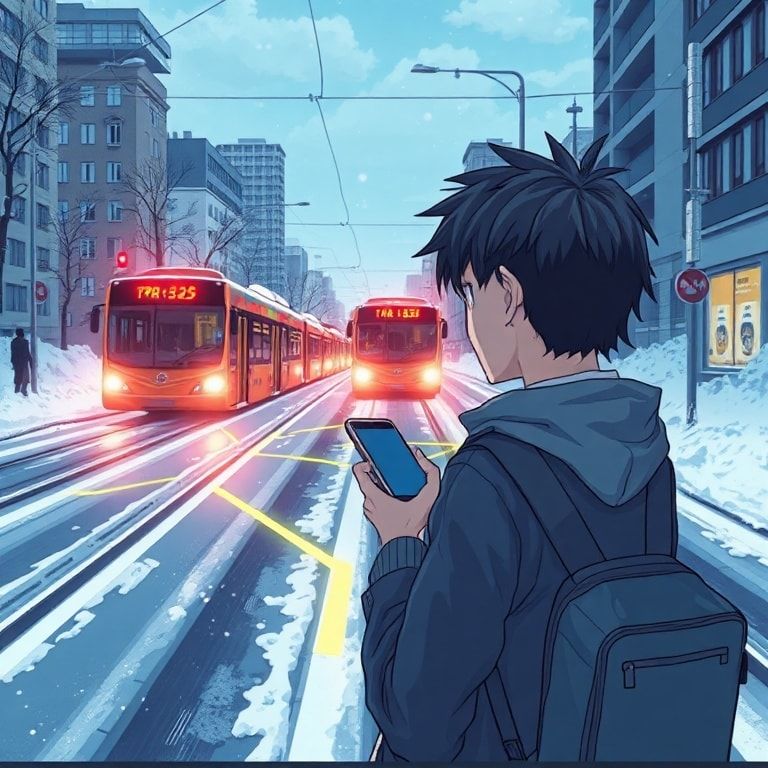
City buses 24, 26, 40, and 42 weave through the urban fabric, linking the airport to the heart of Tromsø. Tickets are universally purchasable from Svipper machines, 7‑Eleven, Narvesen kiosks, or the mobile app – a flexibility that suits any nomadic schedule. The main regional terminal, Prostneset, sits side‑by‑side with the Tourist Information Office, serving district routes like 420, 425, and 450, which are gold for day‑trippers heading to the surrounding fjords and Sami villages. For night‑owls, a Friday‑Saturday night‑bus offers reduced‑frequency service to select suburbs, keeping the city alive after dark without breaking the bank. All these transport options are outlined on the official project page, a must‑bookmark for any budget‑savvy traveler.
From Fjords to Folklore: Historical Context of Arctic Backpacking
Backpacking through Tromsø isn’t a brand‑new phenomenon. In the 1970s, the first wave of European hitchhikers trekked the Arctic coast with nothing but a map, a battered rucksack, and a fierce desire to escape the industrial grind. Those early adventurers relied on infrequent bus schedules and the goodwill of local fishermen, a stark contrast to today’s digital ticketing and real‑time apps. The evolution mirrors the broader shift in travel media: from printed guidebooks like the Lonely Planet’s “Arctic Edition” to hyper‑localized blogs that dissect every NOK spent. This historical lens shows how the modern Tromsø budget guide inherits a legacy of frugality, yet upgrades it with technology, making the Arctic more accessible than ever.
Studio trends in travel publishing have also mirrored this journey. Early travel documentaries were shot on bulky film, limiting coverage to major attractions. Today, indie creators use lightweight drones and smartphones, capturing hidden alleyways, midnight sun cafés, and the subtle glow of the aurora from a hostel balcony. The market shift toward experiential, budget‑focused narratives reflects a generation that values authenticity over luxury. By understanding this lineage, backpackers can appreciate that their cheap bus ticket is part of a long‑standing tradition of exploring the north on a shoestring, while also leveraging modern tools to enhance the experience.
Technical Crunch: Maximizing Value in Tromsø’s Transit System

Let’s dissect the numbers. A single Flybussen ride costs NOK 105, but the Svipper app offers a 10 % discount if you purchase a 24‑hour pass, dropping the price to NOK 94.5 – a sweet spot for travelers arriving late and departing early. City buses operate on a zone‑free system; a 24‑hour ticket for all routes (including 24, 26, 40, 42) is NOK 115, granting unlimited hops across the city and to the airport. Compare that to the fixed taxi fare of NOK 400 – you could afford three full days of bus travel for the price of one cab ride.
Ticket acquisition is streamlined: Svipper machines dispense paper tickets, but the mobile app stores a QR code that drivers scan instantly, cutting queue time. For the tech‑savvy, the app also tracks real‑time bus locations, allowing you to sync your itinerary with the aurora forecast. The Prostneset terminal is a hub for regional routes; a single ticket to the Lyngen Alps (route 425) costs NOK 150, but a 7‑day regional pass (covering routes 420‑450) is NOK 350, a 30 % saving if you plan multiple day trips. For a deeper dive into multi‑day savings, see our budget blitz guide that details how to stretch your kroner across the region. Night‑bus fares are flat at NOK 80, making late‑night museum runs feasible. Understanding these mechanics lets you allocate more of your budget to experiences like dog‑sledding or a budget‑friendly Aurora chase, rather than transport overhead.
Future Implications: How Budget Travel Shapes Tromsø’s Arctic Identity
The ripple effect of budget travel on Tromsø’s cultural and economic landscape is profound. As more backpackers opt for the low‑cost bus network, the city experiences a democratization of tourism – attractions once reserved for affluent cruise tourists become accessible to students and solo adventurers. This influx fuels a demand for affordable hostels, community kitchens, and free cultural events, prompting local entrepreneurs to innovate with pop‑up cafés and collaborative art spaces. Moreover, the emphasis on public transit aligns with Tromsø’s sustainability goals, reducing carbon footprints and encouraging the municipality to invest in greener buses and expanded night‑service routes.
Looking ahead, the integration of digital ticketing and real‑time data could evolve into a fully smart‑city model, where AI predicts peak travel times for aurora tours and dynamically adjusts bus frequencies. Such infrastructure would not only enhance the traveler experience but also cement Tromsø’s reputation as a forward‑thinking Arctic hub. For the veteran nomad, this signals a shift: the classic backpacker’s journey will increasingly intertwine with tech‑enabled sustainability, creating a hybrid adventure that respects both the environment and the traveler’s wallet.
Listen up, green‑horns: the Arctic isn’t a theme park, and you’ll bleed cash faster than a polar bear’s sneeze if you ignore the bus schedule. The real treasure isn’t the pricey fjord cruise; it’s the midnight bus that drops you off at a deserted beach where the aurora dances just for you. Those cheap tickets are your passport to moments that no guidebook can sell you – the smell of pine after a snowstorm, the quiet hum of a diesel engine as you glide past reindeer‑herded villages. If you think a taxi will get you there in style, you’ll end up paying for a souvenir you’ll never use.
My two‑cents? Master the Svipper app, buy the 24‑hour pass, and learn the night‑bus routes like you’d memorize a manga panel. Trust the locals, skip the overpriced tours, and let the city’s public transit be your guide. You’ll save enough kroner to splurge on a proper Arctic stew or a budget‑friendly husky sled ride – experiences that actually stick in your memory, not just your bank statement.
Related Guides & Further Reading
Check out the Tromsø budget guide archives.
Check out the Tromsø budget guide archives.