Florence budget guide: How to Master a Spring 2026 Long Weekend for Under $200
Planning a spring 2026 escape to the cradle of the Renaissance without blowing your savings? This Florence budget guide shows you how to squeeze culture, cuisine, and charm into a long weekend for under $200. Miss the chance and you’ll be stuck scrolling Instagram while your wallet weeps.
Public transport tickets and airport taxi fares
Public‑transport tickets
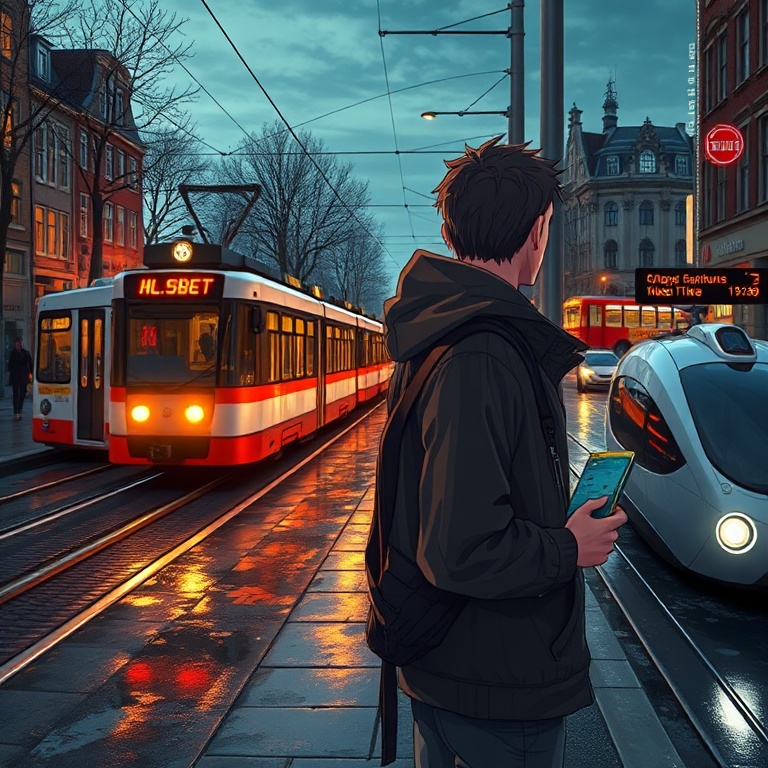
The transport landscape in Florence is a surprisingly cheap playground for the frugal wanderer. A single public‑transport ticket, valid on buses and trams, costs €1.70 and grants you 90 minutes of unlimited hops once validated.
If you prefer the convenience of a phone, SMS tickets run €2.00, with the extra cent covering the carrier surcharge. Tickets can be purchased via the official app, at newsagents, ticket machines, or on‑board through contactless payment.
- App or online purchase – €1.70
- SMS ticket – €2.00
- On‑board contactless – €1.70
The official project page outlines these options in crisp detail, confirming the city’s push toward seamless, cash‑light mobility.
Airport taxi fares
Taxi fares from Florence Airport (Peretola) are fixed:
- Weekdays – €28
- Weekends/holidays – €30
- Night (after dark) – €32
While a taxi may seem pricey, it’s a predictable cost that can be budgeted ahead, especially if you land late and need a reliable ride to your hostel.
Museum entry fees and the Firenze Card
For museum lovers, the Uffizi Gallery’s online tickets carry a €4 booking surcharge atop the admission price, and reservations for Saturdays and public holidays must be made at least a day in advance. The Accademia Gallery mirrors this structure, adding the same €4 fee when you lock in a timed entry via the official website.
Meanwhile, the Firenze Card offers a 72‑hour pass for €85, covering entrance fees, the €4 surcharges, and temporary exhibition supplements for over 60 museums. It even grants free admission for children under 18 traveling with the cardholder, making it a potent value proposition for families or museum‑mad groups.
Evolution of budget travel in Florence
From backpacker guidebooks to digital city passes
Back in the early 2000s, budget travel to Florence was a niche pursuit, dominated by backpacker guidebooks that emphasized hostels and free walking tours. The concept of a “budget guide” was loosely defined, often ignoring the hidden fees that now dominate the visitor experience. Over the past two decades, the tourism industry in Tuscany has professionalized, introducing digital ticketing systems, dynamic pricing, and curated city passes like the Firenze Card. This evolution mirrors the broader shift in the travel sector, where data‑driven pricing models replace the once‑flat admission fees of the past.
Rise of the “otaku‑nomad” audience
Studios producing travel content have also adapted. Early travel documentaries focused on sweeping vistas and high‑end experiences, while today’s YouTubers and anime‑styled travel series spotlight cost‑cutting hacks, real‑time budgeting, and the nitty‑gritty of ticket surcharges. The rise of “otaku nomads” – a blend of anime fandom and wanderlust – has created a subculture that demands detailed, granular information, such as the exact €1.70 tram ticket price or the €4 booking surcharge for the Uffizi. This audience expects transparency and precision, pushing content creators to embed official data and links, like the Visit Tuscany transport guide, directly into their narratives.
How ticket systems and costs work
Time‑based ticket validation and “ticket cycling”
The €1.70 public‑transport ticket operates on a time‑based validation algorithm: once you tap the validator, a 90‑minute window opens, during which any number of rides are permitted. This system reduces the need for multiple purchases, encouraging multi‑modal journeys that can string together a bus to the Arno, a tram to the Oltrarno, and a short walk to the Uffizi—all within the same ticket.
For the budget traveler, this translates to a maximum of €3.40 for a full day of transit if you reset the ticket after the window expires, a strategy known as “ticket cycling.”
Cost breakdown of museum surcharges and the Firenze Card
The booking surcharge for museums is a flat €4 fee that covers administrative costs and the digital infrastructure required for timed‑entry management. While it seems minor, it compounds quickly when visiting multiple sites: three museums become €12 in surcharges alone.
The Firenze Card’s €85 price point, when broken down, averages to roughly €28 per day, but it bundles over 60 museum entries, effectively reducing the per‑museum cost to under €2 when you hit the major attractions. Moreover, the card’s inclusion of the €4 surcharges means you avoid paying them separately, creating a hidden savings buffer.
| Item | Cost (EUR) | Notes |
|---|---|---|
| Single public‑transport ticket (90 min) | 1.70 | Valid on buses & trams; SMS option €2.00 |
| Ticket cycling (2 tickets for one day) | 3.40 | Maximum cost if you reset after each 90 min window |
| Airport taxi – weekday | 28 | Fixed fare, predictable budgeting |
| Airport taxi – weekend/holiday | 30 | Includes weekend surcharge |
| Airport taxi – night (after dark) | 32 | Night surcharge |
| Museum booking surcharge (per museum) | 4 | Applies to Uffizi, Accademia, etc. |
| Firenze Card (72 h) | 85 | Includes >60 museums + all surcharges; free for children <18 |
Understanding these mechanics allows you to model your budget with precision: for a three‑day itinerary, allocate €5‑6 for transport, €30 for museum surcharges (if not using the card), and €20‑25 for meals, leaving room for the €85 card if you plan to hit more than ten sites. This granular breakdown is essential for staying under the $200 ceiling, especially when accounting for exchange‑rate fluctuations.
Emerging trends shaping budget travel in Florence
AI‑driven itineraries and subscription‑style transport passes
The trajectory of budget travel in Florence points toward even greater digitisation. Expect AI‑driven itinerary planners that ingest real‑time transport data, museum capacity, and personal spending limits to auto‑generate a “perfect under‑$200” schedule. As the city continues to refine its ticketing ecosystem, we may see subscription‑style transport passes that replace per‑ride tickets, further flattening costs for long‑stay visitors.
Cultural impact, democratisation and overtourism risk
From a cultural standpoint, the proliferation of budget guides democratises access to Florence’s treasures, eroding the historic perception of the city as an elite playground. This shift could inspire a new wave of creators—anime directors, game developers, and vloggers—who embed Florence’s iconic backdrops into their works, knowing that audiences can actually afford to visit. However, the risk lies in overtourism; as cheaper access fuels higher footfall, the city must balance preservation with popularity. The savvy traveller, armed with a meticulously crafted Florence budget guide, becomes both a consumer and a steward, ensuring that the next generation can still marvel at Michelangelo’s David without the crowds drowning out the whispers of history.
Insider tips for staying under budget
Listen up, green‑horns: the moment you think you’ve cracked the budget code, the city throws a new surcharge at you like a ninja star. I’ve seen tourists get blindsided by that €4 museum fee, only to watch their carefully plotted €200 budget evaporate faster than a summer gelato in the Tuscan sun. The trick isn’t just finding cheap tickets; it’s mastering the timing, the layers of hidden costs, and the art of the “card‑vs‑pay‑as‑you‑go” calculus. Treat every €1.70 tram ride as a strategic move on a chessboard, and you’ll stay ahead of the fiscal traps that turn a dream trip into a financial nightmare.
And don’t forget the human factor: locals love a respectful traveller who knows the system. Flash that ticket validation like a badge of honour, ask the barista for the day’s “menu del giorno” in Italian, and you’ll earn smiles that sometimes translate into free espresso or a tip‑off on a free museum night. In the end, a true Florence budget guide isn’t just numbers on a page—it’s a living, breathing playbook that rewards street‑smarts, patience, and a dash of old‑school otaku swagger.
Check out the Florence budget guide archives.