Survive Tokyo on ¥10,000: The No‑Nonsense Tokyo Budget Guide for 2026
When the neon jungle of Tokyo threatens to drain every yen you’ve saved, a solid Tokyo budget guide becomes your lifeline. Before you set off, explore our comprehensive travel hub for deeper insights. Imagine navigating the sprawling metropolis without splurging on pricey rail passes or five‑star sushi—just pure, calculated wanderlust. The stakes? Keeping your wallet intact while still soaking up the city’s electric vibe.
Verified News & Source Context: Passes That Won’t Break the Bank
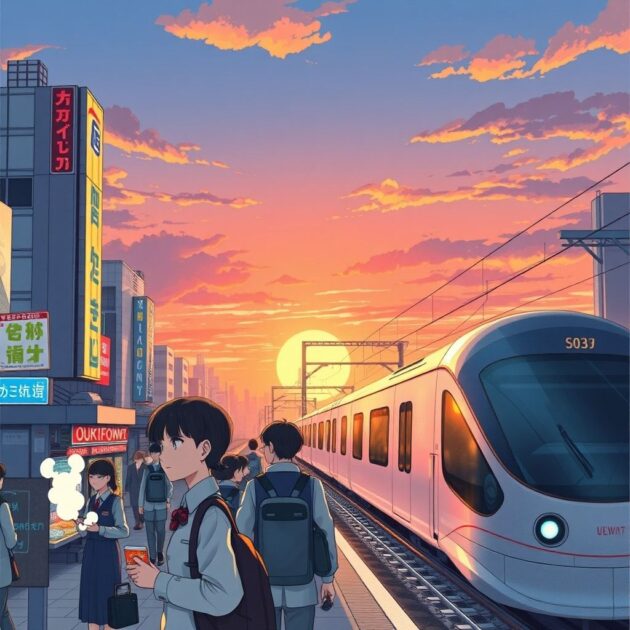
The Tokyo Subway One‑Day Pass (Tokyo Free Kippu) at ¥1,600 for adults and ¥800 for children is a powerhouse, granting unlimited rides across the entire Metro, Toei lines, city buses, the Sakura Tram, the Nippori‑Toneri Liner, and even JR lines inside the 23 wards. This breadth means a traveler can hop from Shibuya’s scramble crossing to the historic streets of Asakusa without buying separate tickets, slashing per‑ride costs dramatically. Production-wise, the ticket’s integration into the Suica app reflects Japan’s push toward cashless travel, streamlining purchase at major JR East stations, Metro hubs, and even on‑the‑go via mobile.
For those who only need Toei services, the Toei One‑Day Pass (Marugoto Kippu) at ¥700 (adults) or ¥350 (children) covers Toei subways, buses, the Sakura Tram, and the Nippori‑Toneri Liner. Its lower price point makes it ideal for itineraries focused on western wards like Shinjuku and Roppongi, where Toei lines dominate. Tickets are sold at subway machines and on buses, with advance purchase options up to six months—an early nod to the Japanese penchant for meticulous planning.
The Tokyo Subway 24‑Hour Ticket, priced at ¥800 for adults, offers a full day of unrestricted travel on both Tokyo Metro and Toei lines, perfect for night‑owls chasing after late‑night izakayas. Meanwhile, the Yurikamome One‑Day Pass at ¥820 unlocks the driver‑less line that ferries tourists to Odaiba’s futuristic attractions, a niche yet essential route for tech‑savvy visitors. Finally, the free Marunouchi Shuttle, operating on weekdays and weekends, stitches together Otemachi, Marunouchi, and Yurakucho—an often‑overlooked gem that saves both time and money. All these options are detailed on the official project page.
Tokyo budget guide: Mastering Metro Passes & Free Shuttles
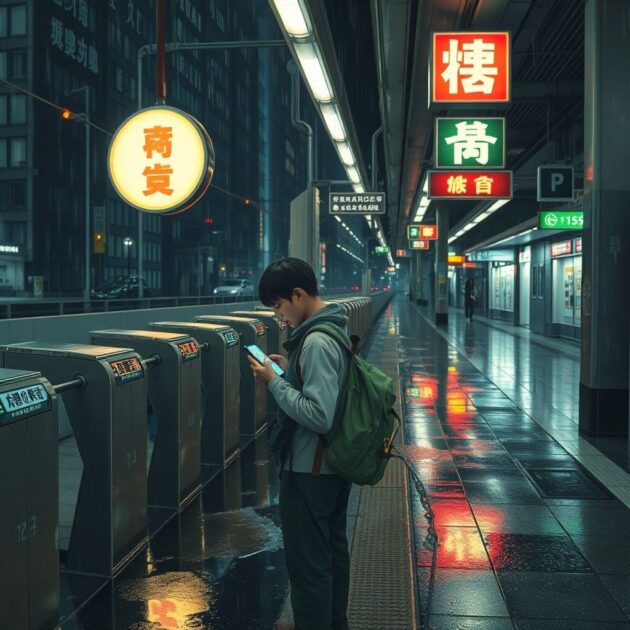
Understanding the hierarchy of passes is crucial. The One‑Day Ticket’s ¥1,600 price may seem steep, but when you calculate an average ride at ¥210, a day of eight trips already surpasses ¥1,600, making the pass a break‑even point after just eight hops. For budget travelers, the Toei One‑Day Pass offers a cheaper alternative if your itinerary leans heavily on Toei routes, which dominate the western side of the city. The 24‑Hour Ticket, meanwhile, is a flexible choice for those who plan spontaneous night excursions—its 24‑hour window starts at the first tap‑in, not at midnight, allowing late‑night ramen runs without extra cost.
Don’t overlook the free Marunouchi Shuttle. Running every 15‑25 minutes, it shuttles you between major business districts, perfect for travelers staying in budget capsule hotels around Otemachi who need quick access to the Imperial Palace area without paying for a taxi. Pairing the shuttle with a prepaid IC card like Suica or Pasmo further streamlines travel; the card automatically deducts the lowest fare when you exit, ensuring you never overpay.
From Capsule to Ryokan: Budget Accommodations That Won’t Break the Bank
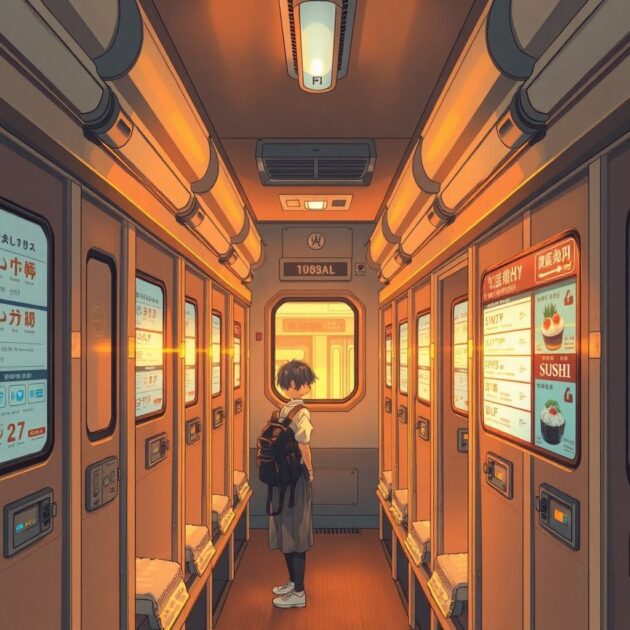
Tokyo’s accommodation landscape is a spectrum from high‑rise luxury to micro‑capsules. For the ¥10,000 daily budget, capsule hotels in areas like Asakusa, Ikebukuro, and Shinjuku offer rates as low as ¥2,500 per night, including a locker, Wi‑Fi, and a communal lounge. Many of these facilities partner with local convenience stores, providing discount coupons for on‑site vending machines—a small perk that can shave ¥200 off a midnight snack. For a more local flavor, check out our curated list of affordable Tokyo Airbnb experiences that often include kitchenettes and private baths.
If you crave a touch of tradition, look to budget ryokans in the outskirts of the city, such as those in Odaiba’s neighboring islands. Though slightly farther from the central hub, they often include a modest breakfast and access to communal baths, delivering cultural value at a comparable price to a capsule. Booking platforms like Rakuten Travel and Jalan frequently run flash sales, dropping prices by up to 30% during off‑peak weeks, so a vigilant traveler can secure a ryokan for under ¥4,000 per night.
Street Eats & Supermarket Hacks: Feeding Yourself for Under ¥1,000 a Day
Food is where budgets often explode, but Tokyo offers a plethora of low‑cost culinary delights. Convenience stores (konbini) like 7‑Eleven, FamilyMart, and Lawson sell onigiri, bento boxes, and hot meals for ¥300‑¥600. Pair this with a cup of instant ramen from a supermarket—often ¥150—and you’ve got a filling meal for under ¥800.
Street stalls in neighborhoods such as Ameya‑Yokocho (Ueno) and Nakano Broadway serve takoyaki, yakitori, and taiyaki for ¥100‑¥250 each. For a more substantial dinner, head to a standing sushi bar (tachigui) where plates start at ¥100 per piece. By combining a konbini breakfast, a street‑food lunch, and a modest dinner, a traveler can comfortably stay under ¥1,000 daily while tasting the city’s diverse flavors.
Future Implications: Digital Passes, AI‑Driven Pricing, and the Road Ahead
Looking forward, Tokyo’s transport ecosystem is poised for a digital overhaul. The integration of QR‑code tickets into popular travel apps promises a seamless, paper‑free experience, potentially reducing the cost of physical passes by 10‑15%. Moreover, AI‑driven dynamic pricing trials on select subway lines aim to balance crowd density, offering discounts during off‑peak hours—a boon for budget travelers willing to adjust their schedules.
Beyond pricing, the city is experimenting with “smart stations” that provide real‑time crowd analytics via AR overlays on smartphones, allowing passengers to choose less‑congested routes instantly. This data could eventually feed into personalized travel recommendations, nudging tourists toward cheaper, under‑utilized lines like the Toei Shinjuku branch. As these innovations roll out, the traditional Tokyo budget guide will evolve from a static list of passes to a living, data‑driven playbook.
Listen up, green‑horns: the old‑school paper tickets are dying faster than a cheap anime OVA’s plot. If you’re still clutching a physical One‑Day Ticket like a relic, you’re paying for nostalgia, not efficiency. The real money‑savers are the integrated IC cards and the upcoming QR‑code ecosystem—those will let you hop on a Yurikamome line, grab a bowl of ramen, and still have change for a midnight arcade token.
And don’t be fooled by the glossy marketing that touts “free shuttles” as a gimmick. The Marunouchi Shuttle is the unsung hero for anyone staying in a capsule near Otemachi; it slices a solid ¥300 off your daily transport bill without you even realizing it. Pair that with a savvy use of the Toei One‑Day Pass, and you’ll be cruising Tokyo’s veins like a seasoned salaryman—only with a fraction of the salary and a lot more ramen.
Related Guides & Further Reading
Check out the budget travel archives.