Why Mexico City solo Adventures Are the Ultimate Test of Budget Bravery
Ever wondered if you could stretch a single peso into a week‑long odyssey through a megacity? Before you dive in, explore our comprehensive solo travel hub. Our Mexico City budget hub gives you a quick rundown of costs before you set out. For a deeper look at turning budgeting into a solo‑female power move, check out our budget‑hack guide. Mexico City solo travel forces you to juggle safety, cost, and culture in a high‑stakes game of urban survival. Miss the deadline and you might end up paying double for a taxi you could have avoided, or worse, wandering the historic center without a clue where the next metro stop leads.
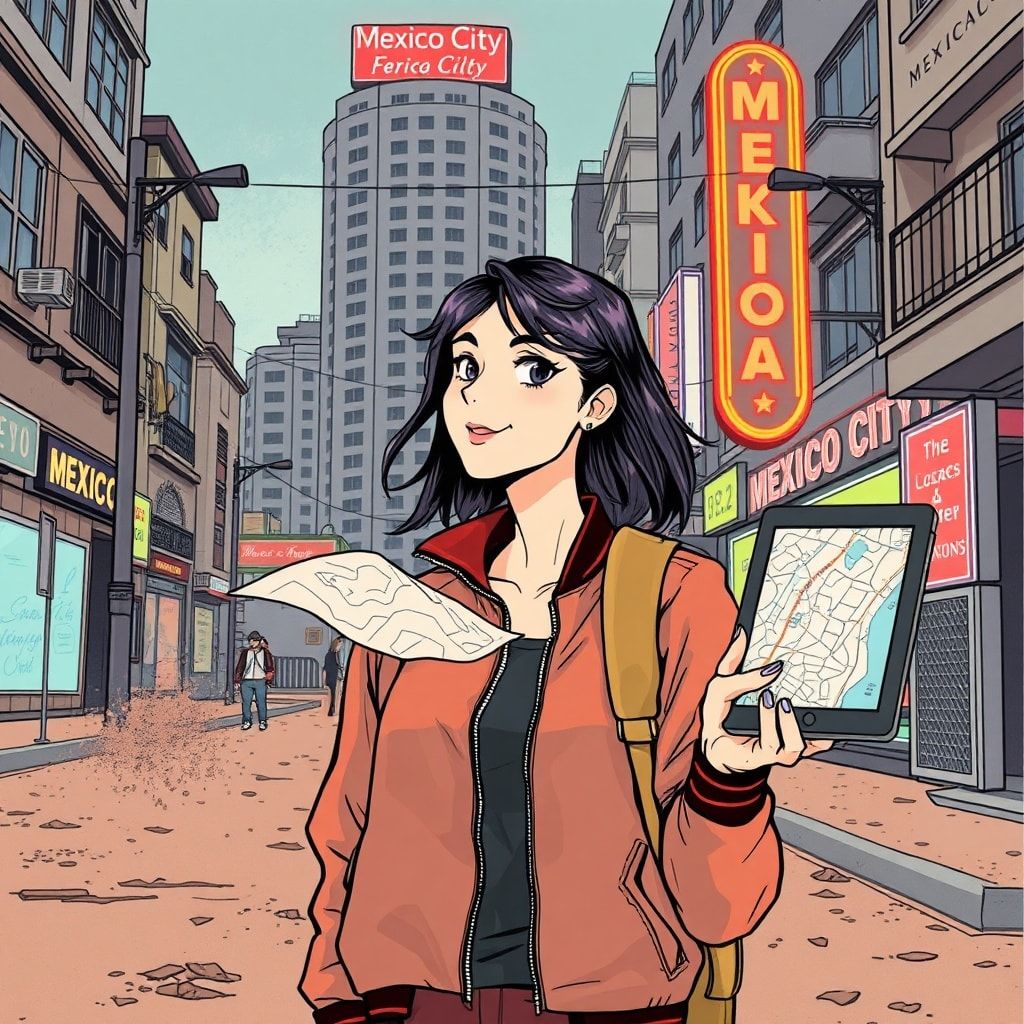
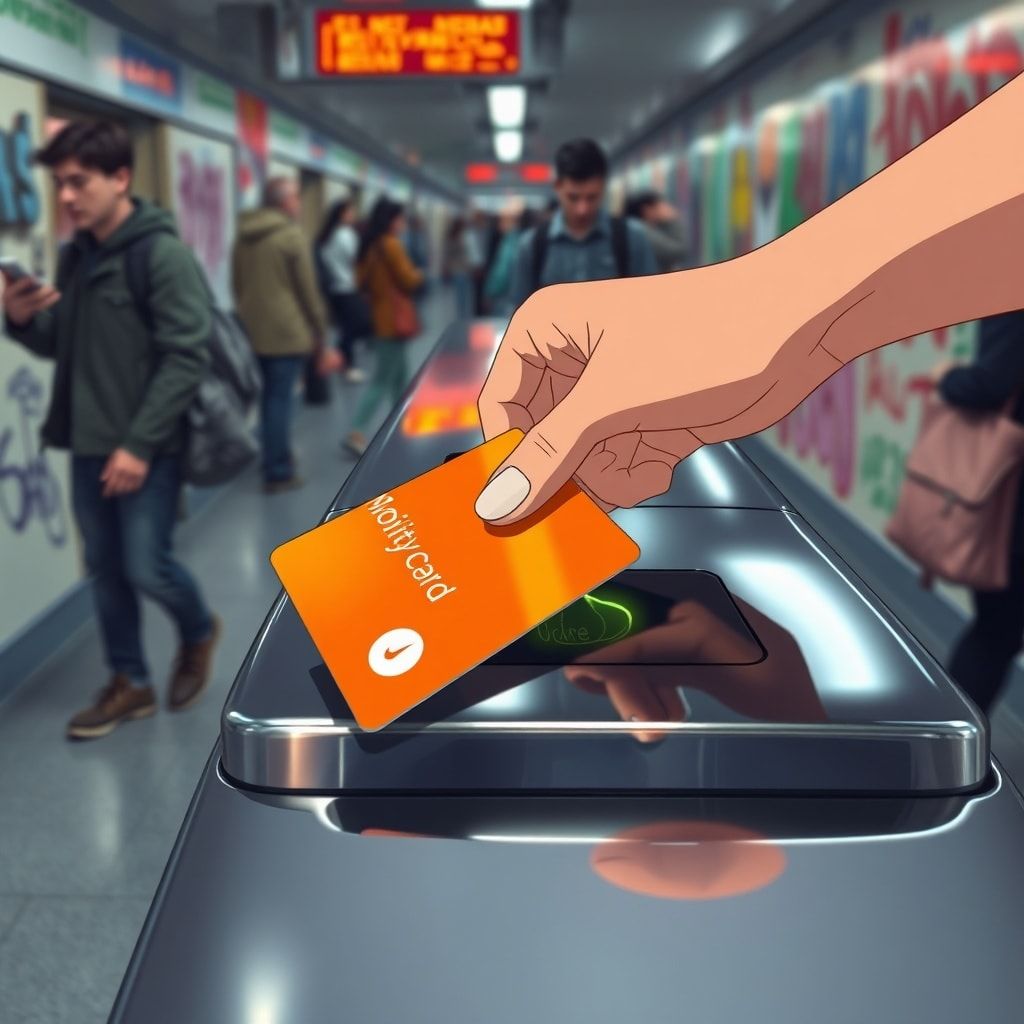
The Mexico City Metro is the beating heart of the capital, and for the budget‑conscious solo female traveler it’s the cheapest way to hop across 12 boroughs. A single ride costs exactly 5 MXN, a detail explored in our 5‑Day budget guide, payable at turnstiles or via the integrated mobility card (Tarjeta de Movilidad Integrada). This fare is a bargain compared to the 150‑200 MXN you’d shell out for a short official white taxi ride from a designated stand. Metro operating hours stretch from 5:00 am to midnight on weekdays, 6:00 am on Saturdays, and 7:00 am on Sundays and public holidays, giving you ample window to plan night‑out excursions without fearing the last train. The official project page provides a FAQ that clarifies card reloading, line maps, and safety tips, such as keeping your ID (original or photocopy) on you at all times—a legal requirement that also deters pickpockets. For emergencies, the city’s traveler unit can be reached at +52 (55) 5211 1723 or the toll‑free 01 800 468 8722, ensuring you’re never truly alone in a crisis. Why Mexico City solo travelers can conquer the capital on a shoestring offers a deeper look at safety strategies for budget‑focused adventurers.
From Past to Present: How Solo Female Travel Guides Evolved
Back in the early 2000s, guidebooks for solo women were thin pamphlets that warned mostly about “danger zones” and suggested staying in hostels near the historic center. Those early editions rarely mentioned the metro’s integrated card, assuming travelers would rely on pricey taxis or informal “colectivos.” Fast forward to today, and the narrative has shifted dramatically. The rise of user‑generated content on platforms like Instagram and the proliferation of safety‑focused NGOs have forced publishers to embed concrete data—exact fare numbers, operating hours, and official emergency contacts—into every recommendation. This mirrors a broader industry trend where travel media moves from sensationalist cautionary tales to data‑driven empowerment. Studios producing travel documentaries now allocate budget to fact‑checking teams, ensuring that the “solo female” label isn’t a marketing gimmick but a genuine safety framework. The evolution reflects a market that values authenticity: modern travelers expect granular details, like the exact cost of a metro ride, rather than vague “cheap transport” advice.
Technical Crunch: Costs, Cards, and the Logistics of Moving Alone
Let’s break down the numbers. If you want a step‑by‑step budgeting framework, see our no‑nonsense solo budget guide. Assuming a 7‑day stay, a traveler who rides the metro twice daily spends 5 MXN × 2 × 7 = 70 MXN (≈ US$3.50). Add a refill fee of 10 MXN for the card itself, and you’re still under US$5 for a full week of citywide mobility. Compare that to official white taxis, which start at 42 MXN and add roughly 6 MXN per kilometer; a short 5‑km ride can easily cost 72 MXN—already more than a week’s metro budget. The mobility card also doubles as a payment method for the city’s bus network (RTP) and some bike‑share stations, consolidating expenses and reducing the need to carry cash. From a safety standpoint, the card’s traceability means lost cards can be blocked, and usage data can help authorities monitor crowd flow during festivals, indirectly improving security for solo travelers. Moreover, the requirement to carry a government‑issued ID (original or photocopy) isn’t just bureaucratic red‑tape; it speeds up police assistance and validates your status when boarding official transport, cutting down on harassment.
Future ImpImplications: What the Next Wave Means for Solo Adventurers
The next decade promises tighter integration between digital platforms and municipal services. Expect real‑time metro crowd analytics delivered to your phone, AI‑driven safety alerts that cross‑reference your ID status, and dynamic pricing that rewards off‑peak travel—making the already cheap metro even more attractive for solo women on a budget. As the city rolls out more bike‑share stations compatible with the mobility card, the “last‑mile” problem will shrink, encouraging explorers to venture beyond the traditional tourist corridors into neighborhoods like Santa María la Ribera or Tláhuac, where authentic street food and community art thrive. This shift could also influence other Latin American metropolises to adopt similar fare structures and safety protocols, creating a regional standard that benefits solo travelers worldwide.
Listen up, fresh‑out‑of‑the‑gate wanderers: the city will chew you up if you ignore the minutiae. That 5 MXN metro fare isn’t just a number—it’s a lifeline. It tells you the city trusts you enough to let you glide through its veins for pennies, but it also expects you to respect the system. Slip your ID into a back pocket and you’ll be the target of a bored cop’s “¿Dónde está su identificación?” routine; keep it visible, and you’ll glide past with a nod. The white taxis are a mythic safety net, but they’re also a cash‑sucking vortex—use them only when the metro’s shut down or you’re hauling a suitcase that won’t fit on a crowded train.
My two‑decade‑long trek through Mexico City taught me that the real power lies in the little hacks: preload your mobility card at a 7‑Eleven, photograph your ID and store it in a secure cloud, and memorize the emergency line 01 800 468 8722. When you combine those tricks with a sharp eye for the city’s rhythm—early‑morning metro rides, late‑night taco stalls, and the occasional “corrido” echoing from a plaza—you’ll not only survive, you’ll thrive. Remember, solo doesn’t mean solitary; the city’s infrastructure is your silent companion, and if you treat it right, it’ll return the favor with unforgettable stories.
Related Guides & Further Reading
Check out the Mexico City solo archives.