Why the Venice March Guide Is Your Secret Weapon Against Tourist Traps
If you think March in Venice is just a soggy prelude to summer, think again. The Venice March guide reveals hidden savings, free cultural gems, and Carnival spill‑over magic that most tourists miss. Ignoring these secrets could cost you both money and unforgettable experiences.
Verified News & Source Context
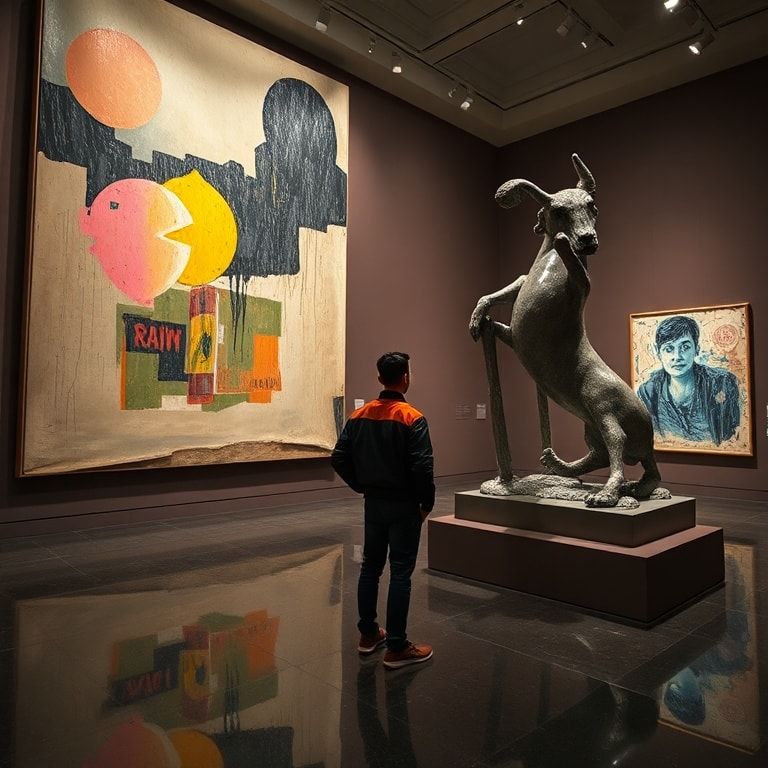
On 17 March 2026 the Peggy Guggenheim Collection throws open its doors for free—yet only to Italian citizens, while everyone else still coughs up the €15 ticket. The museum sits at 704 Dorsoduro, 30123 Venezia (GPS 45.4329° N, 12.3320° E) and keeps its doors from 10:00 am to 6:00 pm, except on Tuesdays and the year‑end holiday window of 25‑26 December. This limited‑time waiver is a strategic move to boost local engagement ahead of the tail‑end of the Carnival season, when cultural venues typically stretch opening hours to 10:00 pm. Simultaneously, Venice’s overnight tourist tax—normally a sticky surcharge—gets slashed by up to 50 % in low‑season months like March, with an extra 30 % discount for island stays and a hefty 40 % off for mainland lodging. Children 10‑16 only pay half, under‑10s are exempt, and groups of 25 + or hostel guests dodge the tax entirely. For the budget‑savvy traveler, timing a stay to hit the first five nights in March, nesting on the mainland, and booking a youth hostel can shave off a sizeable chunk of the total bill. All these nuances are laid out on the official project page, a must‑read before you set foot on the lagoon.
Venice March guide: Historical Context (Old Guard Perspective)
Back in the early 2000s, Venice travel guides were little more than glossy brochures that glorified high‑end hotels and pricey gondola rides. The budget traveler was an afterthought, relegated to cramped hostels on the mainland with little mention of tax rebates or free museum days. Over the past two decades, the rise of the “otaku nomad” community forced publishers to reckon with a new demographic: wanderers armed with smartphones, travel‑hacking forums, and a disdain for tourist traps. The 2015 edition of the Venice guidebook finally listed the tourist tax, but it was buried in fine print and lacked the granular discounts now standard in the Venice March guide. Moreover, the Peggy Guggenheim’s free‑admission experiment mirrors a broader trend in European museums, where “pay‑what‑you‑can” days have become a staple to attract locals and diversify audiences. The Carnival’s extended hours, once a rare perk for locals, are now a predictable fixture, reflecting a shift toward inclusive cultural programming. This evolution underscores how the old guard’s top‑down, luxury‑centric narrative has been upended by grassroots demand for transparency, affordability, and authentic experiences.
Technical Crunch (Information Gain)

Let’s break down the numbers. The base tourist tax in March sits at €3 per adult per night; with the 50 % seasonal cut, that drops to €1.50. Add the island discount (‑30 %) if you’re staying on Murano or Burano, and the rate becomes €1.05. Opt for mainland accommodation and apply the 40 % reduction, slashing the fee to a mere €0.90 per night. For a typical five‑night stay, a mainland traveler pays €4.50 total, versus €5.25 on an island. Children 12‑15 pay half, so a family of two adults and two teens could save roughly €3.60 just on tax. Next, the Peggy Guggenheim free entry saves €15 for each Italian citizen on 17 March; if you’re traveling with an Italian friend, that’s a direct €15 cut. Combine this with the Carnival’s late‑night museum extensions, allowing you to squeeze in extra exhibitions without extra ticket costs. Finally, factor in transport: a single‑zone ACTV vaporetto ticket costs €7.50; a 7‑day tourist travel card is €40, saving €12.50 if you ride more than five times. Stack these savings—tax, museum, transport—and a thrifty traveler can shave off upwards of €30 from a typical week‑long budget itinerary.
Future Implications
Looking ahead, the convergence of cultural policy and budget tourism is set to reshape Venice’s economic landscape. If the free‑admission model proves successful, we may see a permanent tiered pricing system where locals enjoy regular free days, while tourists pay a modest surcharge—potentially smoothing visitor flow and easing peak‑season congestion. The tourist‑tax discounts could become a template for other low‑season destinations, encouraging longer stays and dispersing crowds to mainland hotels, which would alleviate pressure on the fragile historic islands. Moreover, the Carnival’s extended hours hint at a future where cultural events bleed into the night, creating a 24‑hour city vibe that appeals to younger, experience‑driven travelers. This shift could spur new night‑time economies—pop‑up eateries, midnight art tours, and VR‑enhanced heritage walks—further diversifying revenue streams beyond traditional daytime tourism.
And don’t even get me started on the Carnival spill‑over. While the city’s elite parade in silk, the real action happens in back‑alley bars where the tax‑free drinks flow and the locals whisper about the next round of discounts. If you’re not willing to read the fine print, you’ll end up paying double for a night you could’ve spent sipping spritzes on a mainland rooftop for a fraction of the price. Take it from a veteran: master the tax hacks, respect the free‑entry windows, and you’ll walk away with stories, not just a dented bank account.
Check out the Venice travel archives.
Check out the Venice travel archives.