How to Hack the Kuala Lumpur Budget: 5 Days, RM200, and No Regrets
Planning a five‑day sprint through Malaysia’s glittering capital while keeping the wallet from screaming is a high‑stakes game. The Kuala Lumpur budget challenge forces you to juggle visas, safety, and transport without sacrificing the city’s neon‑lit soul. Miss a beat and you’ll be paying for a night in a hostel that smells like stale ramen, or worse, missing the iconic Petronas towers because you’re stuck on a pricey taxi. Our Kuala Lumpur budget hub provides a complete breakdown of costs, routes, and tips to keep your trip under control.
For additional hacks on stretching a shoestring budget, check out our ultimate Kuala Lumpur budget guide for the $30‑a‑day nomad that dives deep into low‑cost dining, free attractions, and hostel tricks.
Verified News & Source Context

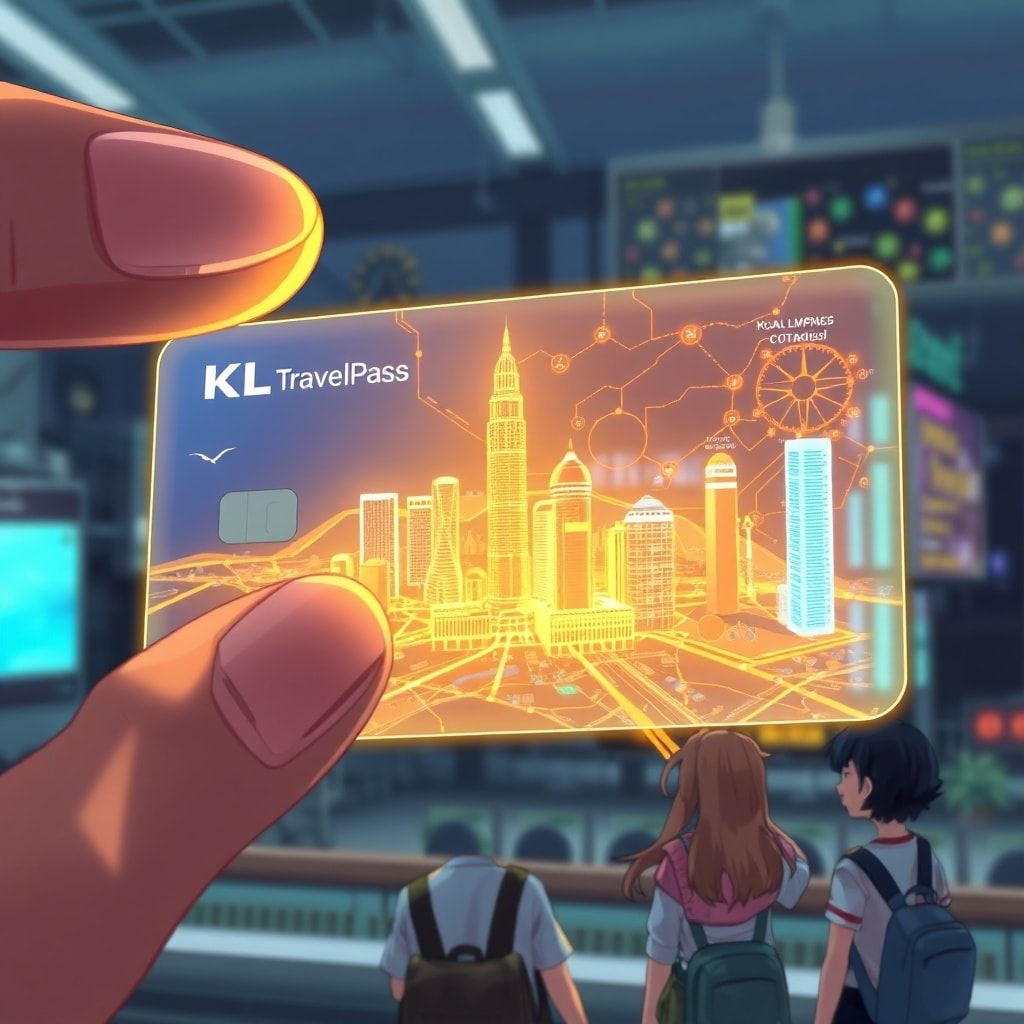
The Malaysian government just rolled out the enhanced KL TravelPass, a move that could reshape how budget travelers navigate the city. Priced at RM70 for a single‑trip ticket and RM115 for a return‑trip ticket, the pass is sold at KLIA, KLIA2, and KL Sentral ticket counters, making it instantly accessible upon arrival. This isn’t just a convenience; it’s a strategic push by the Surface Transport Authority (SPAD) to boost public‑transport modal share to 40% by 2030, a bold target that signals heavy investment in rail, bus, and commuter integration.
What does this mean for the average backpacker? First, the ability to top up cash value on the card unlocks unlimited rides on Rapid KL buses and KTM Komuter services, effectively turning a RM115 outlay into a near‑unlimited mobility voucher for the duration of your stay. Compare that to buying single‑ticket fares that can quickly add up to over RM200 for a five‑day itinerary. Second, the KL PASS™ tourist card, though pricier (RM165 for a 1‑day adult pass up to RM675 for a 6‑day pass), offers additional perks like discounts at attractions, which can be a game‑changer if you plan a packed schedule. The official project page provides full details and the rollout timeline, confirming the government’s commitment to a seamless, cash‑less travel experience for both locals and tourists. official project page
Mastering the Kuala Lumpur Budget: Transport Hacks

When you’re counting every ringgit, the KL TravelPass becomes your secret weapon. Travelers following the steps in our 5‑day backpacker’s money‑saving playbook will find these tips especially useful. Start by purchasing the RM70 single‑trip option if you know you’ll be staying under three days; the return‑trip RM115 is ideal for a five‑day stint, as it covers two round‑trips and leaves room for top‑ups. Top up the card with RM50–RM100, and you unlock unlimited rides on Rapid KL buses, which criss‑cross the city from the historic Chinatown to the modern Bukit Bintang district. The KTM Komuter rail, often overlooked, offers a rapid connection to suburbs like Klang and Shah Alam, perfect for day‑trips without breaking the bank.
Beyond the pass, leverage off‑peak discounts. Many bus routes run a 20% fare reduction between 10 pm and 6 am, and the MRT’s “Night Owl” service provides a free ride after midnight on Fridays and Saturdays. Combine these with free walking tours—available in the city’s heritage zones—to cut transport costs further. Remember, the KL PASS™ tourist card also bundles entry discounts for attractions like the Aquaria KLCC and the Bird Park; if your itinerary includes three or more paid sites, the pass pays for itself within a day. By layering the KL TravelPass with off‑peak travel and strategic attraction choices, you can keep your daily transport spend under RM15, preserving your budget for food and nightlife.
From Past to Present: How KL’s Transit Evolved
To appreciate today’s KL TravelPass, you need to glance back at the city’s transport history. In the early 1990s, Kuala Lumpur relied heavily on diesel‑powered buses and a fragmented rail system that struggled with punctuality and coverage. The introduction of the STAR LRT in 1998 marked the first major push toward modern rapid transit, but fare integration remained a nightmare—travelers juggled separate tickets for each line, inflating costs and discouraging multi‑modal trips.
Fast forward to the 2010s, and the city launched the integrated Rapid KL network, unifying bus, LRT, and MRT services under a single fare structure. Yet, the payment method lagged behind; cash and token purchases persisted, creating bottlenecks at stations. The KL TravelPass, especially its enhanced version, is the culmination of two decades of policy shifts, technological upgrades, and public‑pressure for a smoother experience. It mirrors trends seen in Tokyo’s Suica and Hong Kong’s Octopus cards, where a single smart card handles everything from transit to vending machines. This evolution reflects a broader Southeast Asian movement toward cashless, data‑driven mobility, positioning Kuala Lumpur as a regional leader in affordable, integrated transport.
The Mechanics Behind the KL TravelPass
At its core, the KL TravelPass is a contactless smart card powered by NFC technology, similar to Singapore’s EZ‑Link. When you tap the card at a validator, the system reads the stored balance or pass type and deducts the appropriate fare in real time. The enhanced version adds a “return‑trip” mode, which pre‑authorizes a round‑trip fare, effectively locking in a discounted rate and preventing accidental over‑charging on busy routes.
The card’s architecture also supports “top‑up” functionality via kiosks, mobile apps, or even QR code scans at convenience stores. This flexibility means you can reload on the go without hunting for a ticket counter, a crucial advantage for travelers hopping between the airport, KL Sentral, and the city center. Moreover, the integration with KTM Komuter expands the card’s reach beyond the urban core, allowing seamless travel to peripheral towns—an often‑overlooked benefit for budget explorers seeking authentic local experiences. From a data perspective, each tap generates anonymized travel patterns, feeding SPAD’s analytics to fine‑tune service frequency and route planning, a feedback loop that could further improve service reliability and keep fares low.
Listen up, green‑horns: the KL TravelPass isn’t just a piece of plastic, it’s a passport to the city’s veins. If you treat it like a cheap souvenir and ignore the top‑up options, you’ll end up queuing for cash tickets like it’s 1995, wasting precious time that could be spent slurping char kuey teow under neon lights. The real magic lies in the return‑trip ticket—pay RM115 once, then hop on and off the MRT, LRT, and buses without a second thought. It’s the kind of hack that makes seasoned nomads smile while the newbies stare at their dwindling wallets.
Don’t be fooled by the glossy marketing; the system still has quirks. Validation errors can pop up if you skim the card too fast, and some older bus routes haven’t fully upgraded their readers, forcing you to keep a few cash coins handy. But that’s the charm of Kuala Lumpur: a city in transition, where the old and new clash in a beautiful, chaotic dance. Master the pass, respect the occasional hiccup, and you’ll glide through the city like a seasoned anime protagonist, leaving the budget‑busting pitfalls for the clueless. Keep your eyes on the fare caps, top up wisely, and you’ll have enough ringgit left for the night markets that truly define KL’s soul.
Related Guides & Further Reading
Check out the Kuala Lumpur budget archives.