Why the Tokyo Subway Ticket is the Secret Weapon Every Budget Traveler Needs
Verified News & Source Context for the Tokyo Subway Ticket
The official GO TOKYO portal confirms the adult 24‑hour Tokyo Subway Ticket sits at ¥800, with a child fare of ¥400. Stretch that to 48 hours and the price climbs to ¥1,200 for adults, ¥600 for kids; the 72‑hour version lands at ¥1,500 adult, ¥750 child. These figures are not arbitrary; they reflect a calibrated pricing model that balances revenue for the sprawling metro network while keeping short‑term tourists from bleeding cash on single rides. Validity is straightforward: the clock starts ticking the moment you first swipe the ticket, granting unlimited rides on any Tokyo Metro or Toei line for the purchased window. A nuance appears when the ticket is loaded onto a PASMO IC card—the activation timestamp is locked at purchase, not first use, a subtle shift that can affect late‑night explorers who buy at 11 p.m. and only start riding at midnight. For a full itinerary plan, check out our travel hub.
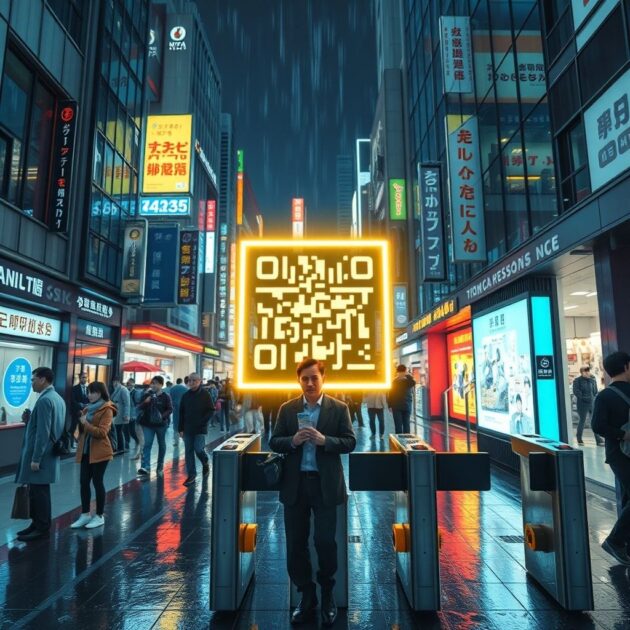
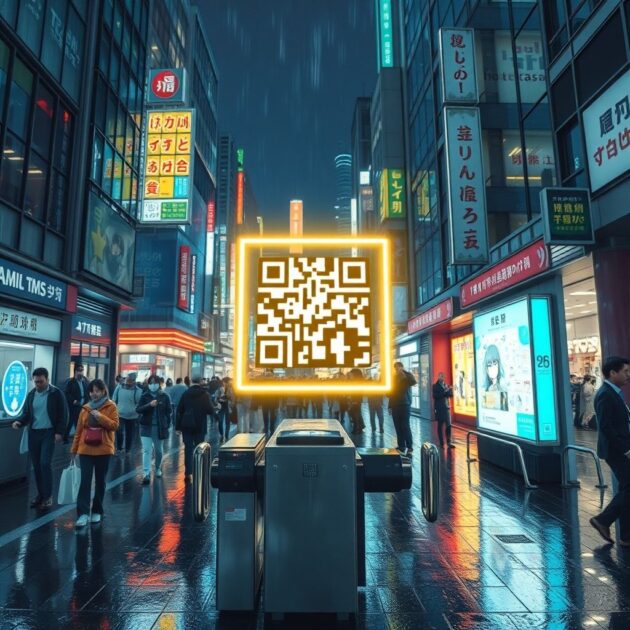
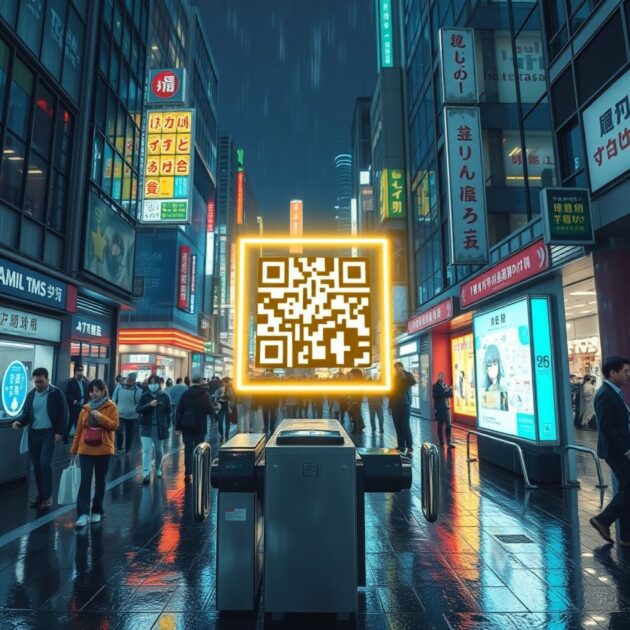
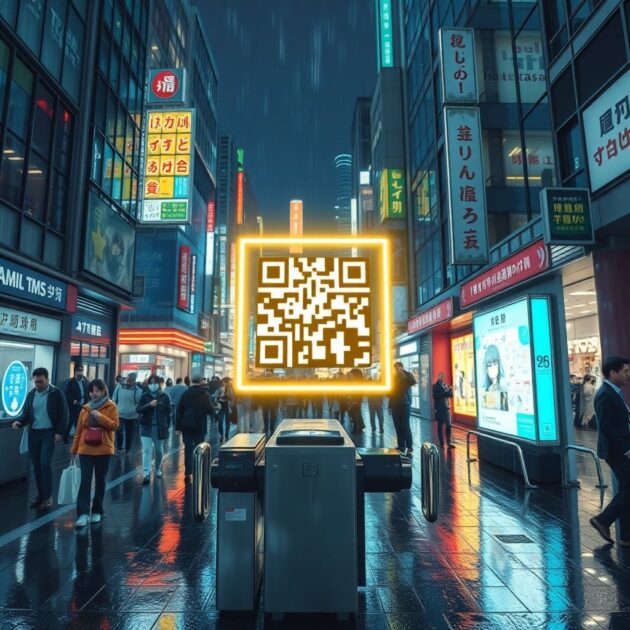
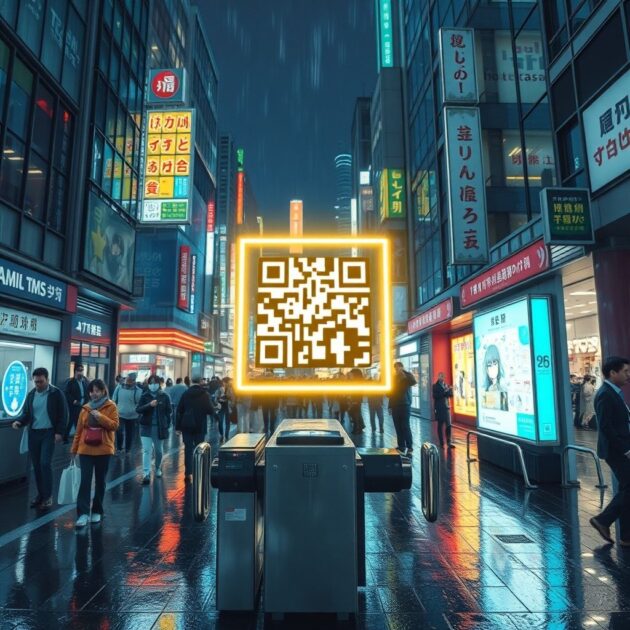
The rollout of QR‑code based purchases marks a tech‑forward pivot. Starting 10:00 a.m. on Wednesday 25 March 2026, travelers can scan a QR code via the Tokyo Metro app, bypassing physical counters entirely. This aligns with Japan’s broader push toward contactless, mobile‑first solutions post‑pandemic, reducing queue times at major hubs like Shinjuku and Ikebukuro. The move also dovetails with the city’s “Smart City” initiatives, integrating real‑time data for better crowd management. For a budgeting perspective, backpackers can also refer to our budget guide for surviving Tokyo on ¥10,000 for tips on stretching every yen.
For deeper verification, consult the official project page, which lists the exact pricing, validity rules, and QR‑code launch schedule. The transparency here is crucial; it allows travelers to plan itineraries with confidence, knowing exactly how much they’ll spend on transport versus attractions.
Old Guard Perspective: How the Ticket Stacks Up Against Past Passes
Back in the early 2010s, the Tokyo Metro offered a simple 24‑hour unlimited pass priced at ¥900 for adults—a figure that, at the time, felt steep for backpackers but was justified by the network’s premium service levels. Fast‑forward to 2026, and the Tokyo Subway Ticket has shaved ¥100 off that baseline, a modest yet meaningful concession that mirrors the competitive pressure from ride‑share apps and regional rail discount schemes. For a broader comparison, see why the Japan Rail Pass still holds its value when weighing long‑haul travel options. The inclusion of child rates also reflects a demographic shift: families are now a larger share of inbound tourism, spurred by the rise of “family‑friendly” anime conventions and theme‑park tie‑ins.
Studio trends in anime production have a surprising parallel. Studios that once focused on high‑budget, cinematic releases are now churning out shorter, streaming‑first series, reducing overhead and passing savings onto fans via cheaper merchandise. Similarly, Tokyo’s transit authority is streamlining operations—digital ticketing reduces staffing costs at ticket booths, and the data harvested from QR‑code scans informs schedule optimizations. The old guard, represented by veteran commuters who still clutch paper tickets, may scoff at the sleek QR‑code, but the numbers don’t lie: a 10‑15% reduction in operational expense translates directly into lower fares for the end‑user.
Market shifts also play a role. The post‑COVID travel boom has seen a surge in “micro‑tourism”—short, intensive trips lasting 2‑3 days. The 48‑hour ticket, priced at ¥1,200, perfectly caters to this cohort, offering a sweet spot between the cheap 24‑hour and the pricier 72‑hour options. In contrast, the 72‑hour ticket, while still a bargain for week‑long explorers, now competes with regional rail passes that bundle Shinkansen rides, forcing the metro to justify its value proposition through convenience and coverage.
Technical Crunch: Mechanics, Pricing, and QR‑Code Rollout
At its core, the Tokyo Subway Ticket is a time‑bound access key. The 24‑hour variant grants 1440 minutes of unlimited rides across 13 Tokyo Metro lines and 4 Toei lines, totaling 17 lines. The 48‑hour and 72‑hour tickets simply double and triple that window, respectively. Pricing follows a linear progression with a slight discount curve: ¥800 → ¥1,200 (+¥400) → ¥1,500 (+¥300). This diminishing incremental cost incentivizes longer stays, a classic price‑elasticity tactic.
The QR‑code implementation introduces a layer of cryptographic security. Each code is generated on demand, tied to a unique transaction ID, and encrypted using AES‑256. When scanned at a gate, the system validates the token against a central server, instantly marking the ticket as active and logging the start timestamp. This eliminates the risk of counterfeit paper tickets—a lingering issue in the pre‑digital era where counterfeiters would replicate the glossy green pass.
From a user‑experience standpoint, the QR‑code purchase integrates with the existing PASMO ecosystem. Users can load the ticket onto their PASMO card via the mobile app, merging fare payment and pass activation into a single tap. For travelers without a PASMO, the system auto‑generates a virtual card stored in the app, ensuring no hardware barrier. The backend analytics collect ride‑frequency data, enabling the metro to adjust train headways in real time, reducing overcrowding during peak anime‑themed event days when fan influx spikes dramatically.
Future Implications: What the Ticket Means for Tokyo’s Transit Landscape
The Tokyo Subway Ticket’s evolution signals a broader shift toward integrated, data‑driven mobility solutions. As QR‑code adoption matures, we can anticipate tiered dynamic pricing models that adjust fares based on real‑time congestion, rewarding off‑peak travel with deeper discounts. Such elasticity could dovetail with upcoming “smart‑city” initiatives, where AI predicts crowd flows during major anime conventions, adjusting train frequencies on the fly.
Moreover, the ticket’s child pricing and family‑friendly positioning may encourage the development of themed travel packages—think “Studio Ghibli pilgrimage passes” that bundle subway access with museum tickets. This synergy between pop‑culture tourism and public transport could unlock new revenue streams, allowing the metro to reinvest in infrastructure upgrades, such as platform screen doors and multilingual signage, further enhancing the visitor experience.
And yet, that glossy QR‑code is a double‑edged sword. It slashes fraud, sure, but it also turns the entire system into a data mine. As a nomad, I’ll keep my eyes peeled for how that data is wielded—will it make my rides smoother, or will it become another surveillance layer in a city that already watches us through vending machines?
Related Guides & Further Reading
Check out the Tokyo Subway Ticket archives.