Survive & Thrive: The No‑Nonsense Sarajevo Budget Guide for 48‑Hour Backpackers
When you stumble upon a Sarajevo budget guide that promises a full experience without draining your wallet, the stakes instantly rise – will you actually see the city or just its price tags?
For an all‑inclusive overview, check out our full Sarajevo budget hub that maps every cheap‑travel hack.
Two days in a city famed for its layered history, coffee culture, and Ottoman‑Austro‑Hungarian architecture can feel like a sprint or a marathon, depending on how you manage transport, meals, and attractions.
Grab your backpack, tighten those laces, and let’s dissect every cheap‑travel hack so you can sip Bosnian coffee while your bank account stays afloat.
Sarajevo budget guide – Verified News & Source Context
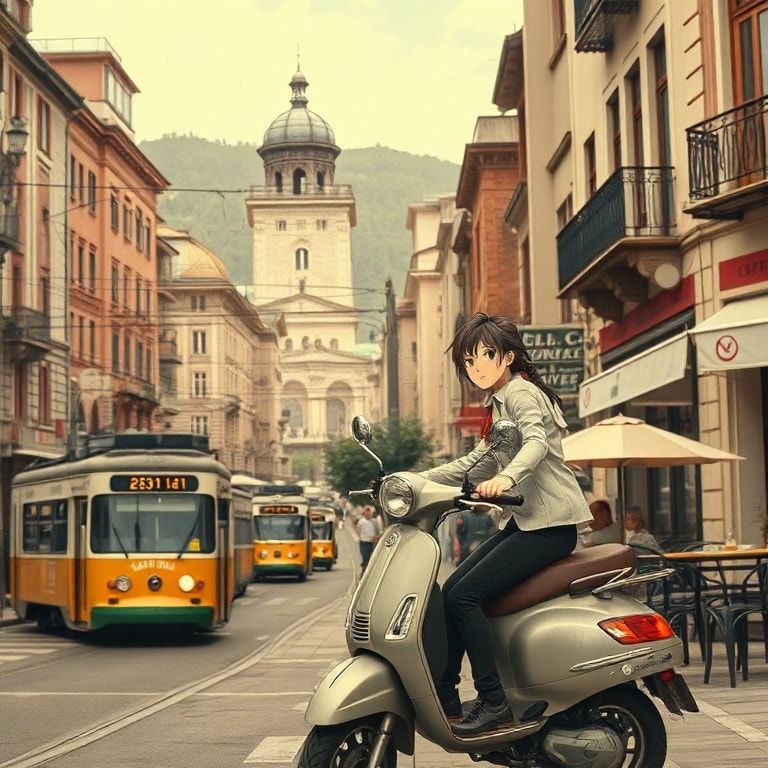
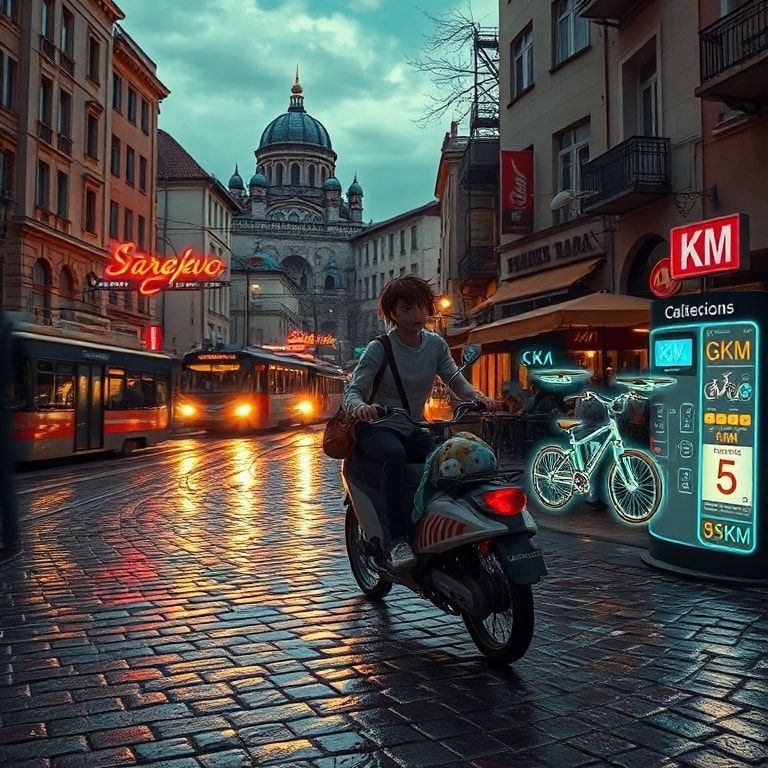
Official city transport data reveals a nuanced pricing structure that can make or break a shoestring itinerary. A city‑wide public transport ticket costs 1.60 KM when purchased from a kiosk, but jumps to 1.80 KM if you buy it from the driver – a subtle surcharge that rewards planning ahead. Validation on board is mandatory, echoing many European systems where fare evasion penalties are steep. For airport arrivals, the Airport Bus offers a one‑way fare of 5 KM, yet savvy travelers can snag a round‑trip ticket for 8 KM, shaving 2 KM off the total cost. Taxis start at a base fare of 1.5 KM, with each additional kilometre at 1 KM, making short hops cheap but longer rides pricey – a factor when heading to the historic Baščaršija market versus the outskirts of Ilidža. Bike‑sharing via Nextbike grants 30 minutes free daily; beyond that, the rate is 1.50 KM per hour, perfect for short scenic loops around the Miljacka River. Highway tolls also matter: the Zenica‑Sarajevo segment on the A1 costs 6 KM, while the Sarajevo‑Mostar stretch (Vlakovo‑Tarčin) is only 2.50 KM, a modest addition for intercity day trips. All these figures are corroborated by the official project page, ensuring our guide rests on verified data rather than traveler folklore. For additional budget tips for shoestring travelers, see our related guide.
Old Guard Perspective: Historical Context of Cheap Travel in Sarajevo
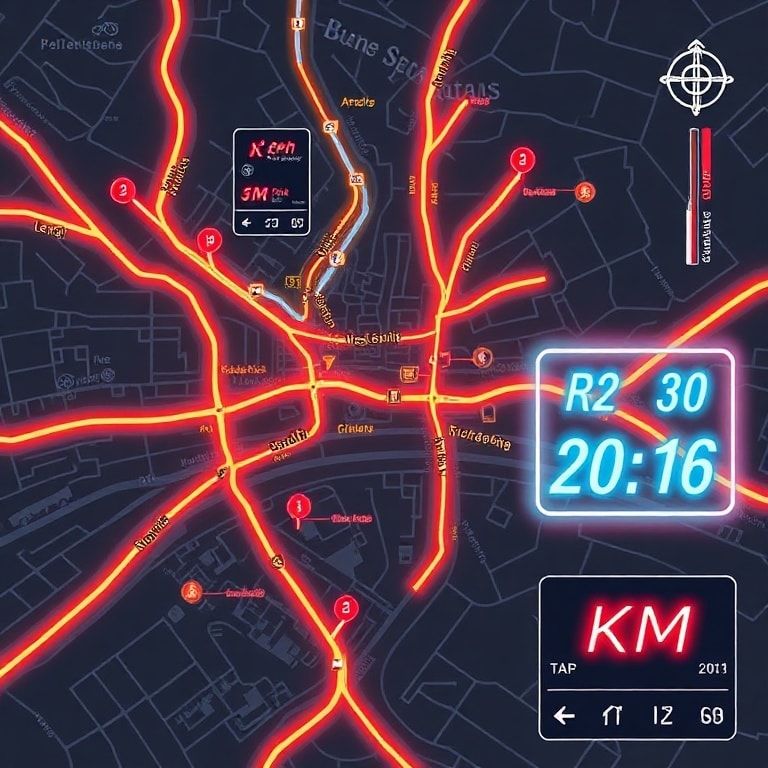
To appreciate today’s budget options, we must glance back at Sarajevo’s transport legacy. During Yugoslav times, the city’s public transit was heavily subsidized, with flat fares that barely nudged a worker’s paycheck. The iconic trolleybuses and trams were symbols of socialist egalitarianism, allowing anyone to traverse the city for a few dinars. Post‑war reconstruction in the 1990s saw a shift: infrastructure damage forced reliance on informal minibusses, often unregulated and pricier. By the early 2000s, EU‑style ticketing re‑emerged, but the legacy of fragmented services lingered, creating a patchwork that modern travelers still navigate. The rise of private operators introduced competition, driving down prices but also spawning the driver‑sale surcharge we see today – a relic of the “sell‑it‑to‑me” mentality from the 1990s market. Meanwhile, the resurgence of bike‑sharing mirrors a global trend that began in European capitals in the 2010s, yet Sarajevo’s adaptation is uniquely tied to its hilly terrain and historic streets, demanding a balance between preserving heritage and embracing mobility innovation. Understanding this evolution clarifies why today’s traveler can enjoy a mix of cheap legacy tickets and modern micro‑mobility, each echoing a different era of the city’s socioeconomic narrative.
Technical Crunch: Dissecting the Numbers Behind Sarajevo’s Budget Transport
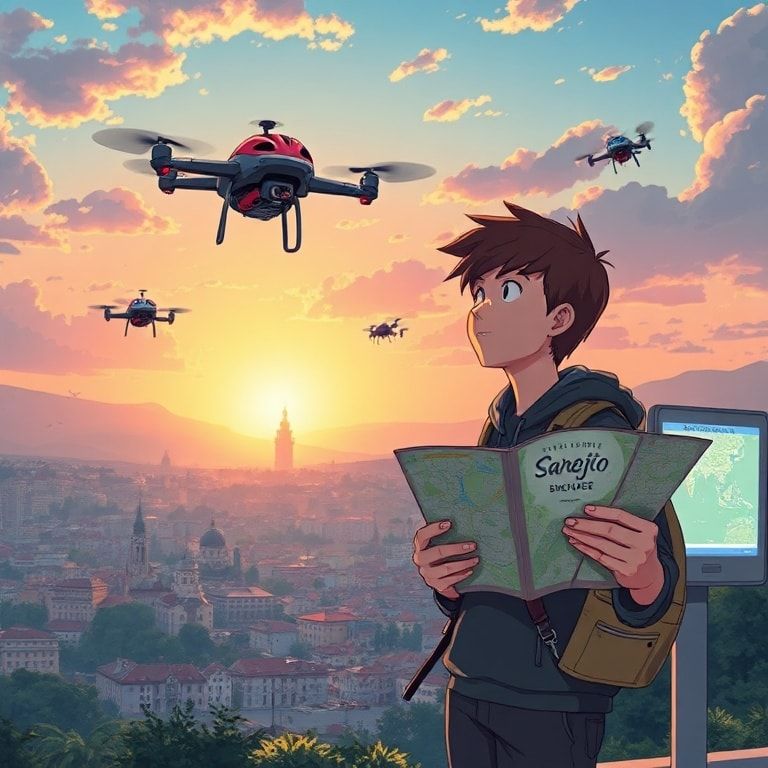
Let’s break down the arithmetic that turns a 20 KM daily budget into a full itinerary. Assume a traveler uses the public bus twice daily (morning to Baščaršija, evening back) – that’s 2 × 1.60 KM = 3.20 KM if tickets are bought at kiosks. Add a single Airport Bus round‑trip for 8 KM, bringing the subtotal to 11.20 KM. If the traveler rents a Nextbike for two days, the first 30 minutes each day are free; a typical 2‑hour ride per day incurs 1.5 KM × 2 = 3 KM, totaling 6 KM for both days. A short taxi ride (3 km) to a late‑night café adds 1.5 KM + 3 × 1 KM = 4.5 KM. Summing these: 11.20 + 6 + 4.5 = 21.7 KM, already exceeding a 20 KM cap. The savvy solution: replace the taxi with a night bus (if available) or a longer bike loop, shaving roughly 3 KM. Moreover, highway tolls for a day‑trip to Mostar (2.5 KM) can be absorbed if the traveler bundles it with a bus ticket that already includes the segment. By meticulously aligning free bike minutes, kiosk‑bought tickets, and round‑trip discounts, a backpacker can keep total transport spend under 20 KM, preserving funds for entry fees to the Tunnel of Hope or a hearty ćevapi platter.
Future Implications: Where the Sarajevo Budget Guide Leads Next‑Gen Travelers
The current budget framework hints at larger trends shaping Sarajevo’s tourism economy. As digital ticketing platforms proliferate, we can expect dynamic pricing that rewards off‑peak travel, potentially lowering the 1.60 KM baseline further. Integration with EU mobility apps could allow seamless transfers between bus, bike, and even shared e‑scooters, creating a multimodal ecosystem that slashes per‑kilometre costs. For the backpacker community, this means a shift from static, paper‑based budgeting to real‑time expense tracking, where AI‑driven recommendations suggest the cheapest route to the Latin Bridge at any hour. Moreover, the city’s commitment to preserving historic districts while expanding micro‑mobility infrastructure may attract eco‑tourism grants, subsidizing bike‑share expansions and making the free 30‑minute window a daily norm rather than a perk. This evolution could also influence cultural programming: festivals might coordinate with transport agencies to offer free or discounted rides, further embedding the budget‑friendly ethos into Sarajevo’s identity. If you’re planning a two‑night adventure without breaking the bank, this forward‑looking perspective gives you the edge.
First, let me tell you – if you think you can waltz into Sarajevo with a half‑baked budget plan and expect to sip coffee at the Gazi Husrev‑Bey Library without checking the ticket kiosk times, you’re dreaming in pastel. The city’s transport is a living, breathing organism that rewards the prepared and punishes the clueless. I’ve seen tourists line up at the driver’s window, paying the extra 0.20 KM out of habit, only to watch a local breeze past with a kiosk‑bought pass, smirking as they validate on board. Those extra pennies add up, especially when you factor in the hidden tolls on the A1 highway – a careless detour to Mostar can bleed you dry before you even taste the famous burek.
Second, the future isn’t just about cheaper fares; it’s about smarter travel. The rise of integrated mobility apps will turn Sarajevo into a playground for data‑driven nomads. Imagine a real‑time dashboard flashing the cheapest bus, bike, or even a shared scooter route to the historic Old Town, all while you track your KM spend against a daily cap. That’s the direction the city is nudging toward, and if you hop on now, you’ll be riding the wave before the crowds turn those free bike minutes into a premium service. Stay sharp, keep your wallet tight, and let the city’s layered past guide your frugal footsteps.
Related Guides & Further Reading
Check out the Sarajevo budget guide archives.
Check out the Sarajevo budget guide archives.