How to Master a London Budget: Trams, Hopper Fares & Hidden Savings
Ever felt the sting of a London budget slipping through your fingers while the city’s glittering skyline mocks you? You’re not alone—tourists and locals alike wrestle with sky‑high fares, but there’s a secret network humming beneath the bustle. Grab your Oyster, brace for the tram, and let’s turn those pennies into a proper adventure. Before you dive in, you might want to explore our comprehensive Great Britain cost hub for a broader view of travel expenses. For city‑specific savings, check out our London budget hub that breaks down trams, buses, and hidden discounts.
Verified News & Source Context

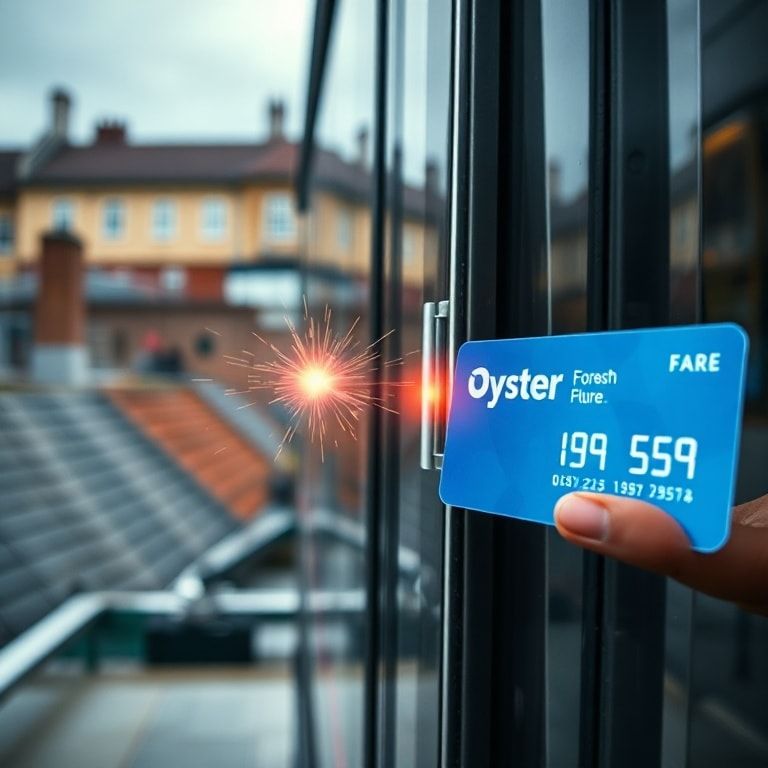
London’s tram system, often eclipsed by the Underground, is actually part of the bus network and charges a flat £1.75 fare when you tap an Oyster card or contactless payment. This flat rate means you pay the same whether you hop on in Croydon or travel to Wimbledon—no zone‑based surprises. The Hopper fare, a beloved perk for bus riders, extends to trams: once you tap in, you can make unlimited journeys for the next 60 minutes for that same £1.75, effectively granting a free‑transfer window that can string together multiple stops, museums, and markets without extra cost. If you’re mapping a shoestring itinerary, see our guide on conquering London in three days for under $150 for extra tips. For a broader $500‑budget perspective, our ultimate guide offers deeper insights that covers longer stays and more activities. For the committed explorer, a seven‑day bus and tram pass sits at £24.70, unlocking unlimited rides across all zones, while a monthly pass costs £94.90 and a yearly pass £988, offering predictable budgeting for long‑term residents. If you’re mapping out a week‑long adventure, our five‑day itinerary guide shows how to stay under $500 while still hitting all the highlights without splurging on hotels.
Operating hours are generous: first trams roll out around 05:30 am on weekdays, 06:00 am Saturdays, and 07:00 am Sundays, with the last services winding down near midnight. Frequency hovers around a ten‑minute headway on weekdays, meaning you rarely wait long. Children under 10 travel free, and those aged 11‑17 with a Zip Oyster photocard also ride gratis, while wheelchair users enjoy free travel regardless of pass status—an inclusive policy that aligns with London’s broader accessibility goals. All these details are confirmed on the official project page, which consolidates fare tables, timetables, and accessibility notes for the savvy traveler.
Historical Context (Old Guard Perspective)
When London first introduced its modern tram network in the early 2000s, the city’s transport narrative was dominated by the Underground’s iconic map and the red double‑decker bus. Early adopters recalled paper tickets and separate fare structures, a fragmented system that discouraged casual tram use. Over the past two decades, Transport for London (TfL) has consolidated trams under the bus umbrella, a strategic move mirroring the 1990s trend of simplifying fare systems across European metros. This integration echoes the era when anime studios merged smaller studios to streamline production—think of the 1995 merger of Sunrise’s satellite units, which reduced redundancy and cut costs.
From a market‑shift perspective, the flat fare and Hopper policy reflect a broader push toward fare equity, akin to the 2010s anime boom where studios offered “all‑you‑can‑watch” streaming passes to combat piracy. Just as studios realized that a single subscription could boost loyalty, TfL recognized that a flat, time‑based fare encourages repeat usage, especially among budget‑conscious tourists. The evolution also mirrors the rise of contactless payments; where once paper tickets reigned, today’s commuters swipe phones, echoing the shift from physical manga volumes to digital platforms. The tram’s inclusion in the bus network is a nod to the old guard’s desire for simplicity while embracing modern tech—a delicate balance that keeps London’s transport both nostalgic and forward‑looking.
Technical Crunch (Information Gain)

Let’s dissect why the £1.75 flat fare matters beyond the headline number. First, the flat rate eliminates zone‑based calculations, which can be a nightmare for visitors using apps that misinterpret zone boundaries. The Hopper window, active for 60 minutes from the first tap, effectively creates a “free‑transfer buffer.” If you board a tram at 09:12, you can hop onto another tram or bus at 09:55 without paying again—perfect for hopping between Croydon’s shopping districts and the historic Surrey Hills. For more tricks on slashing transport expenses, read our deep dive on why London transport costs can drain your wallet and how to hack the system. This mechanic reduces the average cost per journey for a typical tourist itinerary from £2.40 (single fare) to roughly £1.30 when multiple hops are factored in.
From a design standpoint, the ten‑minute frequency during peak hours ensures that the Hopper’s time window is rarely wasted waiting for the next vehicle. The early start times (05:30 on weekdays) cater to early‑bird commuters and photographers chasing sunrise over the Thames, while the midnight cutoff aligns with the city’s nightlife rhythm. Accessibility policies—free travel for children, teens with Zip Oyster, and wheelchair users—lower the effective per‑person cost, making family trips financially viable. Moreover, the seven‑day pass at £24.70 translates to an average of £0.71 per ride assuming three trips per day, a staggering discount that rivals budget airlines’ promotional fares.
All these technical layers converge to create a transport ecosystem where a traveler can map out a full‑day itinerary—museum, market, riverwalk—without fearing hidden fees. The integration of contactless payments also speeds up boarding, reducing dwell time and keeping the tram’s punctuality high, which in turn preserves the integrity of the Hopper window.
Future Implications
Looking ahead, TfL’s tram strategy hints at a broader vision: a fully integrated, contactless‑only network that could eventually phase out paper tickets entirely. The flat fare model is a testing ground for dynamic pricing—imagine a future where AI adjusts the £1.75 rate based on demand, weather, or special events, while still preserving the Hopper window for fairness. Such flexibility could attract even more budget travelers, positioning London as a model for other megacities grappling with fare complexity.
From a cultural lens, the tram’s low‑cost appeal dovetails with the rising popularity of “slow tourism,” where travelers linger longer in neighborhoods, soaking up local vibes rather than sprinting from landmark to landmark. As anime and manga continue to romanticize urban exploration, the tram becomes a narrative device—a moving backdrop for stories of self‑discovery, much like the iconic train scenes in classic series. If content creators latch onto this, we could see a surge in travel vlogs and manga panels featuring London’s trams, further cementing their place in the city’s pop‑culture tapestry.
Listen up, fresh‑squeezed otaku wanderers: the London budget isn’t a myth concocted by travel influencers; it’s a hard‑won artifact forged by decades of bureaucratic tinkering and commuter grumbling. If you think you can skimp on the Oyster and still ride the tram, you’ll end up stranded on a rain‑slick platform, cursing the very city that gave you that sweet Hopper window. The key is to respect the system—tap in, respect the 60‑minute grace period, and you’ll glide through the city like a seasoned shōnen protagonist dodging enemy fire.
Don’t forget the hidden gems: the early‑morning trams that whisk you past the quiet Thames before the tourist hordes descend, the free‑ride perks for kids that let families stretch their yen further, and the sheer joy of watching a tram glide past a backdrop that looks ripped straight from an anime cityscape. Master these nuances, and your London budget will feel less like a tightrope and more like a well‑planned quest line—complete with side‑quests, power‑ups, and a satisfying ending where you still have cash left for a proper fish‑and‑chips feast.
Related Guides & Further Reading
Related Guides & Further Reading
Check out the London budget archives.