Budapest Budget Guide: How to Stretch $30 a Day in the Pearl of the Danube
Looking for a Budapest budget guide that actually lets you live like a local without selling a kidney? Check out our comprehensive Budapest budget guide hub. This week‑long itinerary squeezes the city’s best sights, eats, and baths into a lean $30‑a‑day framework. Stick with me and you’ll discover how a single card can turn public transport, museums, and even thermal baths into free or heavily discounted experiences. For tips on how to wander the city without missing its soul, see our guide on roaming Budapest on $30 a day.
Verified News & Source Context – Budapest Card Deep Dive

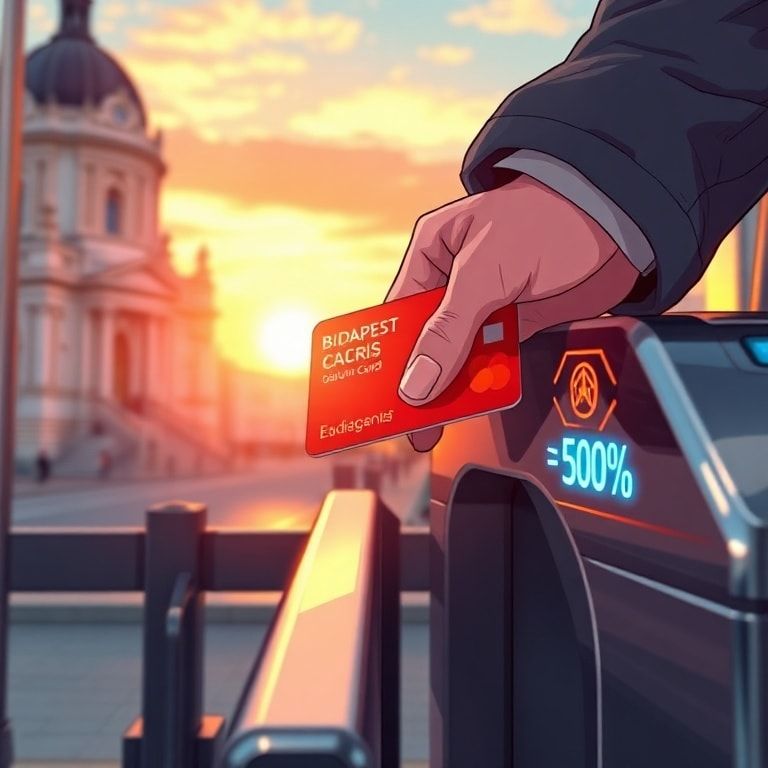
The Budapest Card, sold in fixed‑duration blocks of 24, 48, 72, 96, and 120 hours, is the linchpin of any serious Budapest budget guide. Each version grants unlimited rides on BKK’s metro, tram, bus, and suburban railway networks, meaning you can hop from the ruin bars of the Jewish Quarter to the grand halls of the Hungarian Parliament without ever buying a ticket. The 72‑hour PLUS variant sweetens the deal with a complimentary MiniBUD airport shuttle, covering a round‑trip between Liszt Ferenc International Airport and the city centre – a perk that alone can shave €10‑15 off your travel costs.
Physical cards are sold at over 300 points, most notably the BKK Customer Service Centres at the airport and Deák Ferenc tér. This widespread availability ensures even last‑minute arrivals can snag a card and start saving immediately. Cardholders also enjoy free entry to one thermal bath of their choice – a priceless benefit when you factor in the typical €15‑20 entry fee – and discounts ranging from 10 % to 50 % at more than 50 museums, attractions, restaurants, and services. In practice, a savvy traveler can stack these discounts: a 30 % cut at the House of Terror, a 20 % reduction on a dinner at a mid‑range bistro, and a free soak at Széchenyi Baths, all while riding the tram for free. For the full official rundown, see the official project page.
Historical Context – The Old Guard of Budget Travel in Budapest
Back in the early 2000s, budget travelers relied on guidebooks that listed “free museums on Tuesdays” and “discounted tram tickets bought at kiosks.” The concept of an all‑in‑one city pass was still embryonic, and most visitors cobbled together savings with a patchwork of student IDs and hostel vouchers. The Budapest Card, introduced in 2005, was a game‑changer, mirroring similar passes in cities like Berlin and London but with a uniquely Hungarian twist: the inclusion of a thermal bath entry. This early adoption set Budapest apart, turning the city into a magnet for backpackers seeking both culture and relaxation.
Over the past decade, the card’s duration options expanded, reflecting a shift from short weekend hops to longer, immersive stays. Meanwhile, the rise of digital ticketing and mobile apps has pressured physical cards to stay relevant, prompting the addition of perks like the MiniBUD shuttle. Compared to its peers, Budapest’s pass has consistently offered higher value per euro, a fact that seasoned nomads still cite when recommending the city to newcomers. The evolution mirrors broader industry trends: from static paper passes to dynamic, experience‑driven bundles that cater to the millennial desire for convenience and authenticity.
Technical Crunch – How the Budapest Card Mechanics Maximize Your $30

Let’s break down the math. A 72‑hour PLUS card costs roughly €30, which is already half of a typical daily budget for a Western traveler. Unlimited public transport alone can save you €12‑€15 over three days (average €4 per day for a single ride). Add the free MiniBUD shuttle (≈€10 value) and you’ve recouped the card’s price before even touching the museums. The budgeting algorithm mirrors what we detailed in our master guide on stretching $30 a day.
Next, factor in the mandatory free bath entry. Széchenyi’s thermal pools charge €19 for a day pass; with the card, that’s a straight €19 discount. If you visit two more baths (Gellért and Rudas) at 30 % off each, you’re looking at another €10‑€12 saved. Museum discounts further chip away at expenses: a 30 % cut on a €12 entry to the Hungarian National Museum saves €3.60, and a 20 % discount on a €10 dinner trims €2.
Stack all these savings, and you’re comfortably under the $30 daily ceiling while still enjoying premium experiences. The card’s design encourages “spend where you save,” nudging travelers toward high‑value attractions that would otherwise be out of reach. In short, the Budapest Card is not just a ticket; it’s a budgeting algorithm that aligns your itinerary with the city’s most cost‑effective pleasures.
Future Implications – What Lies Ahead for the Budapest Budget Guide
The next wave of Budapest budget guides will likely integrate real‑time data feeds, allowing travelers to see live discount availability and crowd levels via a mobile app. Imagine a dynamic version of the card that auto‑adjusts its perks based on seasonal demand – more bath discounts in winter, extra museum passes in summer. This could keep the card relevant amid the rising competition from on‑demand travel services like Uber and city‑specific subscription models.
Moreover, the growing emphasis on sustainable tourism may push the Budapest Card to incorporate eco‑friendly incentives, such as free bike‑share credits or discounts for low‑impact attractions. For veteran nomads, this evolution signals a shift from static, one‑size‑fits‑all passes to personalized, data‑driven travel companions that respect both the wallet and the planet.
Listen up, green‑horns: the Budapest Card isn’t a magic wand, it’s a toolbox. If you treat it like a cheat code and ignore the city’s hidden gems – the street‑food stalls in the 9th district, the free concerts in City Park, the sunrise yoga on Margaret Island – you’ll miss the soul of Budapest. Use the card to shave off the obvious costs, then splash the saved cash on experiences that no discount can buy. That’s the real art of budget travel.
And another thing – don’t get complacent. The tourism board loves to tweak the card’s perks every few years, adding a new museum here, pulling a bath there. Keep an eye on the official project page for updates, or you’ll end up paying full price for something that was free last month. Adapt, improvise, and you’ll turn a €30 card into a week’s worth of unforgettable memories without breaking the bank.
Related Guides & Further Reading
Check out the Budapest budget guide archives.