Why Granada February Beats Summer: Solo Travelers’ Budget Playbook
When the calendar flips to Granada February, most tourists think the city hibernates, but the truth is far more lucrative for the lone wanderer. The chill in the air sharpens the senses, the streets thin out, and every euro stretches like a well‑tuned plot twist. Miss this window and you’ll pay premium prices for the same historic magic.
Granada February: Ticket Prices and the Alhambra Playbook

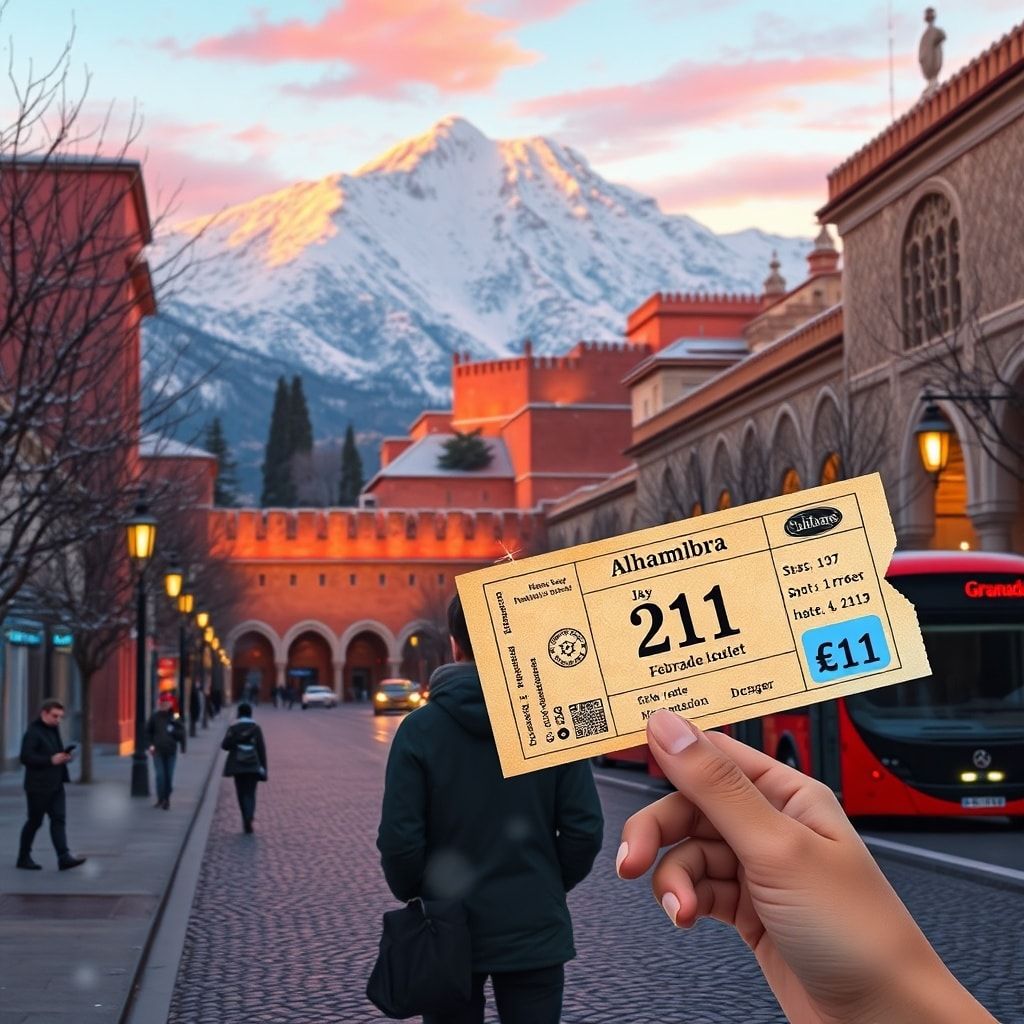
The official price for a general admission ticket to the Alhambra—covering the Alcazaba, Nasrid Palaces, and Generalife—is €21 per adult, provided you flash a valid ID. This nominal fee is listed on the Ayuntamiento de Granada tourism site and remains unchanged throughout February. Opening hours for the period 15 Oct – 31 Mar are 08:30 – 18:00, meaning early birds can beat the crowds and still have daylight for tapas‑laden evenings.
For the solo explorer, the Granada Card offers a compelling bundle. It’s a real budget travelers’ secret weapon, especially if you want to squeeze every monument into a tight schedule. The 48‑hour version costs €48.92 and bundles a general Alhambra ticket, unlimited access to the city’s main monuments, and nine free city‑bus rides. The 72‑hour version nudges up to €59.57, but the extra 24 hours can be a game‑changer for those who wish to linger in the Albaicín or hunt down hidden tea houses. By contrast, a standard city‑bus fare sits at €1.60 per trip; the Card’s nine rides effectively nullify that expense, a sweet deal for a lone traveler hopping between sites.
Crucially, every Sunday in February—indeed, the entire year—grants free admission to all municipal monuments, Alhambra included. This policy, still in effect, can slash your budget by up to €21 if you time your visit right. Combine a free Sunday with the early‑opening window, and you can explore the palace complex before the midday rush, all while keeping your wallet as light as the winter breeze.
For ticket acquisition, head to the official project page, where you can secure timed entries and avoid the dreaded “sold‑out” nightmare that plagues peak seasons. If you’re hunting a shoestring strategy, our step‑by‑step guide to exploring the Alhambra on a budget walks you through every cheap tip.
Old Guard Perspective: How Granada’s Tourist Game Has Evolved
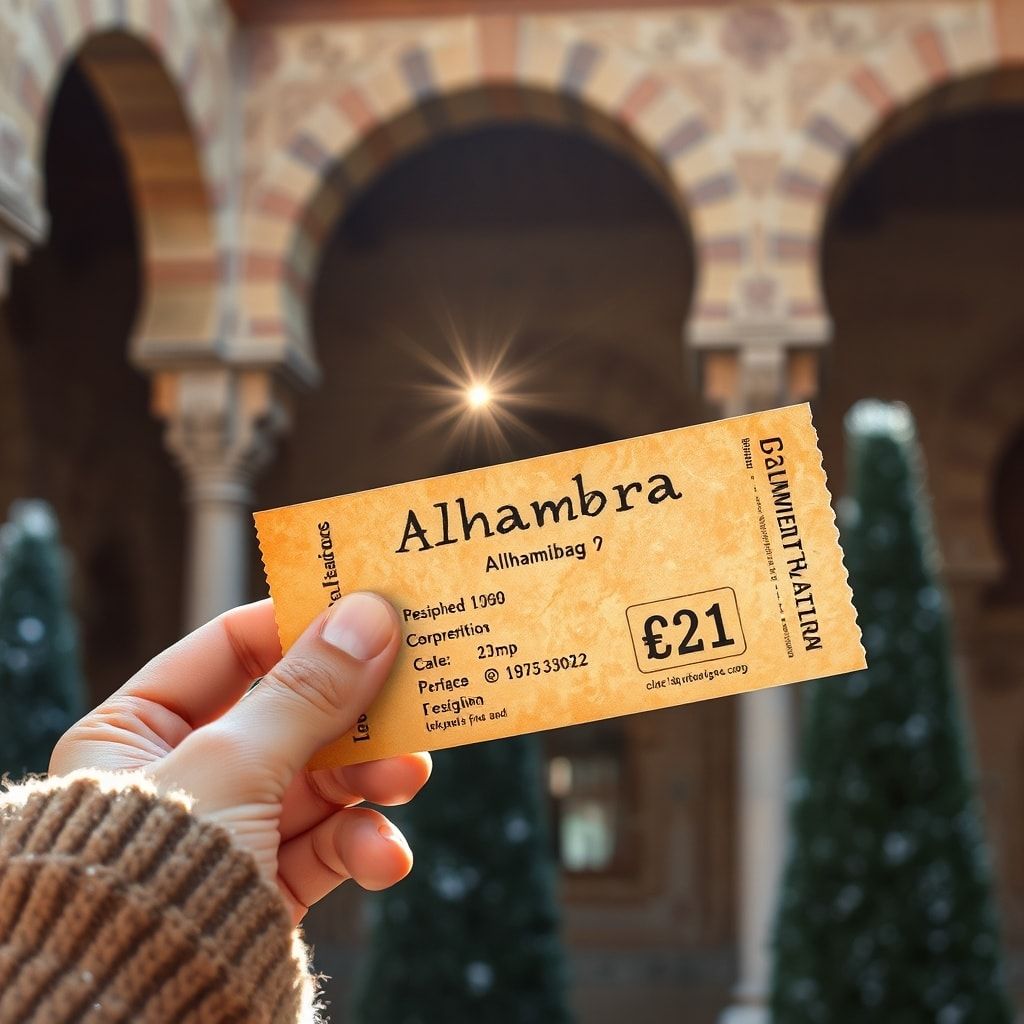
Back in the early 2000s, Granada’s tourism model resembled a classic shōnen tournament: high‑priced tickets, limited information, and a rush of group tours that turned the Alhambra into a conveyor belt of tourists. The Alhambra’s standard ticket hovered around €15, but the lack of online reservation systems meant long queues and a chaotic experience. Public transport was a patchwork of irregular routes, and the concept of a city‑wide pass was virtually unheard of.
Fast‑forward to today, and the city has adopted a more “isekai” approach—transporting travelers into a streamlined, user‑friendly reality. The Granada Card, introduced in 2015, mirrors the “all‑access pass” trope common in anime festivals, granting instant credibility and convenience. Moreover, the free‑Sunday policy, launched in 2012, reflects a shift toward inclusive cultural policy, akin to the democratization of power‑ups in a long‑running series.
Industry analysts note that this evolution aligns with broader European trends: cities are leveraging dynamic pricing, digital ticketing, and bundled experiences to attract solo and budget‑conscious travelers. Granada’s pivot from a high‑margin, group‑tour focus to a diversified, value‑added offering mirrors the transition seen in other heritage hubs like Rome and Kyoto, where the emphasis now lies on sustainable tourism and personalized itineraries.
For the veteran otaku nomad, recognizing these shifts is crucial. The old guard’s heavy‑handed pricing is now a relic, replaced by a system that rewards strategic planning—much like mastering a game’s meta to outplay the competition.
Technical Crunch: Money‑Saving Mechanics for Solo Explorers

Let’s break down the numbers. A solo traveler aiming to hit the Alhambra, the Cathedral, the Royal Chapel, and the Science Park can choose between three budgeting strategies:
- Pay‑as‑you‑go: €21 (Alhambra) + €1.60 × 4 bus rides = €27.40.
- Granada Card 48‑h: €48.92 (includes Alhambra ticket and 9 free rides). Even if you only use five rides, you still save €2.48 compared to the pay‑as‑you‑go route.
- Free Sunday hack: Schedule your Alhambra visit on a Sunday → €0 for the palace. Add €1.60 × 4 bus rides = €6.40 total.
The third option is the clear winner, but it hinges on timing. If your itinerary is flexible, you can front‑load the Alhambra on a Sunday, then use the remaining days for museums that remain free on Sundays as well. The Granada Card’s value shines when you plan a dense 48‑hour sprint: the card’s unlimited monument access means you can hop from the Alhambra to the Alcaicería without extra fees, effectively turning a €21 ticket into a “free” perk.
Another layer: the city‑bus network operates on a zone‑based system, but the Card’s nine rides cover most intra‑city hops. For a solo traveler who prefers walking, the savings are marginal, but for those who want to conserve energy for night‑time tapas tours, the bus rides become a strategic resource—think of them as stamina points in an RPG.
Finally, consider accommodation costs. February’s low season sees hostel prices dip 30‑40% compared to summer. Pair that with the free‑Sunday policy, and you can craft a sub‑€200 week‑long adventure—a budget that would have been impossible in the high‑season “golden era.”
Future Implications: What the Next Season Holds for Budget Nomads
Looking ahead, Granada’s tourism board is piloting a QR‑code based “instant‑ticket” system slated for rollout in late 2026. This will allow travelers to generate timed Alhambra entries on the fly, reducing the need for advance booking and potentially eroding the current scarcity that fuels price hikes. For solo adventurers, this could mean more spontaneous trips, akin to a sudden power‑up in a battle‑royale.
Moreover, the city is negotiating with regional authorities to expand the free‑Sunday policy to include select museums on Saturdays during the low‑season, effectively creating a “budget weekend” model. If approved, the financial calculus for a February itinerary will shift dramatically, making the Granada Card less essential for cost‑saving but still valuable for convenience.
Listen up, fresh‑blood. The moment you think you’ve cracked the Granada code is the moment the city throws a new variable at you. The free‑Sunday loophole is a classic, but the upcoming QR‑ticket system will make “last‑minute” the new norm. If you cling to old habits—booking weeks in advance, relying on static maps—you’ll end up paying for nostalgia instead of experiences. Adapt, or watch your budget evaporate faster than a winter snowflake on the Alhambra’s marble.
My two‑cent coin? Treat February like a secret boss level. Stack the Granada Card only when you’re planning a marathon of monuments; otherwise, ride the free‑Sunday wave and keep your cash for the real treasure—those hidden tavernes where locals swap stories over a glass of sweet wine. The city’s evolving policies are just the next chapter in a never‑ending saga of travel hacks. Stay sharp, stay cheap, and let the winter winds carry you to the heart of Granada without burning a hole in your pocket.
Related Guides & Further Reading
Check out the granada-february archives.