Serbia Budget Shock: How a Backpacker Can Survive (or Thrive) on 8 Days of Adventure
Ever stared at a spreadsheet and wondered if your wanderlust will bankrupt you before you even leave the airport? Before you dive in, check out our comprehensive Belgrade budget guide for a solid baseline on costs in the capital. The Serbia budget for an eight‑day trek is the silent villain—or the unsung hero—depending on how you slice the numbers. Strap in, because we’re about to dissect every dinar, diesel‑smoke ticket, and hidden fee that could make or break your Balkan backpacking saga.
Verified News & Source Context
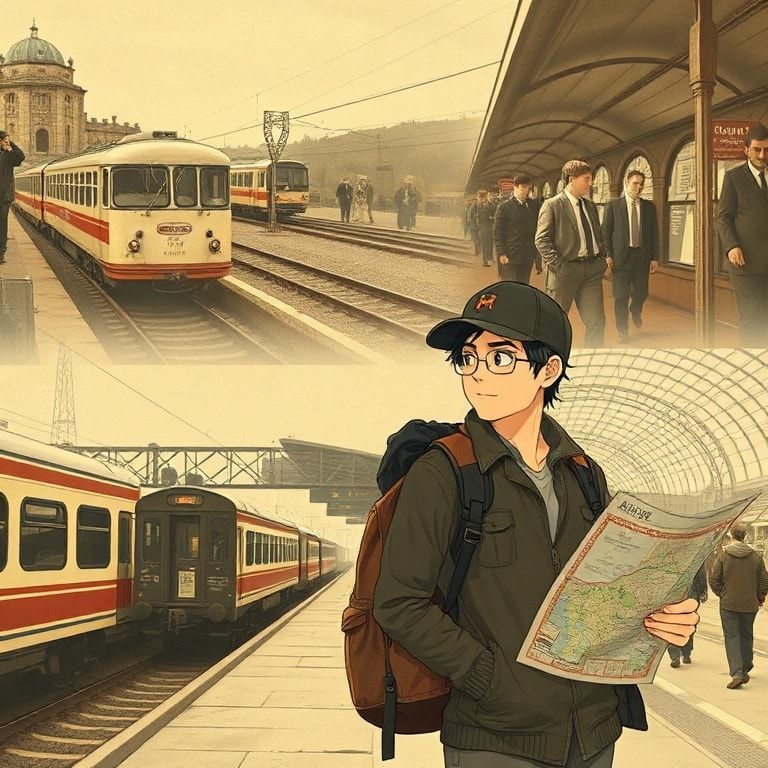
The Serbian Railways has just published a tidy little table that reads like a treasure map for the budget‑conscious nomad. Adult tickets for the heritage Romantika line cost 1 200 RSD for diesel‑traction first‑class and a steamy 1 800 RSD for the steam‑traction experience. Kids aged 6‑14 pay half that—600 RSD diesel, 900 RSD steam—while toddlers under six ride free, a perk that can shave a few euros off a family trip. Those numbers aren’t arbitrary; they reflect the cost of maintaining vintage locomotives, fuel, and the limited capacity of a train that can only haul 26‑34 passengers.
If you’re the type who wants to charter the whole carriage for a private photo‑shoot, the railway offers a rental model: 40 000 RSD for a 26‑seat train, 50 000 RSD for up to 34 seats. That’s a hefty chunk of a backpacker’s cash, but it also opens doors to exclusive experiences—think sunrise over the Drina River with only your crew in sight.
Serbia also mandates that travelers show at least €50 per day in cash on entry, a policy meant to ensure tourists can cover immediate expenses without relying on card infrastructure in rural outposts. For EU, Swiss, Norwegian, Icelandic, Bosnian‑Herzegovinian, Montenegrin, and North‑Macedonian citizens, entry is a breeze—just a national ID card, no visa hassle, and a 90‑day stay limit.
Seasonally, the Romantika museum train runs from 29 March to 31 October 2025, with a tighter June‑September window for peak demand. Knowing these dates lets you align your itinerary with the most scenic runs, avoiding the off‑season gloom. All these data points converge on a single truth: the Serbia budget isn’t a static figure; it’s a living, breathing set of variables that shift with season, passenger load, and personal choices. For the meticulous planner, the official project page is the holy grail of up‑to‑date pricing.
Historical Context (Old Guard Perspective)
Back in the early 2000s, Serbia’s rail tourism was a footnote in the broader Balkan travel narrative. The country’s post‑Yugoslav recovery meant infrastructure was a patchwork of Soviet‑era steel and crumbling tracks, and the idea of a heritage train was more romantic fantasy than commercial reality. Budget travelers then relied on cheap buses, hitch‑hiking, or the occasional night train that cost a fraction of today’s Romantika tickets, but offered none of the curated scenery or nostalgic allure.
Fast forward two decades, and the Romantika line has become a flagship attraction, mirroring Japan’s successful heritage rail revivals like the Oigawa Railway. The shift reflects a broader trend: governments leveraging cultural nostalgia to attract higher‑spending tourists while still catering to backpackers through tiered pricing. The diesel‑traction service, introduced as a cost‑effective alternative to steam, mirrors the industry’s push for sustainability without sacrificing the vintage vibe. Meanwhile, the steam‑traction experience commands a premium, echoing the premium‑pricing model of limited‑edition anime merch—collectors (or in this case, travelers) will pay extra for authenticity.
From a studio‑like production standpoint, the railway’s branding has evolved from utilitarian timetables to glossy brochures and Instagram‑ready visuals. The old guard would scoff at the glossy marketing, but the numbers prove it works: increased ticket revenue funds track maintenance, allowing the line to stay operational longer into the autumn months. This historical pivot from low‑cost, high‑volume transport to a mixed‑model of budget and boutique experiences is the backbone of today’s Serbia budget calculations.
Technical Crunch: How the Numbers Stack Up
Let’s break down the math for an eight‑day backpacker aiming to ride the Romantika once, stay in hostels, and eat street food. Assume you’re a solo adult opting for diesel‑traction first‑class: 1 200 RSD ≈ €10.2 (using 1 EUR ≈ 118 RSD). Add a daily cash buffer of €50 × 8 = €400, which you’ll need for meals, local transport, and unexpected fees. Hostels in Belgrade average €12 per night, while smaller towns dip to €8; let’s average €10 × 7 nights = €70. Street food meals cost about €5 each, three meals a day = €15 × 8 = €120. Transportation between cities (buses, occasional trains) runs roughly €5 per leg, say four legs = €20. Total so far: €10.2 + €400 + €70 + €120 + €20 = €620.2.
If you decide to splurge on the steam‑traction experience, add another €7.5 (1 800 RSD). For a family of three (two adults, one child 8 y), the child ticket halves the adult cost, shaving about €5 off the total. Renting the whole train is out of reach for most backpackers, but a group of four could split the 40 000 RSD cost, yielding €10 000 each ≈ €85, a steep but potentially worthwhile investment for a private adventure.
Why does this granular breakdown matter? Because the Serbia budget isn’t just a headline figure; it’s a mosaic of choices. Each decision—diesel vs. steam, solo vs. group, hostel vs. Airbnb—shifts the budget curve. Understanding the underlying stats lets you manipulate the variables to fit your financial comfort zone, turning a seemingly rigid cost structure into a flexible planning tool.
Future Implications for the Serbia Budget Traveler
The Romantika line’s operating season is set to extend into late October, and there are whispers of a spring‑time revival in 2026, potentially adding a few extra weeks of service. If the railway succeeds in attracting more international tourists, we could see a tiered pricing model where premium “golden hour” tickets cost up to 2 500 RSD, while a new “budget‑friendly” diesel slot drops to 900 RSD. Such a shift would directly impact the Serbia budget, offering cheaper entry points for backpackers but possibly inflating costs for the premium experience.
Moreover, Serbia’s push to integrate digital payment solutions could relax the €50‑per‑day cash requirement, easing the burden on travelers who prefer card transactions. This would also open the door for dynamic pricing apps that adjust ticket costs based on demand, similar to airline models. For the seasoned nomad, staying ahead of these tech trends could mean snagging lower fares during off‑peak windows.
Listen, kid, the moment you think you’ve nailed the Serbia budget is the exact second the railway decides to repaint the locomotive in a snazzy new livery and slap a “limited edition” tag on it. They’ll charge you extra for the paint, for the nostalgia, for the Instagram‑ability. The old guard would tell you to ignore the flash and focus on the rails, but the modern market loves a good story, and you’ll be paying for that story whether you like it or not.
My two decades on the road taught me that the only constant is change—train schedules shift, prices inflate, and the “budget” label becomes a moving target. So keep your spreadsheet flexible, your cash on hand, and your expectations low. That way, when the next Romantika season rolls around with a new price tier, you’ll still have enough left to buy a kebab and a cold beer, and that, my friend, is the true measure of a successful Serbia budget adventure.
Related Guides & Further Reading
Check out the Serbia budget archives.