Why One Piece swordsmen Forget All Others: Zoro Still Rules the Grand Line
When it comes to One Piece swordsmen, the name Roronoa Zoro is shouted louder than any other, echoing across the Grand Line and into every fan forum.
The stakes are high—each new arc reshapes the power hierarchy, and the competition is fiercer than ever. Yet, despite fresh blades and rising rivals, as some fans wonder who might actually dwarf Zoro in 2026, Zoro’s dominance remains unshaken, a fact highlighted in our analysis of why swordsmen bow before him, and a testament to narrative design and sheer fan devotion.
For a full overview of anime sword lore, explore our complete guide to anime swords. For a broader perspective on every notable swordsman across anime, see our Anime Swordsmen Hub. For a comprehensive ranking, check out our One Piece swordsmen hub.
Zoro’s Canonical Profile & Milestones
Debut, Age Progression, and Bounty Growth
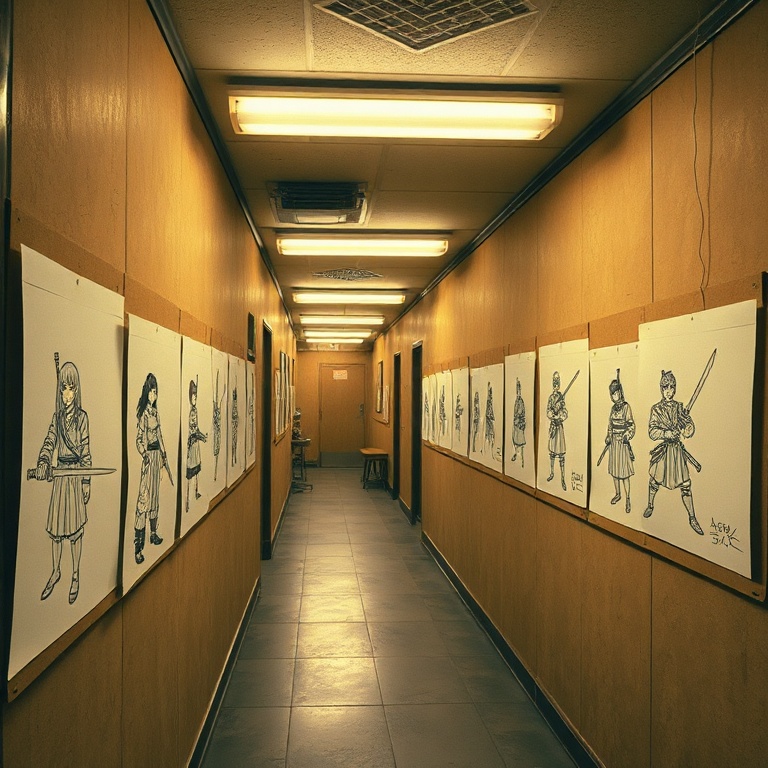
Zoro first cut onto the scene in Chapter 3, “Introducing Pirate Hunter Zoro,” dated August 4 1997, a moment that instantly cemented his place in Shōnen lore. At debut he was a 19‑year‑old ronin, already wielding a fierce resolve that would later justify his three‑sword (Santoryu) style.
The two‑year timeskip ages him to 21, a subtle nod to his rapid skill growth while preserving his youthful swagger.
His bounty trajectory maps his escalating threat level and mirrors the series’ inflation of stakes:
- 60 million Berries
- 120 million Berries
- 320 million Berries
- 1,111 million Berries
Signature Swords and Symbolic Detail
Each sword he carries carries narrative weight:
- Enma – a cursed blade from Kozuki Oden that pushes his limits.
- Wado Ichimonji – an heirloom honoring his late friend Kuina.
- Sandai Kitetsu – a cursed blade that tests his resolve.
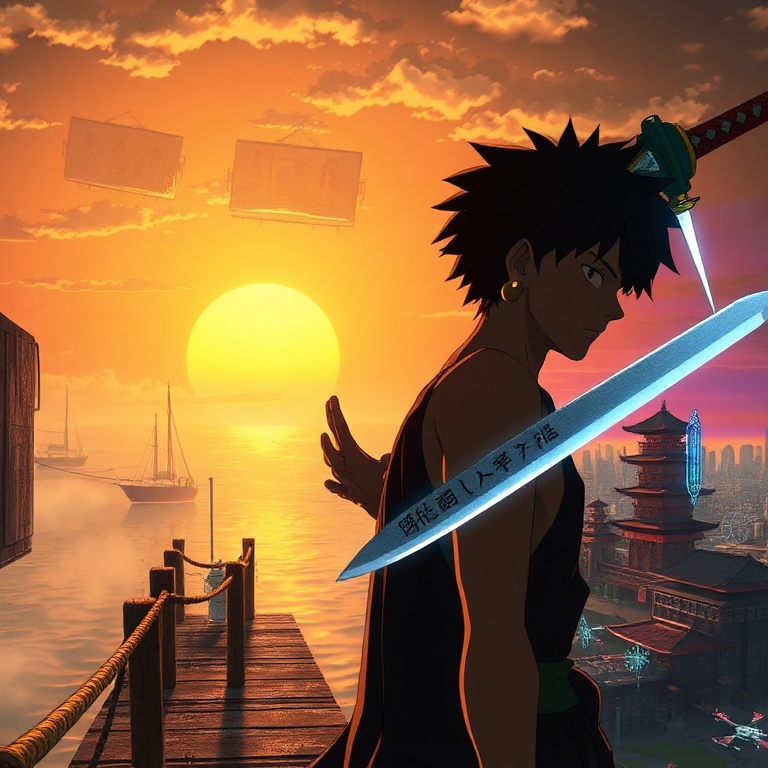
The three golden earrings in his left ear are not mere fashion; they symbolize his Santoryu mastery, a visual cue that fans instantly recognize. All these details are meticulously cataloged on the official project page, confirming their canonical status and providing a reliable reference for any deep‑dive analysis.
Design Origins & Brand Evolution
Budget‑Driven Visual Hook in the Late ’90s
To understand why Zoro still towers over the pantheon of One Piece swordsmen, we must rewind to the series’ early adaptation era. In the late ’90s, Toei Animation’s limited budget forced them to rely on strong character designs over flashy fight choreography. Zoro’s three‑sword silhouette, a design that still makes many swordsmen bow before him, became a cost‑effective visual hook that distinguished him from contemporaries like Mihawk or Brook.
Animation Advances and Global Reach
As the franchise matured, studios like MAPPA and later Toei invested heavily in fluid animation, yet they retained Zoro’s core aesthetic, reinforcing brand continuity. This mirrors trends in other shōnen franchises—think Naruto’s Rasengan or Bleach’s Zanpakutō—where iconic techniques become franchise trademarks.
Market shifts toward global streaming also amplified Zoro’s exposure; his fights are now binge‑watched worldwide, cementing his status as the archetypal swordsman. Moreover, the old guard of manga editors often pushed for clear power hierarchies, positioning Zoro as the “next‑in‑line” to Mihawk, whose own dominance is explored in our detailed breakdown of why he still dwarfs many rivals, a narrative decision that has endured through multiple arcs, reinforcing his relevance across generations.
Sword Mechanics & Fight Presentation
Individual Blade Traits
- Enma – forged from the same steel as the legendary swords of Wano, possesses a latent “sacrificial” property: it draws the user’s Haki, amplifying attack power at the cost of stamina.
- Wado Ichimonji – a katana passed down from Kuina, channels Zoro’s emotional resolve, granting precision strikes that often bypass conventional defense.
- Sandai Kitetsu – the cursed blade introduces a risk‑reward dynamic—its bloodlust can boost aggression but threatens to overwhelm the wielder’s will.
Combat Techniques, Haki Integration, and Sound Design
Together, these swords enable Zoro to execute techniques like “Asura” (four arms, three heads) and “One Sword Style,” each with distinct damage multipliers and animation cues.
Statistically his swordsmanship is quantified by a combination of Swordsmanship Haki (Busoshoku) and Observation Haki, allowing him to predict opponent movements and reinforce his blades.
Production designers meticulously animate each slash with unique sound design—metallic clangs for Wado, eerie whispers for Kitetsu, and thunderous roars for Enma—ensuring viewers can instantly identify the weapon in play. This technical depth not only enriches fight choreography but also justifies his top‑tier ranking among One Piece swordsmen.
Upcoming Challenges & Market Outlook
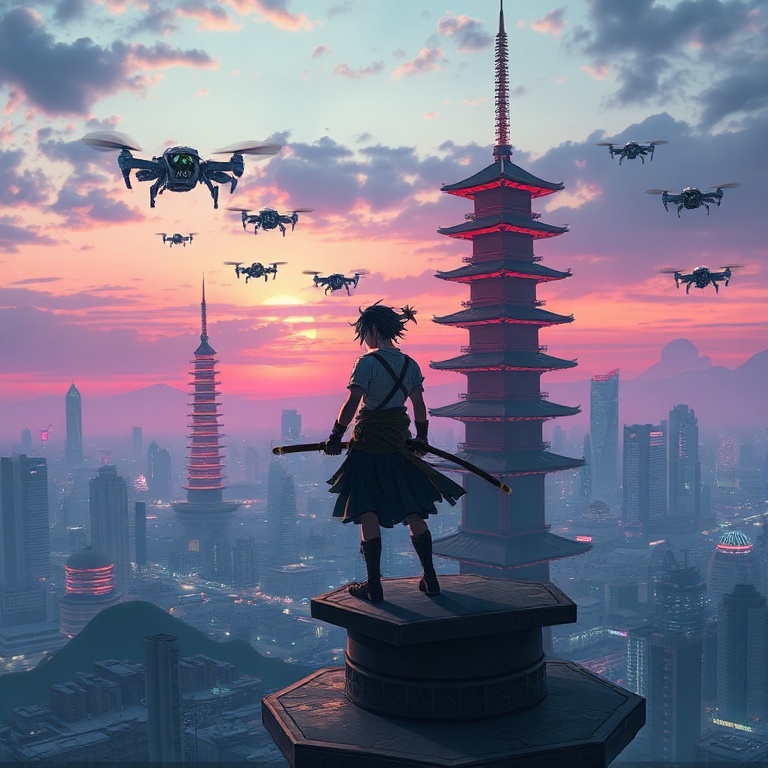
The horizon for One Piece swordsmen is expanding beyond the seas into cyber‑enhanced realms. With the Wano Country arc transitioning into a techno‑feudal future, new antagonists wielding hybrid katana‑laser weapons are poised to challenge Zoro’s supremacy.
Narrative foreshadowing hints at a possible “Swordmaster’s Tournament” where Zoro must confront a new generation of swordsmen trained in both traditional kenjutsu and advanced Haki augmentation. This could catalyze a power spike, prompting Oda to introduce a fifth sword or a new Haki form, thereby preserving Zoro’s relevance in an ever‑escalating power scale.
From a cultural standpoint, Zoro’s enduring popularity fuels merchandise, spin‑off games, and cosplay trends, ensuring his marketability remains high regardless of narrative shifts. The risk lies in over‑inflating his abilities, which could alienate fans who cherish his underdog origins. Balancing his growth with credible challenges will be crucial for the franchise’s longevity.
Related Guides & Further Reading
Related Guides & Further Reading
Logbook Note
Listen, kid—after two decades of sailing the Grand Line of fandom, I’ve seen swordsmen rise, fall, and get resurrected as plush toys. Zoro’s staying power isn’t just about his three‑blade swagger; it’s a masterclass in character branding. The guy’s got a visual shorthand—three swords, gold earrings, a scar that screams “I’ve been through hell”—that even a lazy algorithm can flag as “iconic.” When studios throw cash at a fight scene, they’re not just animating a clash; they’re cashing in on a brand that sells more figures than a whole season of merch.
Now, the next wave of swordsmen will try to out‑shine the green‑haired ronin with tech‑enhanced blades and flashy Haki combos, but remember: fans love a good underdog story. If Zoro’s written into a “new‑age” tournament, the writers better give him a reason to bleed, to struggle, or else the whole thing turns into a glorified advertisement. Keep your eyes on the balance between power creep and narrative heart—otherwise, the whole “One Piece swordsmen” hierarchy collapses faster than a paper katana in a hurricane.
Related Guides & Further Reading
Nomad’s Log: Tracking more intel? Follow the ink‑trail to our One Piece swordsmen archives.
Check out the One Piece swordsmen archives.