Why Your Dream India Backpacking Cost Might Be a Mirage – The Brutal Truth Revealed
When you Google India backpacking cost, the numbers that pop up often feel like a sweet lullaby promising cheap thrills. But once you step off the plane, reality hits harder than a shonen hero’s final attack. The stakes? Your wallet, your itinerary, and the very soul of your adventure. Before you set off, check out our comprehensive India month budget hub to ground your expectations.
Verified Transport Figures Shaping India backpacking cost
The Incredible India portal lists a private jeep or minivan airport transfer in the Andaman and Nicobar Islands at Rs 500‑800. That’s a modest entry fee compared to mainland taxis, but for a solo backpacker it’s a non‑negotiable line item that can eat into a tight budget. A full‑day sightseeing cab runs about Rs 1,500, effectively doubling the transfer cost if you decide to explore beyond the typical Port Blair loop. The real kicker is the Port Blair‑to‑Diglipur private cab quote of Rs 10,000 – a price that forces you to weigh the allure of remote beaches against the harsh arithmetic of a 20‑day cash plan. Scooter rentals at Rs 400 per day provide a cheaper alternative, yet they come with safety trade‑offs and limited luggage capacity. Hiring a private jeep for a day around Port Blair’s major attractions also sits at Rs 1,500, separate from the airport fee, meaning a traveler could easily spend Rs 3,000‑4,000 just on local mobility. If you’re looking to stretch those numbers, our detailed guide on how to stretch an India month budget offers practical tips. All these figures are corroborated by the official project page, underscoring that transport alone can consume 15‑20% of a modest Rs 30,000‑40,000 backpacking budget.
Old Guard Perspective: How Past Budgets Compare
Back in the early 2000s, solo travelers to India could survive on a shoestring of Rs 15,000 for a month, thanks to cheap dorms, shared taxis, and a thriving network of budget hostels. Those days predate the surge of private cab services that now dominate the Andaman market. The old guard relied heavily on government‑run buses and shared auto‑rickshaws, which kept transport costs under Rs 200 per day. Fast forward to today, and the proliferation of private operators has driven up baseline mobility expenses, especially in island territories where competition is limited. Studios like Yash Raj and Dharma Productions have mirrored this shift in their travel‑centric narratives, moving from gritty, low‑budget road trips to glossy, high‑octane road movies that showcase sleek jeeps and luxury yachts—reflecting audience expectations for comfort. Moreover, the rise of digital booking platforms has transformed the supply chain, allowing operators to price dynamically, often inflating costs during peak tourist seasons. This market evolution forces modern backpackers to allocate a larger slice of their budget to transport, a stark contrast to the frugal itineraries of the past.
Technical Crunch: Decoding the Numbers
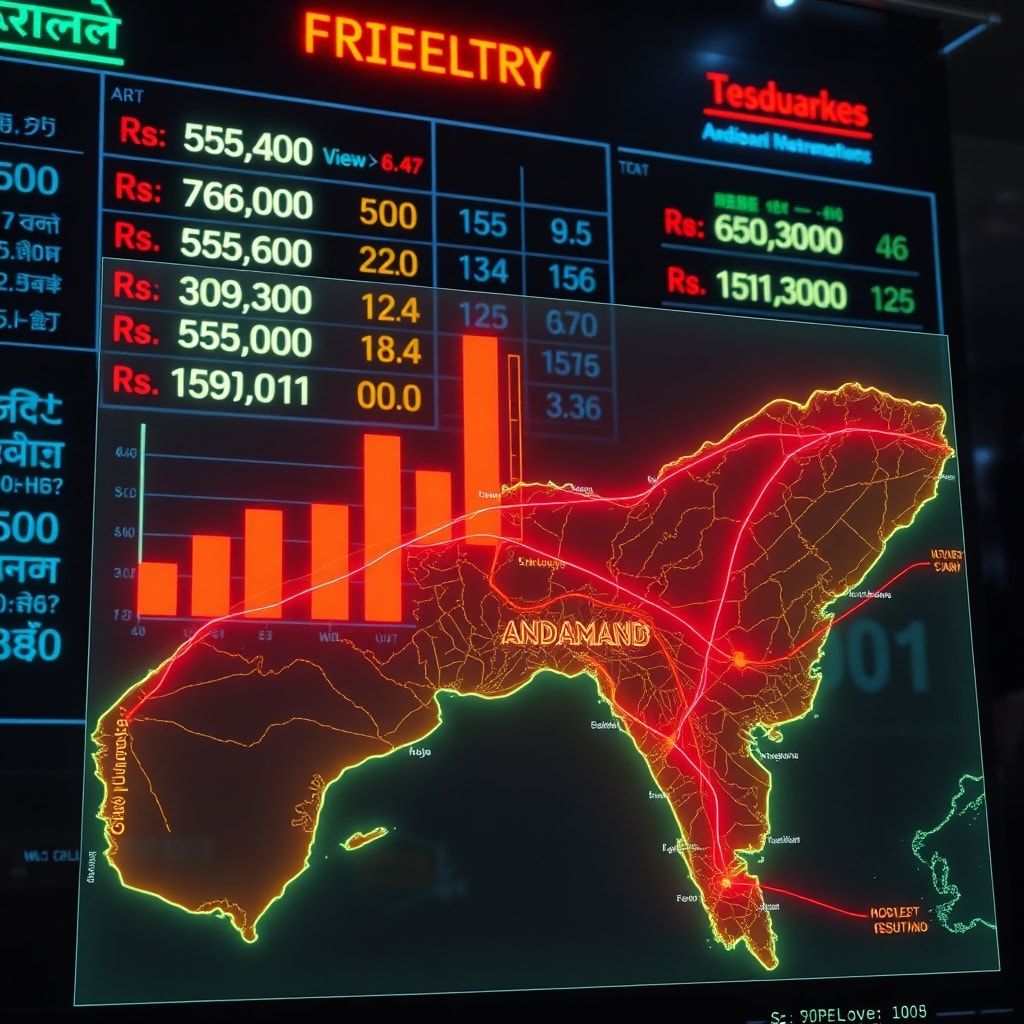
Let’s break down the arithmetic. Assuming a 20‑day itinerary, a traveler who opts for daily scooter rentals (Rs 400 × 20 = Rs 8,000) saves on larger vehicle hires but must still budget for airport transfers (average Rs 650 × 2 = Rs 1,300) and at least one full‑day private cab for a major excursion (Rs 1,500). That baseline totals Rs 10,800. Add a single long‑haul Diglipur trip (Rs 10,000) for a remote beach experience, and the transport subtotal climbs to Rs 20,800, already eclipsing half of a Rs 45,000 budget. If instead the traveler chooses a mix of jeep hires (Rs 1,500 × 2 = Rs 3,000) and occasional scooter days, the cost rises to roughly Rs 23,500. Factoring in ancillary expenses—fuel surcharges, driver tips (≈10% of fare), and insurance—pushes the total to the Rs 25,000‑30,000 range. This analysis reveals that transport alone can dominate the budget, leaving less room for accommodation, food, and activities. Understanding these mechanics is crucial for any backpacker aiming to keep the “India backpacking cost” within a realistic envelope. For a broader view on managing visas, transport, and survival on a month‑long trek, see our one‑month India budget survival guide.
Future Implications for Solo Travelers
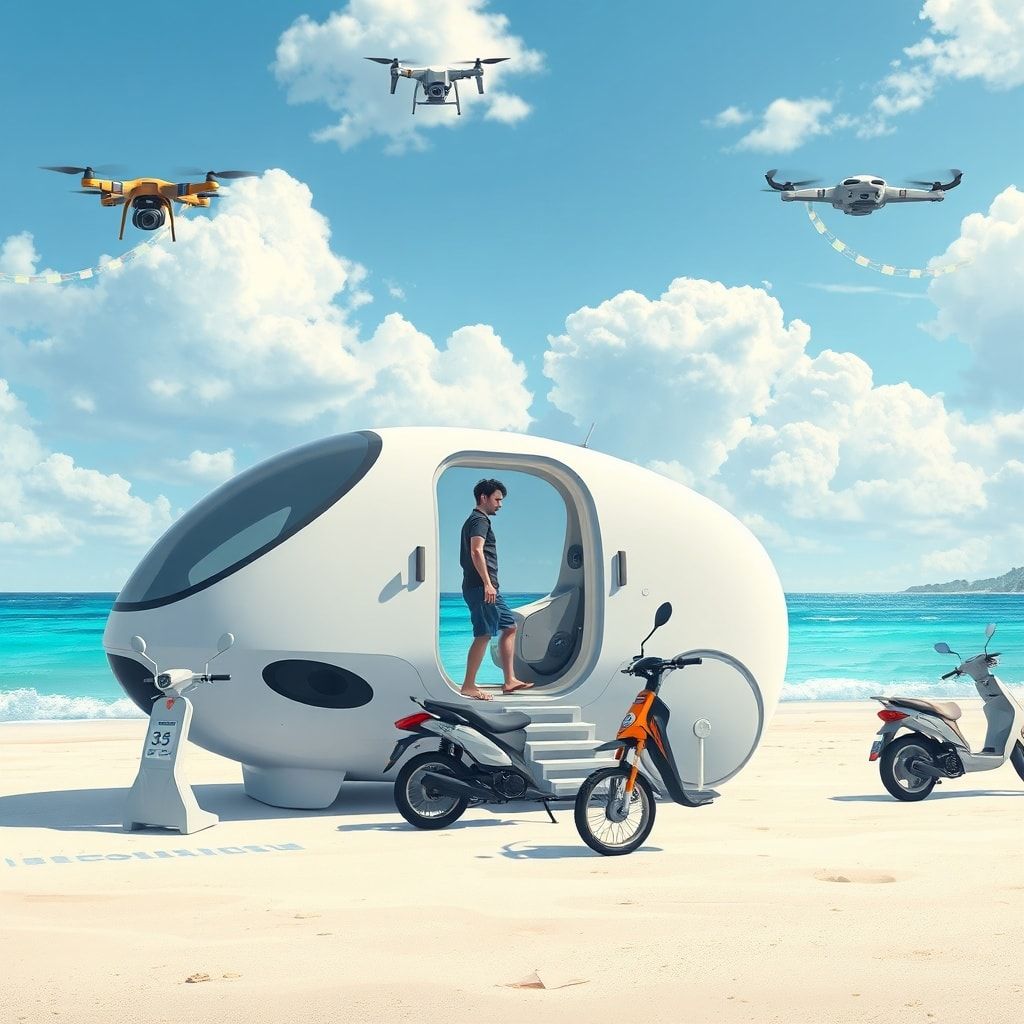
The trajectory of private transport pricing suggests a continued upward pressure, especially as tourism infrastructure modernizes. Emerging trends like electric scooter fleets and app‑based ride‑hailing could introduce competitive pricing, but only if regulatory frameworks encourage market entry. For solo backpackers, the key will be flexibility: leveraging off‑peak discounts, negotiating directly with drivers, and perhaps embracing multi‑modal travel—combining ferries, shared buses, and occasional private hires. The rise of peer‑to‑peer rental platforms may also democratize access to jeeps and vans, driving costs down through community‑driven pricing. However, the risk remains that premium services will become the norm, nudging the average India backpacking cost higher. Savvy travelers will need to monitor these shifts, adapt itineraries, and possibly allocate a contingency fund of at least 15% of the total budget to absorb unexpected spikes.
Remember, every rupee you save on transport is a rupee you can splurge on authentic experiences—like a sunrise yoga session on Havelock Island or a midnight street‑food crawl in Kolkata. In the grand saga of solo travel, the budget is your plot armor; treat it with respect, and the adventure will reward you with stories worth more than any price tag.
Related Guides & Further Reading
Check out the India backpacking cost archives.