Surviving the Pink City on Pennies: The Ultimate Jaipur Budget Guide for Backpackers
Verified News & Source Context
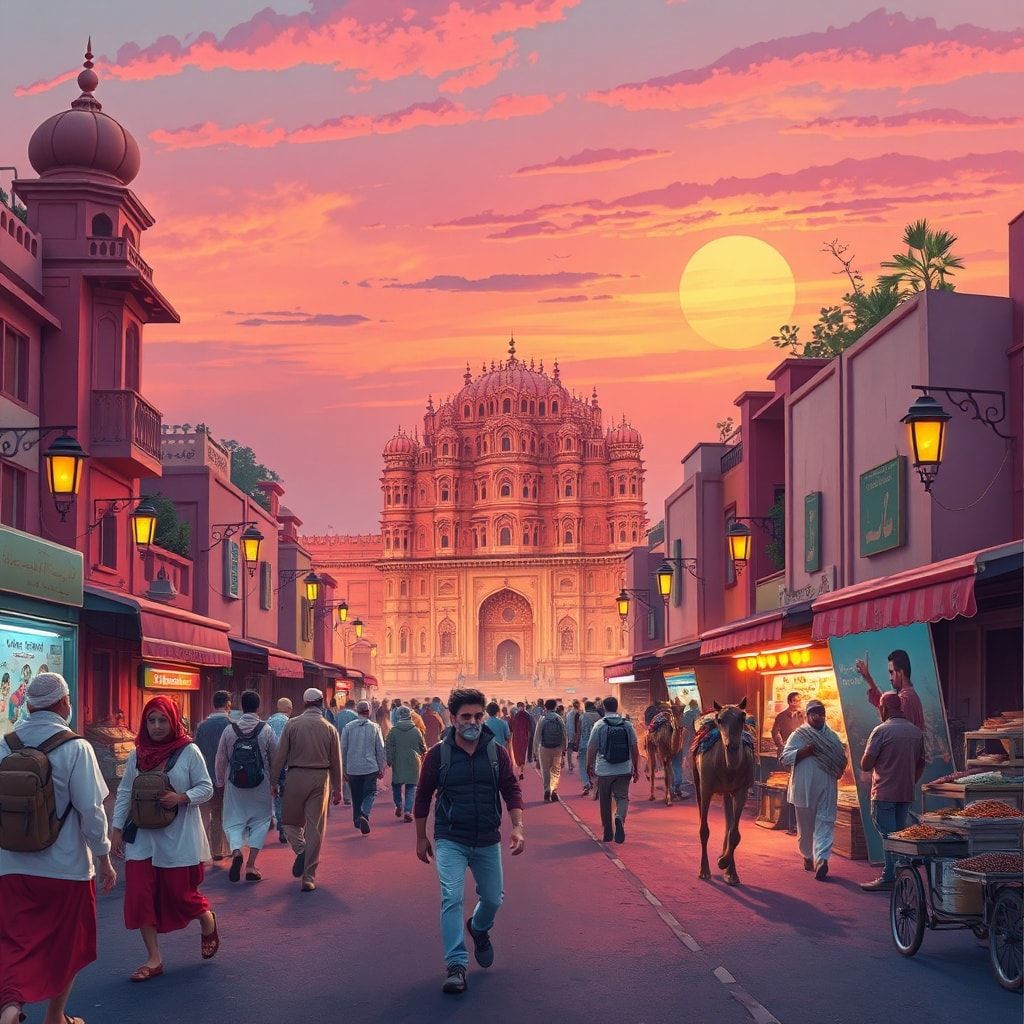
The Rajasthan tourism board has just released a line‑up of budget‑friendly tours that read like a cheat‑code for the cash‑strapped wanderer. If you’re mapping the whole circuit, start with our Golden Triangle cost hub to see how Jaipur stacks up against Delhi and Agra. For a broader view of budgeting across India, check out our comprehensive India month budget hub. During the Holi season, prices can jump sharply—a pattern we unpacked in our analysis of why the Golden Triangle cost explodes during Holi. The flagship Full‑Day City Tour, priced at a modest Rs 600, shuttles you from 9 am to 6 pm across the Pink City’s marquee sites: Amber Fort, City Palace, Jantar Mantar, and even the lesser‑known Gaitore cenotaphs. Crucially, the tariff excludes entry, camera, and jeep fees at Amber, meaning the base price is a shell you’ll flesh out with ancillary costs. The Pink City By Night Tour, at Rs 1,000, adds a vegetarian dinner and a twilight sweep of Raj Mandir, Amar Jawan Jyoti, and the illuminated forts, again leaving monument fees on the passenger’s tab. Day‑trips to Khatu Shyam Ji, Sambhar Lake, and the haunted ruins of Bhangarh each sit at Rs 700, offering a full‑day immersion without the overhead of a private guide. All these packages are listed on the official project page, which also details seasonal variations and booking windows. For a backpacker, the arithmetic is simple: lock in the bus fare, budget extra for entry tickets (typically Rs 30‑200 per monument), and you’ve got a full‑color Jaipur experience without the tourist‑trap premium.
Jaipur budget guide: Historical Context (Old Guard Perspective)
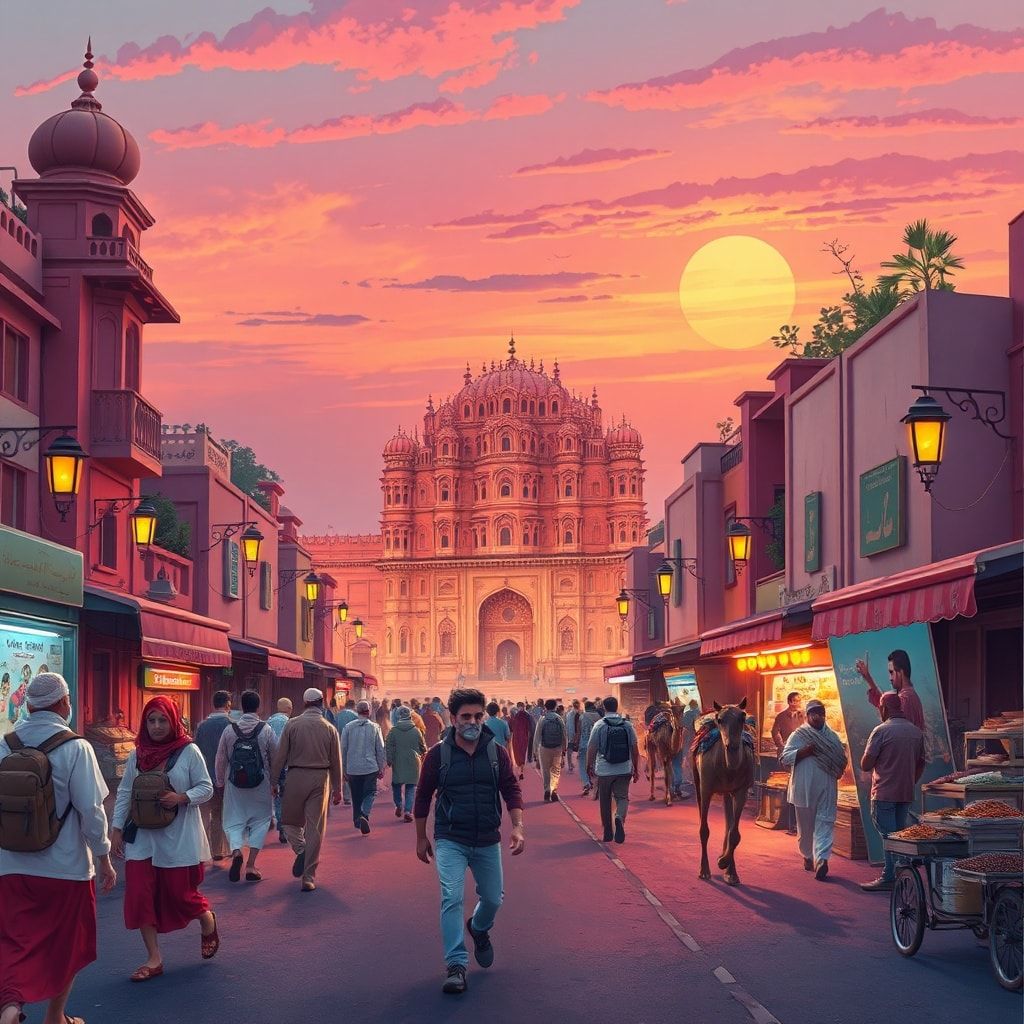
Back in the early 2000s, Jaipur’s backpacker circuit was a patchwork of private rickshaws, unregulated hostel flyers, and word‑of‑mouth itineraries that often left travelers overpaying for half‑day hops. The “old guard” of travel agencies operated on commission, inflating prices for heritage sites while skimping on safety standards. The modern budget guide, however, reflects a shift toward state‑sponsored, transparent pricing—an outcome of Rajasthan’s tourism liberalization after 2015. This mirrors the broader Indian travel market where government portals now curate low‑cost packages to compete with global OTA giants. Moreover, the inclusion of night‑tour dinner options signals a response to the rising demand for experiential gastronomy among millennials, a trend that was absent in the 2008 guidebooks. By standardizing fees (Rs 600 for day, Rs 1,000 for night) the board has created a benchmark that private operators must undercut or add value to, effectively democratizing access to heritage. The evolution also aligns with the rise of digital nomad visas, where budget‑conscious itineraries become a selling point for longer stays.
Technical Crunch: Information Gain
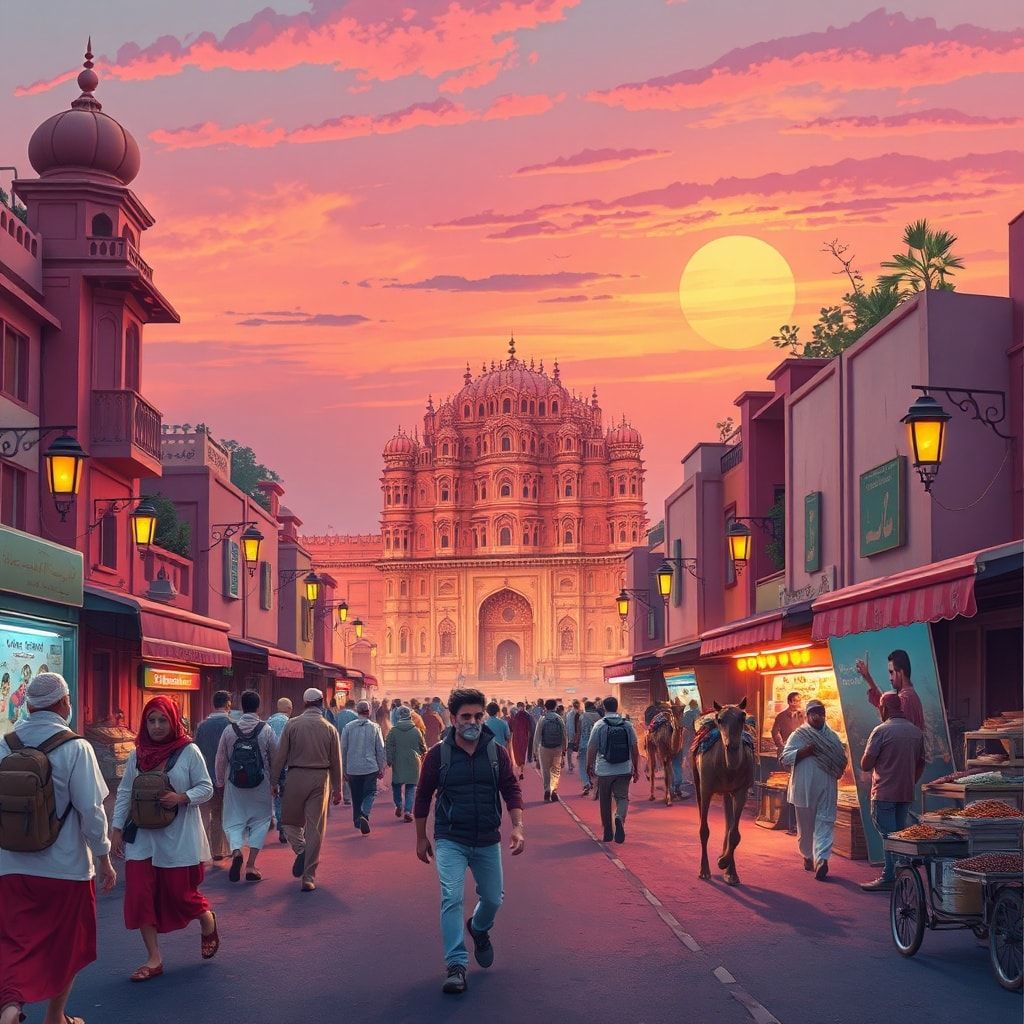
Let’s dissect the numbers. A Rs 600 day tour covers a 9‑hour AC bus, driver, and a guide—roughly Rs 66 per hour of transport. Add the average entry fee of Rs 150 for Amber Fort, Rs 30 for Jantar Mantar, and a Rs 50 camera surcharge, and the total per passenger climbs to ~Rs 886. The night tour’s Rs 1,000 fee includes a vegetarian dinner (≈Rs 150) and extended illumination viewing, pushing the per‑head cost to about Rs 1,300 after fees. Day‑trips at Rs 700 each add a similar layer: entry to Khatu Shyam Ji (Rs 30), Sambhar Lake (free), Bhangarh (Rs 25), plus a modest jeep surcharge at Amber if you opt for the fort’s upper terraces (≈Rs 200). From a budgeting perspective, the optimal strategy is to bundle the Full‑Day City Tour with one night‑tour and a single day‑trip, keeping the weekly spend under Rs 4,500 (≈$55). This is a fraction of the typical Rs 8,000‑10,000 backpacker package that includes private cabs and hotel transfers. The modular pricing also allows travelers to swap a night tour for an extra day‑trip if they prefer daylight photography over dinner, giving granular control over the itinerary’s cost‑to‑experience ratio. We previously highlighted how sudden price spikes during Holi can affect even modular itineraries in our Golden Triangle cost shock article. If you’re mapping out a longer Indian trek, our guide on how to stretch your backpacking budget across India provides useful benchmarks.
Future Implications
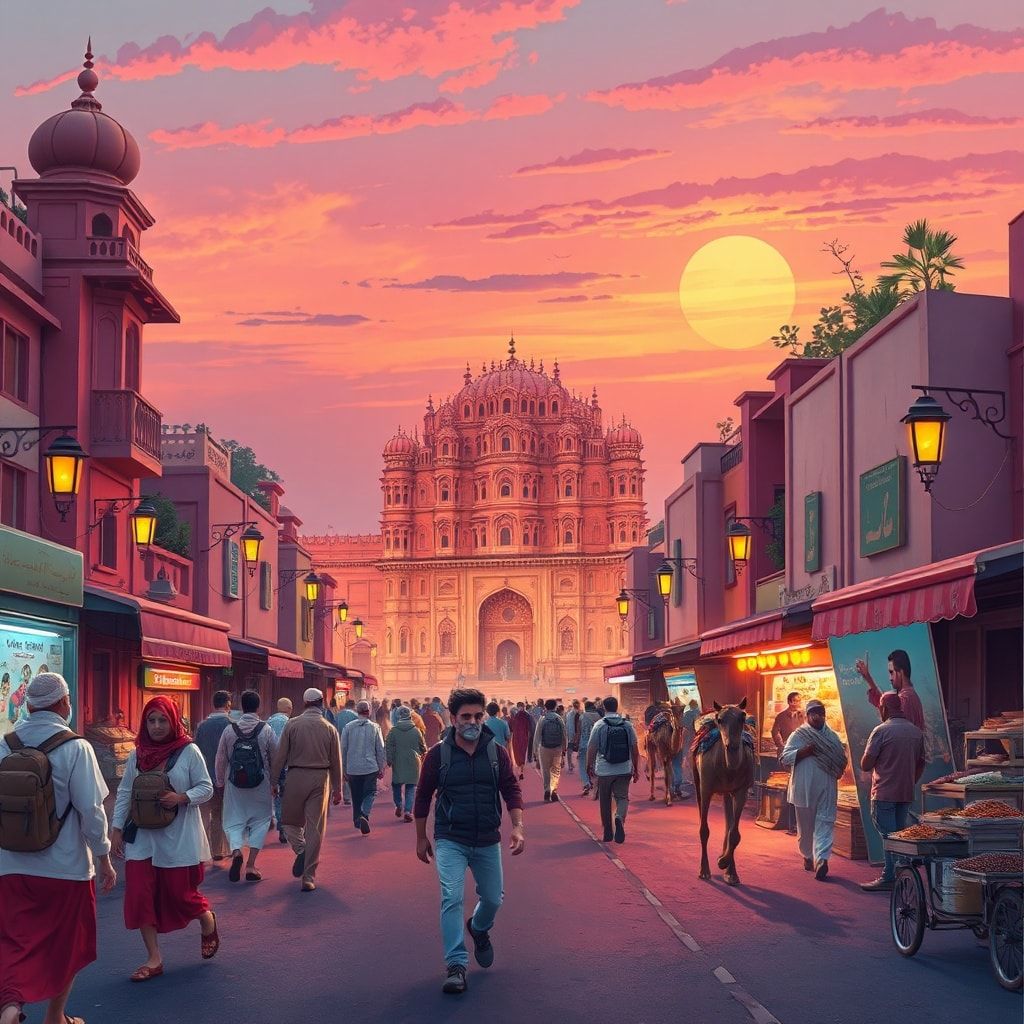
Looking ahead, the Rajasthan tourism board is poised to integrate digital ticketing and real‑time bus tracking, which could shave minutes off wait times and further lower operational costs. A potential partnership with ride‑share platforms might introduce a “last‑mile” micro‑bus that shuttles tourists from the main AC bus drop‑off to peripheral sites like Gaitore or the less‑touristy lanes of the old city, expanding the budget guide’s reach. Moreover, the growing appetite for sustainable travel could see the introduction of carbon‑offset fees baked into the Rs 600/1,000 tariffs, positioning Jaipur as a green‑friendly backpacker hub. If these initiatives materialize, the Jaipur budget guide will evolve from a static price list into a dynamic, data‑driven itinerary engine, attracting a new wave of eco‑conscious wanderers. For deeper insight into squeezing every rupee on a month‑long India trek, see our tips for squeezing every rupee on a month‑long India trek. Our earlier cost‑shock report on Holi pricing shows how hidden taxes and supplements can inflate the true value of Delhi‑Agra‑Jaipur tours.
Even veterans get caught off‑guard when the government rolls out a new “tourist tax” on heritage sites. The first time I paid an unexpected Rs 250 levy at Amber Fort, I learned the hard way that the cheapest bus isn’t always the cheapest experience. Keep an eye on the official portal, read the fine print, and never underestimate the power of a well‑timed local guide who can waive camera fees for a friendly smile. In the end, the real budget is the stories you collect, not the receipts you hoard.
Related Guides & Further Reading
Check out the Jaipur budget guide archives.
Check out the Jaipur budget guide archives.