Bangkok Budget Cost: How to Survive on 500 Baht a Day Without Dying (or Going Broke)
Ever wondered if you can actually stretch a single Thai baht to cover a whole day of chaos, street food, and temple hopping? The Bangkok budget cost is the holy grail for any nomad who refuses to sell a kidney for a hostel bed. Strap in, because we’re about to dissect every penny‑sucking detail that could make or break your 2024 backpacking saga.
Decoding the Bangkok Budget Cost: Official Numbers and What They Really Mean
The Ministry of Transport’s latest fare tables read like a cryptic code for the budget‑savvy traveler. BTS Skytrain tickets start at a modest 16 baht for a single stop and climb to 59 baht for the longest rides, calculated by the exact distance covered. Meanwhile, the MRT Metro follows a similar tiered system, ranging from 17 baht to 42 baht depending on zones crossed. These numbers matter because they dictate how many hops you can afford before your wallet screams for mercy.
On the river, the Chao Phraya Express Boat simplifies things with flat rates: orange‑flag tourist boats charge a uniform 16 baht for the entire line, yellow‑flag boats sit at 21 baht, and the red‑flag express runs cost 30 baht. The orange‑flag operates daily from 09:00 – 18:00, making it a reliable, budget‑friendly artery for sightseeing and hopping between riverside markets.
Taxi fares start at 35 baht, but don’t be fooled—if you’re landing at Suvarnabhumi or Don Mueang, a 50 baht airport surcharge is slapped on automatically, inflating the base cost to 85 baht before the meter even ticks. Public buses, the unsung heroes of cheap travel, charge a flat 9.50 baht for any route, running from 05:00 – 23:00 on cream‑red lines and all night on the special night‑bus fleet.
These figures aren’t just numbers; they’re the scaffolding of a daily budget that can either keep you afloat or sink you faster than a monsoon tide. Understanding the tiered pricing helps you plan optimal routes—mixing BTS for speed, MRT for mid‑range hops, and the river boat for scenic, cheap transfers. For a deeper dive into the official data, see the official project page.
From the 90s to Now: How Backpacker Budgets Evolved in Bangkok
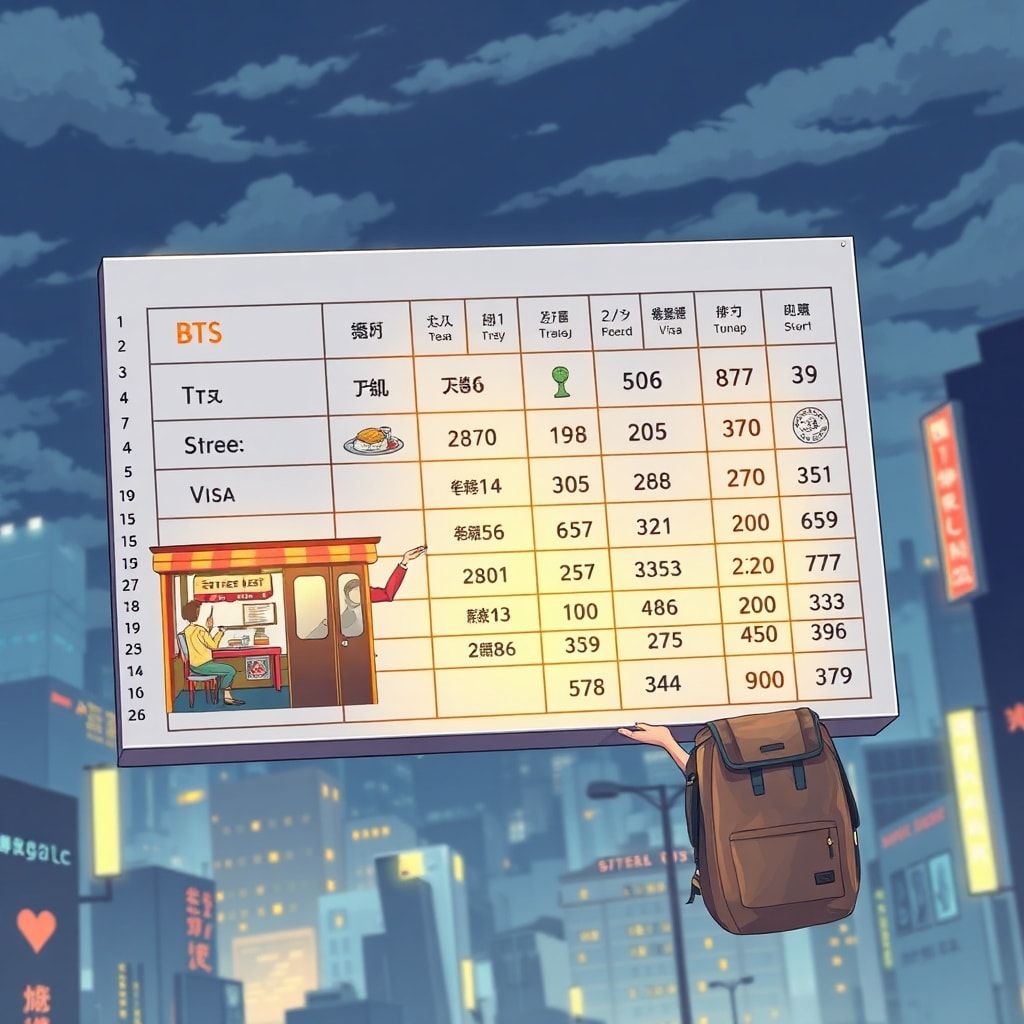
Back in the late 1990s, a 500‑baht daily budget could comfortably cover a hostel, two street‑food meals, and unlimited BTS rides because the Skytrain didn’t even exist yet. The first BTS line opened in 1999 with fares hovering around 10 baht per trip, and the MRT followed a decade later with similarly low entry points. Fast forward to 2024, and the same 500 baht must now juggle higher transport fees, a 60‑baht visa extension for many nationalities, and a modest rise in street‑food prices due to inflation and tourism demand.
Studio trends in travel media have mirrored this shift. Early guidebooks like “Backpackers’ Bangkok” (2002) painted the city as a cheap haven, focusing on free temples and cheap tuk‑tuks. Modern YouTubers, however, now produce content that emphasizes “budget hacks”—like using the orange‑flag boat for a full‑river ride at 16 baht or buying a stored‑value card for BTS/MRT to shave off a few baht per trip. The evolution reflects a broader market shift: travelers are more informed, but also more price‑sensitive, demanding transparency from transport authorities.
Visa policies have also tightened. In 2010, many nationalities enjoyed a 30‑day visa‑free stay; today, extensions often require a 1,900 baht fee for a 30‑day renewal, nudging the average backpacker’s budget upward. This regulatory change forces travelers to allocate a larger slice of their daily allowance to paperwork rather than experiences, reshaping the classic “eat, pray, love” mantra into “eat, pray, budget‑track.”
Crunching the Numbers: Transport, Food, and Visa Mechanics for the Frugal Nomad

Let’s build a realistic 2024 daily budget using the official fare data. Assume a typical day includes two BTS trips (average 30 baht each), one MRT ride (25 baht), a river boat ride on the orange‑flag line (16 baht), and a short taxi ride from the hostel to the market (35 baht base + 10 baht extra for traffic). Transport total: 30 + 30 + 25 + 16 + 45 = 146 baht.
Food in Bangkok remains a sweet spot for budget travelers. A bowl of boat noodles costs ~35 baht, a mango sticky rice dessert ~45 baht, and a fresh fruit shake ~30 baht. Three meals add up to roughly 110 baht. Add a 20 baht buffer for snacks or a cold beverage, and you’re at 130 baht for sustenance.
Accommodation for a dormitory bed in a central hostel averages 250 baht per night. If you’re staying longer, a weekly discount can shave 20 baht per night, but let’s keep the conservative 250 baht figure.
Visa costs are a fixed overhead. For many nationalities, a 30‑day extension costs 1,900 baht, which breaks down to about 63 baht per day if you spread it over a month. Adding this to the daily tally yields a total of 146 + 130 + 250 + 63 = 589 baht.
That’s the raw “Bangkok budget cost” for a modest yet comfortable day. To stay under 600 baht, you’ll need to trim either transport (perhaps walking more) or food (opting for cheaper stalls). The math matters because it reveals where you can flex—like swapping a taxi for a public bus (saving ~30 baht) or cooking a simple noodle bowl in the hostel kitchen (cutting ~20 baht). Understanding these levers lets you tailor your adventure without sacrificing the core experience.
Future‑Proofing Your Wallet: What the 2024 Bangkok Budget Cost Means for Travelers
The next five years could reshape the Bangkok budget cost dramatically. The Ministry of Transport has hinted at a fare restructuring for the BTS and MRT to introduce a distance‑based dynamic pricing model, potentially raising long‑distance trips by up to 15 %. Simultaneously, the rise of contactless payment apps promises discounts for stored‑value cards, meaning early adopters could offset some of the hikes.
On the visa front, Thailand is piloting an e‑visa extension system that could reduce processing fees by 20 % for digital applicants, but the baseline fee may still hover around 1,800 baht. If the government expands the visa‑free window for certain countries, the daily visa amortization could drop to under 40 baht, easing the overall budget pressure.
Transport innovation isn’t limited to pricing. The upcoming extension of the MRT Orange Line will connect previously underserved suburbs, offering cheaper alternatives to the BTS for commuters living farther out. For backpackers, this could mean a shift in accommodation strategy—opting for cheaper hostels in the outskirts and commuting via the new line, balancing lower rent against higher transport costs.
Listen up, fresh‑blood wanderers: the “Bangkok budget cost” isn’t a static number you can set and forget. It’s a living organism that feeds on policy, tourism trends, and your own willingness to haggle. If you cling to the old‑school mindset of “just buy a one‑day pass and call it a day,” you’ll be left holding a wallet lighter than a feather after the next fare revision. Adaptability is the name of the game—track real‑time fare updates, download the latest e‑visa app, and never underestimate the power of a well‑timed night‑bus ride.
My two‑decade‑long trek through Bangkok’s back alleys has taught me that the smartest budgeters are part‑time economists and part‑time magicians. They can turn a 500‑baht day into a feast by leveraging student discounts, swapping a taxi for a river ferry at sunset, and mastering the art of “free” temple entry. Keep your eyes on the horizon, your wallet tight, and remember: the city will always find a way to charge you—unless you’re clever enough to make it work for you.
Check out the bangkok-budget archives.