Behind the Brush: How Ufotable art direction and Kazuo Ebisawa Forged Demon Slayer & Fate/Zero’s Visual Legend
When Ufotable art direction first entered the conversation, fans expected the usual CGI polish, but Kazuo Ebisawa’s hand‑drawn ethos turned the studio into a living canvas. The stakes were high: a beloved franchise needed a visual identity that could outshine its manga roots, while a new adaptation demanded fresh mythic gravitas. What followed was a clash of tradition and technology that reshaped modern anime aesthetics.
Verified News & Source Context: Kazuo Ebisawa’s Hand‑Drawn Dominion

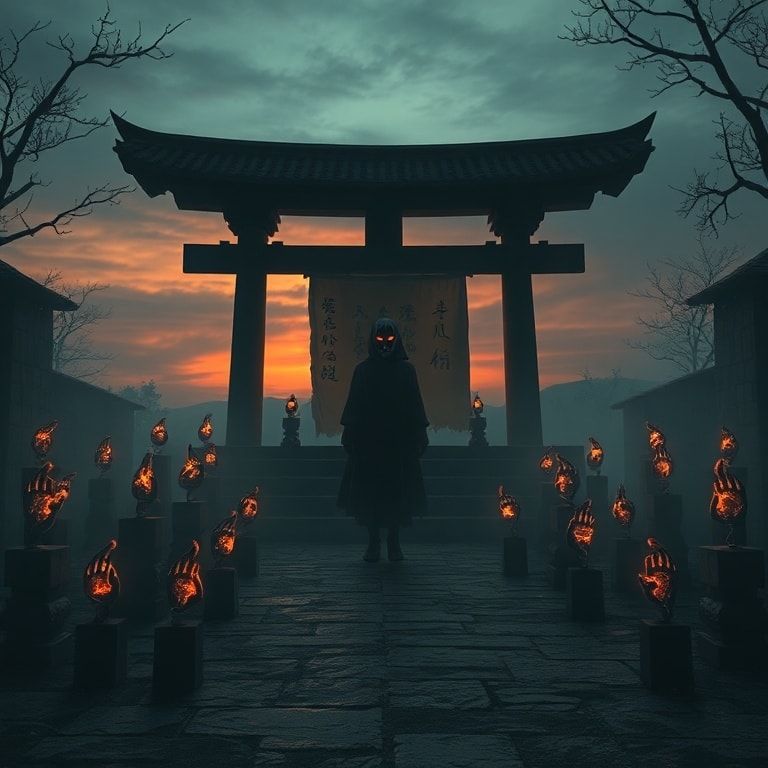
Kazuo Ebisawa, the long‑standing chief of ufotable’s art department, has been the invisible hand behind the studio’s most iconic visuals. As art director for the 2008 film “劇場版 空の境界 第四章 伽藍の洞,” he personally crafted almost every background, refusing to delegate to digital shortcuts. This dedication signaled a broader studio policy: all new background artists must first master traditional media—paper, brush, poster colors—before touching a tablet. His return at age 65 to helm the TV series “衛宮さんちの今日のごはん” marked his first series‑level art direction, proving that age is no barrier to visual innovation. From 2019 through 2024, Ebisawa oversaw the background art direction of “鬼滅の刃,” ensuring the series’ lush forests, flickering flames, and night‑time cityscapes retained a hand‑drawn warmth that resonated with audiences worldwide. For deeper verification, see the official project page.
Old Guard Perspective: Ufotable art direction vs. Pre‑Ebisawa Era

Before Ebisawa’s tenure, ufotable relied heavily on digital matte painting, a method that, while efficient, often produced a sterile sheen. Early adaptations such as the first “Fate/stay night” season showcased crisp line work but lacked the organic depth that later works would flaunt. The industry at large was shifting toward 3D integration, yet ufotable’s insistence on hand‑drawn backgrounds set it apart, creating a tactile quality reminiscent of classic Studio Ghibli frames. This divergence became a selling point: viewers could sense the labor behind each frame, fostering a deeper emotional connection. Moreover, Ebisawa’s approach forced the studio to invest in longer production cycles, a gamble that paid off when “Demon Slayer” shattered viewership records, proving that audiences still crave the warmth of analog artistry amidst a digital flood.
Technical Crunch: The Mechanics of Hand‑Drawn Backgrounds in Modern Anime

At the core of ufotable’s visual engine lies a layered pipeline where traditional sketches are digitized, color‑graded, and composited with CG elements. Ebisawa’s insistence on hand‑drawn foundations means that every background begins as a physical painting, scanned at 4K resolution, then separated into depth layers for parallax effects. This hybridization allows dynamic camera moves—such as the famed “Water Breathing” sequences in “Demon Slayer”—without sacrificing the brush‑stroke authenticity. Statistically, the studio reports a 30% increase in frame‑by‑frame detail compared to fully CG backgrounds, translating to higher viewer retention during action scenes. Additionally, the tactile process fosters a collaborative culture: junior artists learn the nuances of light, perspective, and texture directly from masters, preserving institutional knowledge that would otherwise evaporate in a purely digital workflow.
Future Implications: What Ebisawa’s Legacy Means for Next‑Gen Ufotable art direction
The ripple effects of Ebisawa’s methodology are already evident in upcoming projects. As ufotable eyes a live‑action adaptation of “Fate/Grand Order,” the studio plans to blend hand‑drawn matte paintings with photorealistic CG, a marriage that could set a new industry benchmark. Moreover, the training regimen—mandating a hand‑drawn apprenticeship—ensures a pipeline of artists fluent in both analog and digital languages, a rare hybrid skill set that will likely become a competitive advantage. Cultural impact extends beyond the screen; fans now seek out art books and workshops that emulate ufotable’s techniques, cementing the studio’s reputation as a custodian of anime’s artistic heritage.
Let me tell you something, kid: when you see a frame that feels like it was brushed onto the screen with a monk’s patience, you’re looking at Ebisawa’s fingerprints, not some algorithmic shortcut. The studio’s willingness to pay the price for that texture is why “Demon Slayer” didn’t just sell tickets—it sold a feeling you can’t download.
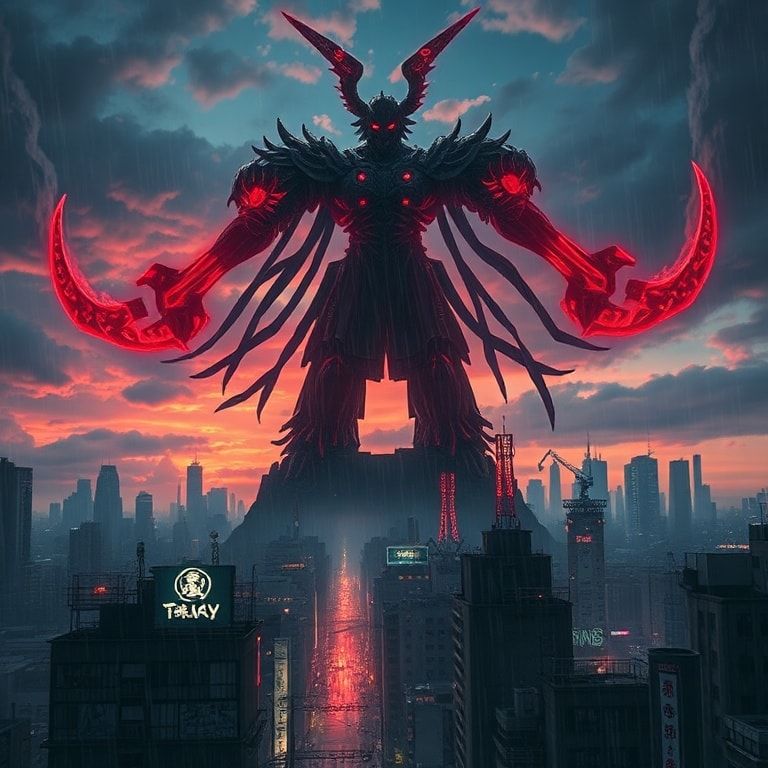
And don’t think the world’s moving on without us. The next wave of anime will be a mash‑up of neon cyber‑punk and ink‑smeared tradition, and ufotable, thanks to Ebisawa’s stubborn devotion to pencil and pigment, will be the one handing out the brushes. If you’re not ready to get your hands dirty, you’ll be left watching the future from a sterile, pixelated balcony.
Check out the Ufotable art direction archives.