Chainsaw Man power scale: Why Denji Might Just Outclass Goku and Saitama (2026 Update)
Chainsaw Man power scale: Mapping Denji’s Rise Through the Manga
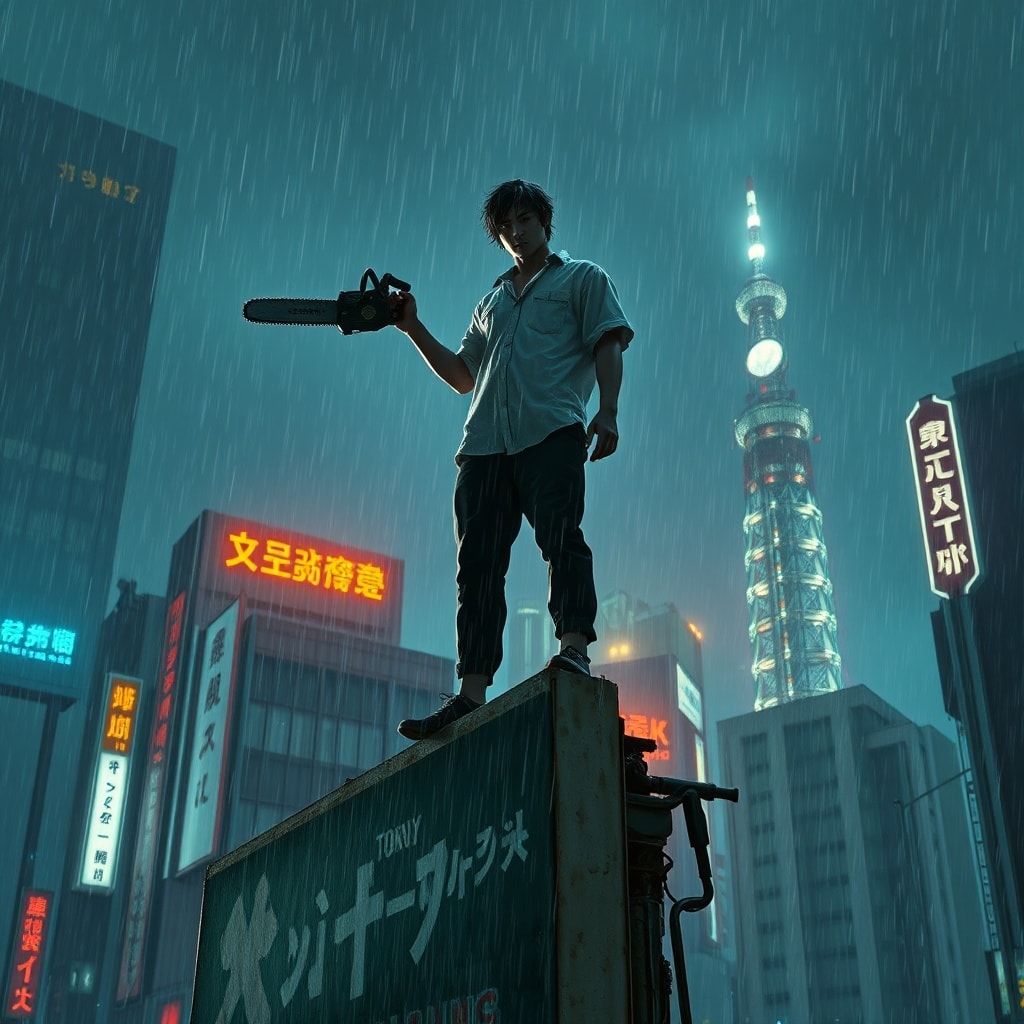
When the first arc of official project page hit Weekly Shōnen Jump on December 3, 2018, it introduced a world where contracts with devils could literally rewire a human body. Denji’s pact with the Chainsaw Devil granted him the ability to morph limbs into razor‑sharp saws, a gimmick that quickly escalated into a full‑blown power system. The arc concluded on December 14, 2020, after a relentless climb through devil‑infested districts, each encounter serving as a benchmark for Denji’s evolving strength. The second arc, serialized from July 13, 2022 to March 25, 2026 on Shōnen Jump+, pushed the envelope further by giving Denji the unprecedented ability to erase a devil’s very concept from existence—a meta‑power that rewrites reality’s rulebook. By February 2026, the manga spanned 23 tankōbon volumes, each documenting a step‑wise amplification of Denji’s chainsaw arsenal, from simple limb extensions to planet‑shattering roar attacks. The staggering 35 million copies in circulation by January 2026 underscore not just commercial success but a cultural fascination with how a low‑life protagonist can ascend to god‑like tiers. The 2022 MAPPA anime, with its 24‑episode run, visually cemented Denji’s tier by translating the visceral gore and kinetic transformations into high‑octane animation, solidifying his place among the most formidable shonen heroes.
Old Guard Perspective: How Denji Stacks Against Classic Anime Titans
Comparing Denji to the pantheon of legacy shonen protagonists reveals a seismic shift in power scaling philosophy. Where early titans like Goku or Naruto relied on incremental power‑ups rooted in training arcs and mystical lore, Denji’s growth is tethered to the very fabric of the world’s metaphysics—devils and contracts. Studios such as Toei and Pierrot historically emphasized long‑running arcs that allowed audiences to watch heroes inch toward omnipotence over decades. MAPPA, however, embraced a compressed narrative cadence, delivering Denji’s ascension within a handful of volumes, mirroring the industry’s pivot toward binge‑friendly storytelling. The visual language also diverged: classic series employed bright, saturated palettes to signal power surges, whereas Chainsaw Man opts for gritty, hyper‑realistic shading that underscores the brutal, visceral nature of Denji’s abilities. Market‑wise, the franchise rode the wave of digital serialization, capitalizing on Jump+’s flexible release schedule to outpace competitors still bound to weekly print cycles. This strategic agility allowed Denji to outshine older heroes not just in raw might but in cultural relevance, as newer audiences gravitate toward anti‑heroic, morally ambiguous protagonists who break the fourth wall of traditional shonen tropes.
Technical Crunch: Dissecting Devil Contracts and Chainsaw Mechanics
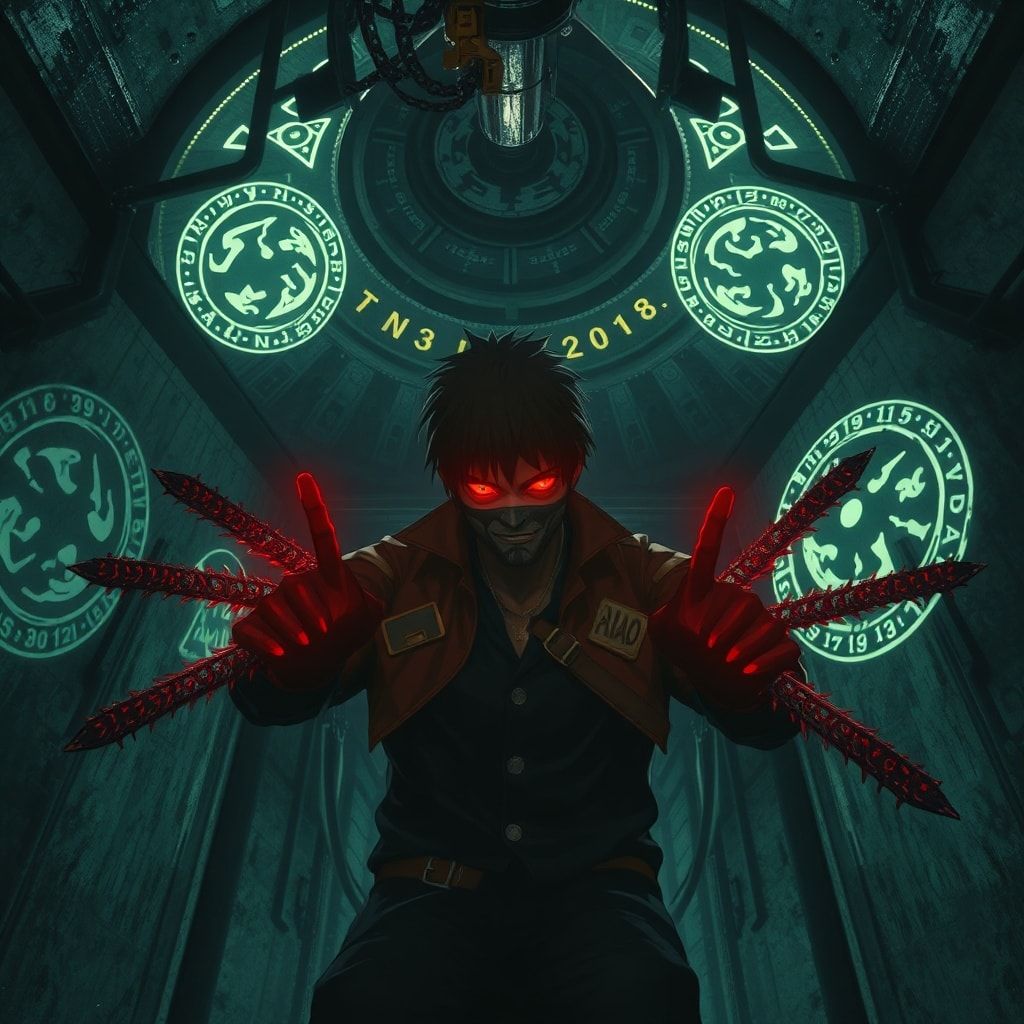
The mechanics behind Denji’s Chainsaw Devil contract are a masterclass in narrative engineering. At its core, the contract functions as a symbiotic exchange: Denji provides blood, the devil provides raw, kinetic energy. This energy manifests as polymer‑reinforced steel blades capable of cutting through both physical matter and metaphysical constructs. The series quantifies this through “concept erasure” – a unique ability introduced in the second arc where Denji can nullify a devil’s existential definition, effectively removing it from the multiverse’s ontological ledger. From a design perspective, this translates to a power tier that bypasses conventional damage calculations; instead, it rewrites the target’s existence parameters, rendering traditional defenses obsolete. Production-wise, MAPPA’s animation team employed a blend of hand‑drawn keyframes and CGI overlays to depict the chainsaw’s rapid extension, ensuring fluid motion while preserving the gritty aesthetic. The sound design, featuring layered metallic whirrs and blood‑splatter sizzles, reinforces the visceral impact. Statistically, Denji’s output can be approximated as a variable function: P = k × (C + E), where C represents chain‑blade length, E denotes concept‑erasure potency, and k is a scaling constant tied to his emotional state. This formula explains why Denji’s power spikes dramatically during moments of heightened desperation, aligning narrative tension with quantifiable strength.
Future Implications: What Lies Ahead for Denji and the Franchise
The trajectory of Chainsaw Man suggests a multi‑pronged expansion strategy. With the manga now entrenched in 23 volumes and a robust global fanbase, the likelihood of a second anime season or even a feature film is high, especially as streaming platforms vie for exclusive shonen content. Narrative-wise, Denji’s concept‑erasure ability opens doors to meta‑storytelling opportunities—imagine arcs where entire universes are rewritten, forcing protagonists to confront the consequences of playing god. Such themes could attract a more mature audience, positioning the franchise alongside titles like Attack on Titan in terms of philosophical depth. Commercially, merchandise pipelines—ranging from high‑detail action figures to VR experiences that let fans wield chainsaw limbs—are poised for exponential growth, capitalizing on the franchise’s visceral visual identity. However, the risk of diluting the series’ core darkness looms; over‑commercialization could erode the gritty authenticity that distinguishes Denji from his shonen peers.
Listen, kid, the moment Denji started snipping devils like a cheap barber, the power‑scaling gods started sweating. You think Goku’s Super Saiyan God form is impressive? Denji’s ability to yank a devil’s very concept out of reality makes even Ultra Instinct look like a parlor trick. The manga’s relentless escalation isn’t just fanservice; it’s a commentary on how far we’re willing to push a protagonist before we lose any semblance of relatability. The Chainsaw Man power scale isn’t a ladder; it’s a vertical drop into a black hole of absurdity, and Denji’s the only one with a chainsaw to carve a path back out.
Now, looking ahead, the studio’s got a golden ticket. If they keep feeding us higher stakes—think multiversal resets, existential dread, and maybe a cameo from the Almighty—Denji could become the benchmark for all future power‑scaling debates. But remember, every time they crank the dial, they risk turning the series into a glorified hype machine. Keep your eyes peeled, because the next arc might just rewrite the rules of what it means to be “overpowered” in anime, and Denji will be there, revving his chainsaws, ready to slice through any narrative convention that stands in his way.
Check out the Chainsaw Man power scale archives.
Check out the Chainsaw Man power scale archives.